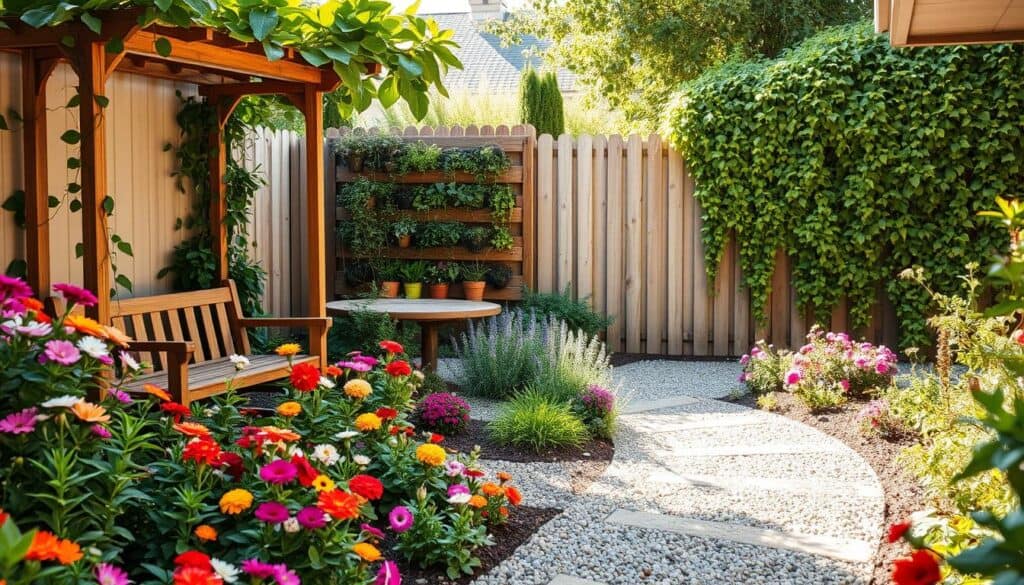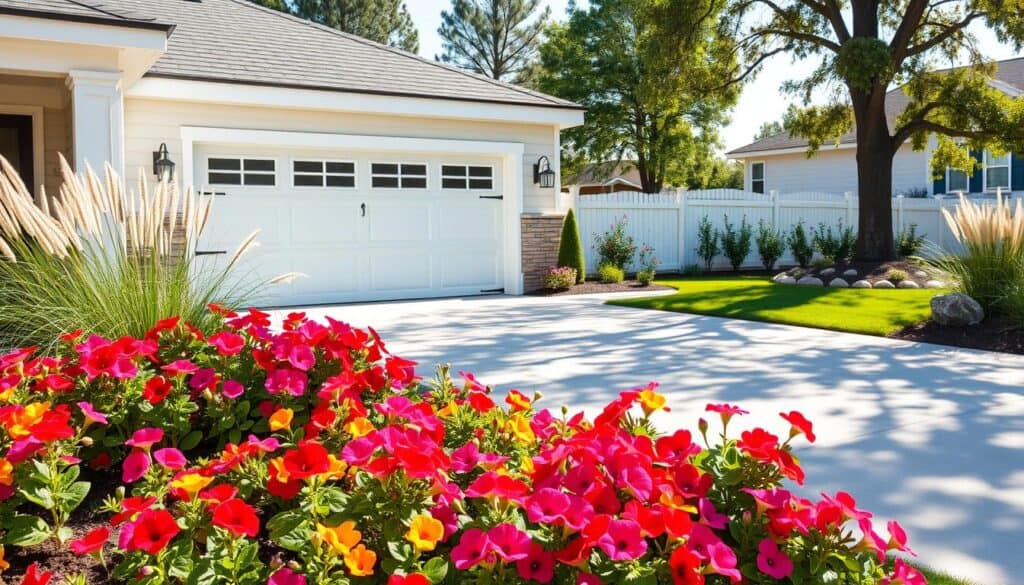
Why keep fresh food hidden in the back, especially when many homeowners have to backyard to speak of. Many homeowners now choose front yard gardening. It makes their home look better and gives them fresh food. This change turns old, water-drinking lawns into lively, green spaces. The use of raised beds, which I use can tranform your front yard into something magical. Different sized raise beds, heights, building materials, etc, just use your imagination..
Creating a front yard vegetable garden is easy. It brings healthy food right to your kitchen. These gardens are not only beautiful but also feed your family all season long.
Let’s dive into front yard vegetable garden ideas that are as beautiful as they are practical. This guide will show you how to make your yard a productive, beautiful spot. Your neighbors will be jealous, and your family will love it.
Visit The Marketplace or grab your Free Garden Starter Kit
Planning Your Edible Landscape for Maximum Curb Appeal
Starting a front yard gardening project requires planning before planting. To keep your front yard curb appeal high, treat it like a professional landscape. A well-thought-out plan ensures your garden stays beautiful all year.
Switching from an aesthetic backyard to front yard design can be tough. Focus on vegetable garden landscaping that looks intentional, not messy. Use structure and symmetry to create a sophisticated look. This is where your paper, pencils and measuring tape comes in handy. Planting vegetables in your front yard, can not only look very appealing but also give your garden a beautiful mix of colors..
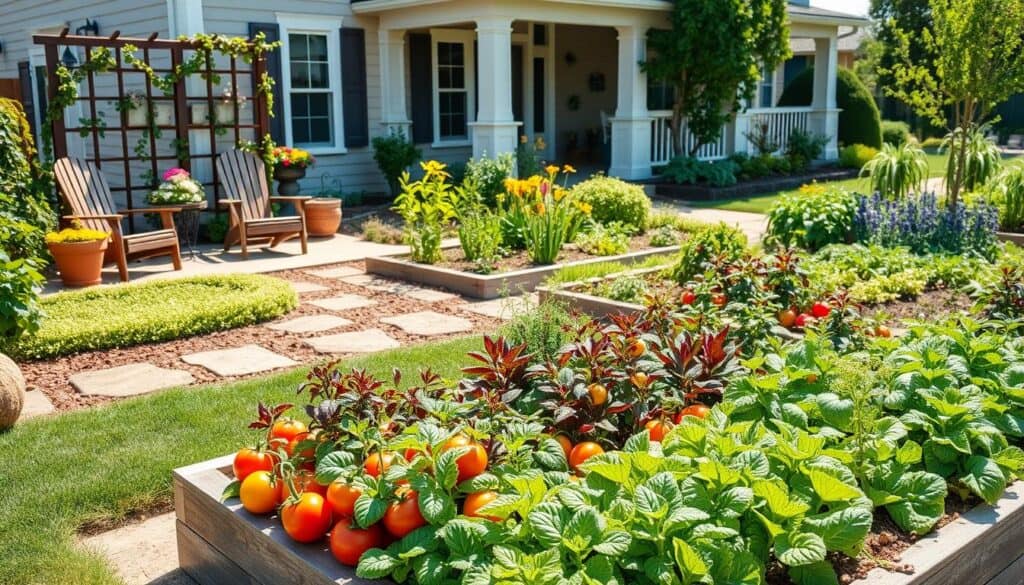
To make your edible landscaping layout work, follow these steps:
- Analyze sunlight exposure: Most vegetables need six to eight hours of direct sun daily.
- Test your soil quality: Good soil is key for healthy, productive plants.
- Map your irrigation: Make sure water is easy to reach to keep plants hydrated.
- Define your borders: Use stone or wood edging to keep your garden tidy.
Edible landscaping means seeing food plants as part of your front yard garden design. This way, they become decorative features that improve your home’s look.
Start small with your yard transformation ideas. Focus on areas near your entry or sidewalk for the biggest impact. With a good plan, your garden will boost your home’s value and your neighborhood’s pride.
Front Yard Vegetable Garden Ideas That Are as Beautiful as They Are Practical
Creating a front yard vegetable garden that’s both beautiful and practical is a fun challenge. You can see vegetables as more than just food. They can be part of your garden’s design.
Vegetable garden landscaping uses color, texture, and height to catch the eye. Mix deep purple kale with bright green lettuce for a stunning look. Tall structures like trellises for climbing beans add a vertical element.
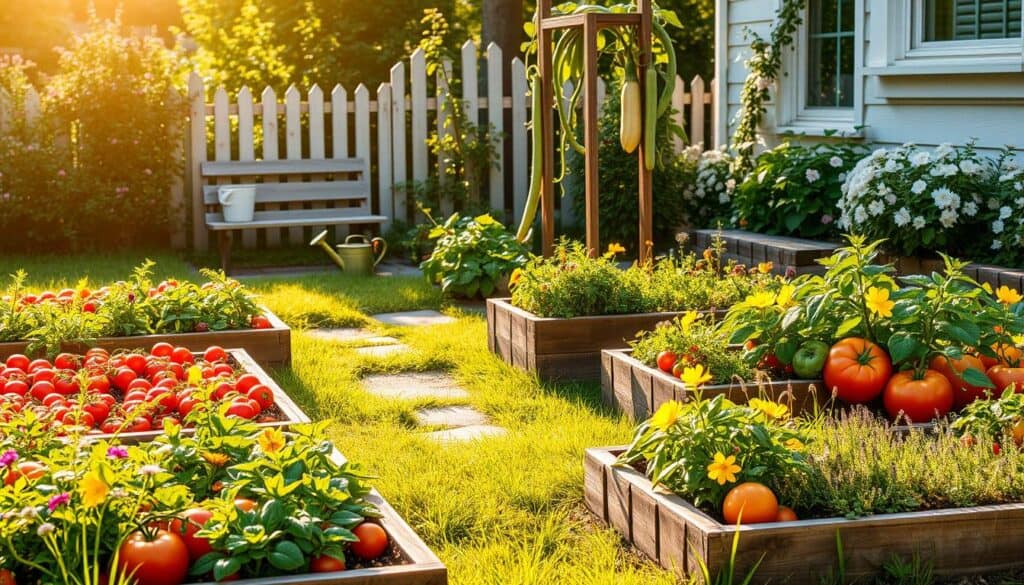
Creative front yard garden designs move away from the usual row-planting style. Use curved beds or geometric patterns for a sophisticated look. A beautiful vegetable garden can look like a formal flower bed, with borders to keep things neat.
When you focus on the aesthetics of edible gardens, your front yard becomes a source of pride all year. Add flowers like marigolds or nasturtiums for color and to keep pests away. This makes your garden both beautiful and useful.
A modern vegetable garden shows you can have style without giving up on being green. Choose plants with interesting shapes and colors. This way, your garden is both functional and welcoming.
Selecting the Best Vegetables and Herbs for Front Yard Displays
Choosing the right vegetables for your front yard is key. You want them to look good and taste great. Colorful vegetable varieties make your yard pop with color all season long. Plants like Swiss chard, curly kale, and glossy peppers add texture and color, just like ornamental shrubs.
Mixing flowers and vegetables is the secret to a beautiful yard. By using interplanting techniques, you can turn a regular garden bed into a productive space. Edible flowers like nasturtiums or pansies add color and fill in gaps between bigger plants.
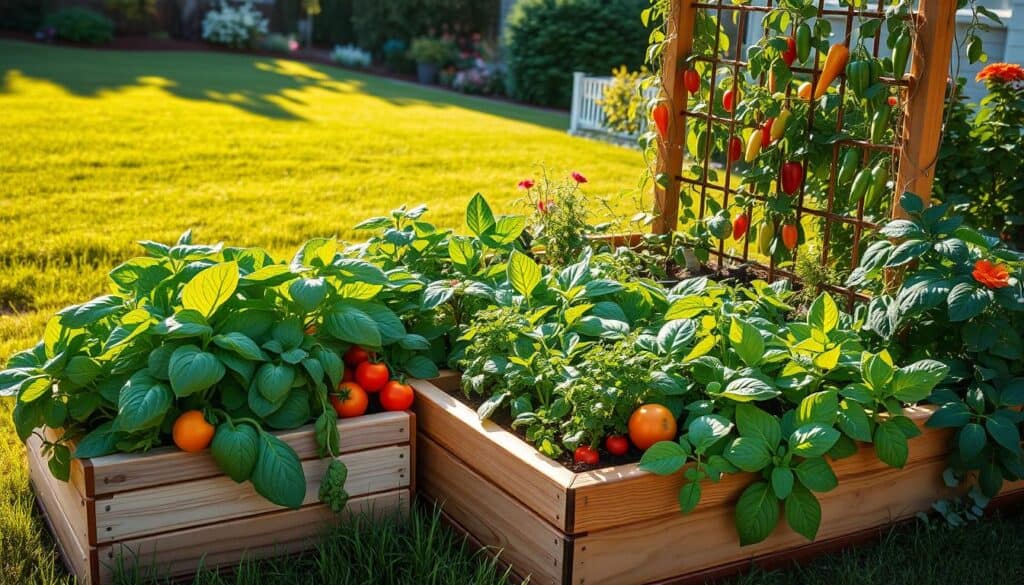
A well-planned herb garden is both pretty and practical. Herbs like rosemary, thyme, and purple basil are great for front yards. They’re hardy and look good, making your garden beautiful and providing fresh herbs right by your door.
To keep your garden healthy without chemicals, use this simple guide. Companion planting helps protect your plants naturally.
- Basil and Tomatoes: Together, they taste better and keep pests away.
- Marigolds and Peppers: These flowers keep nematodes and other pests out of your soil.
- Nasturtiums and Kale: They lure aphids away from your greens, keeping them healthy.
- Rosemary and Cabbage: Rosemary’s scent hides the smell of brassicas from moths.
By picking the right plants, you make your yard both stunning and productive. This way, your front yard is a source of pride and fresh food for your table.
Structural Elements That Enhance Garden Functionality
Turning your front yard into a garden takes more than just seeds and soil. Adding structural elements makes your garden look planned, not random. These diy vegetable garden projects help keep your garden neat and professional.
A well-thought-out raised garden bed layout changes how you see your plants. Modern geometric garden beds add clean lines that match your home. This makes your raised bed kitchen garden both useful and pretty all season.
Think about the materials for your garden’s look. Wooden raised beds offer a natural feel, while metal garden planters give a modern look. These diy raised garden beds and raised planter boxes help organize your garden and keep soil in place.
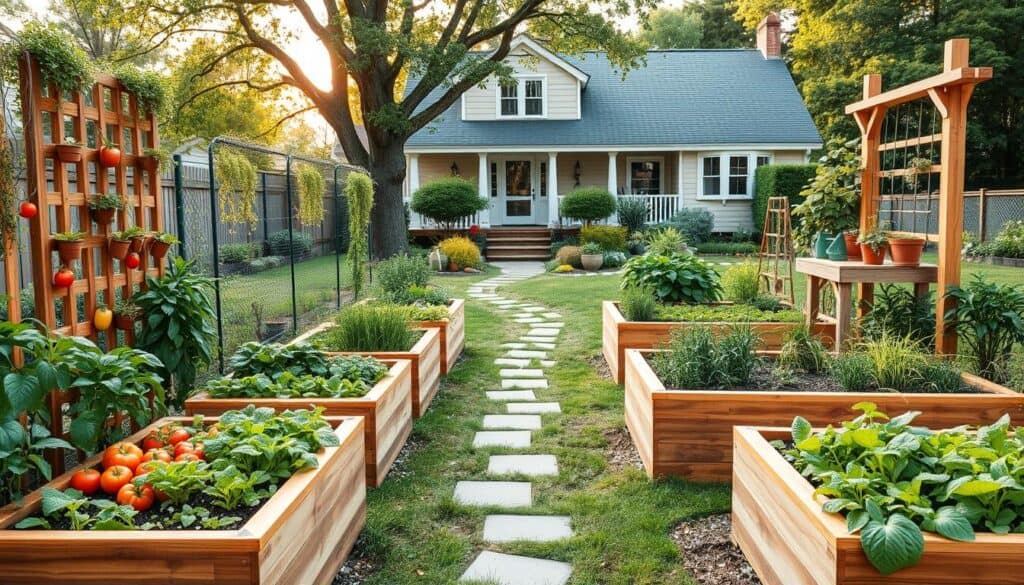
Vertical gardening is great for small spaces. A strong garden trellis for climbing beans or other climbing vegetable trellises lets you grow up, not out. This saves space and adds height to your yard.
For the final touches, focus on paths and borders. Creative garden edging ideas keep your garden in place. A stone walkway garden makes your plants easy to reach, even after rain, and adds a lasting finish.
- Durability: Choose rot-resistant cedar or galvanized steel for long-lasting structures.
- Accessibility: Ensure your pathways are wide enough for a wheelbarrow or garden cart.
- Height: Use vertical supports to draw the eye upward and create visual interest.
- Organization: Group plants with similar water needs within the same bed.
Sustainable Practices for a Low-Maintenance Front Yard
Starting a sustainable front yard design means managing soil well and using water wisely. With sustainable front yard gardening, you can have a stunning organic front yard garden design that also gives you fresh veggies. These low maintenance landscaping ideas let you enjoy your harvest more and work less.
Improving soil health is key. Using no-till garden beds keeps the soil natural and its microorganisms alive. Also, mulching garden beds fights weeds and keeps soil moist in summer.
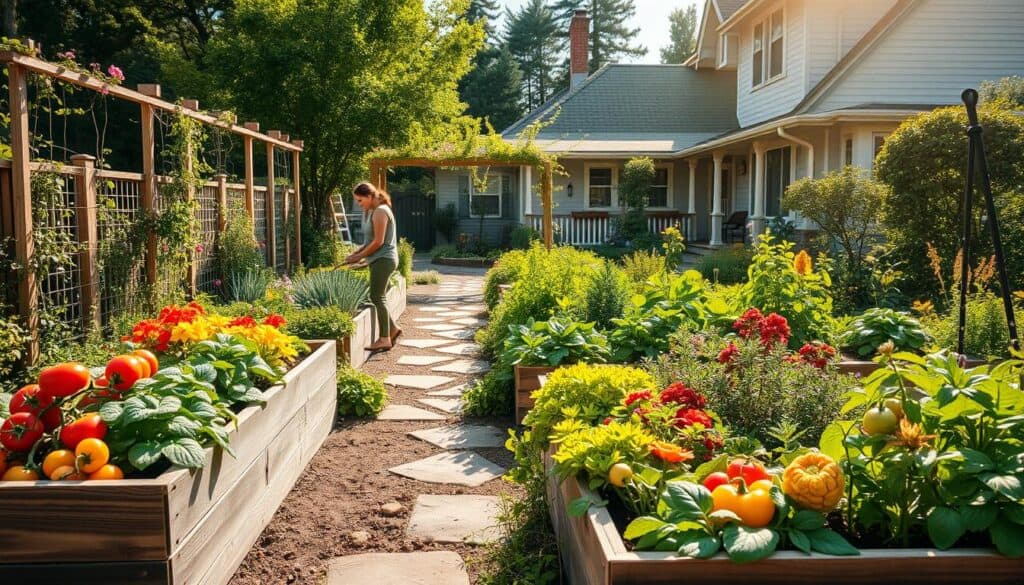
Water management is critical for a thriving organic vegetable garden. Drip irrigation for vegetables sends water straight to the roots, saving water. A smart water-saving garden layout keeps plants healthy, even when it’s dry.
Choosing the right plants is essential. Drought tolerant vegetables handle dry spells well. Adding perennial vegetables means less replanting, giving you a steady food source year after year.
These strategies make your front yard a resilient ecosystem. They save you time and help the environment. A well-thought-out, sustainable space is easy to maintain and beautiful, showing that beauty and productivity can coexist.
Creative Design Solutions for Small Urban Spaces
Even the smallest city plot can become a thriving food source with creative garden designs. Many think they can’t grow food without a big yard. But, with the right layout, your front yard can become a productive oasis.
To make the most of a small space, focus on vertical gardening. Use trellises, wall-mounted planters, or hanging baskets. This keeps the ground free and lets vining crops like peas and cucumbers grow up.
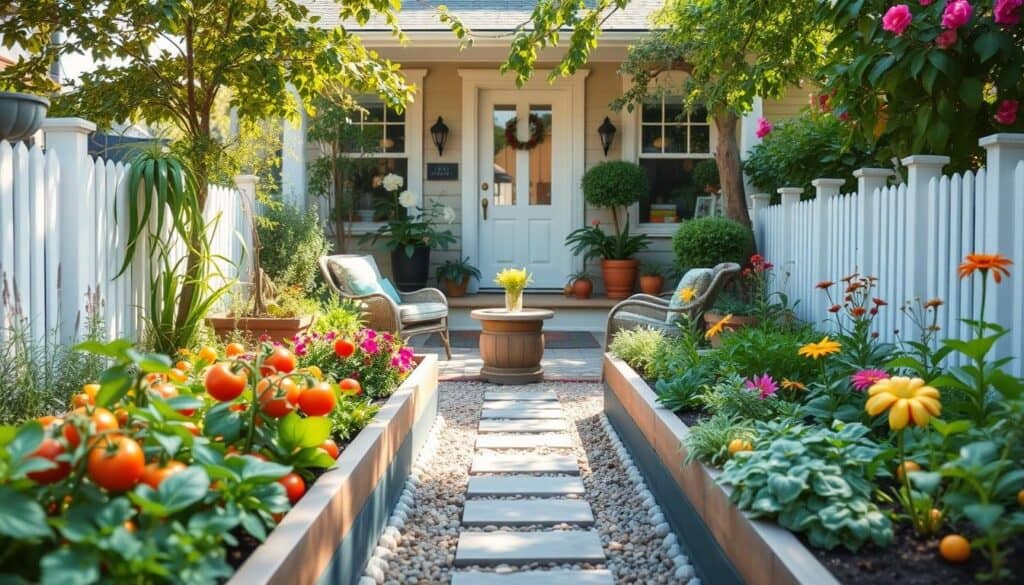
For small space vegetable gardening, pick plants that grow well in pots. Choose dwarf varieties of tomatoes and herbs. These are great for small patios or narrow entryways.
There are many ways to make your front yard both functional and attractive. Use decorative containers that match your home’s color. This makes your garden look like a deliberate design choice.
Successful small space edible gardening needs consistent care and smart plant placement. Keep these tips in mind to keep your garden beautiful:
- Group plants with similar water and sunlight needs together.
- Use high-quality potting mix to provide essential nutrients for container plants.
- Rotate your crops seasonally to keep the soil healthy and productive.
- Incorporate edible flowers like nasturtiums to add color and deter pests.
An urban farming front yard can be both productive and beautiful. By balancing your harvest goals with thoughtful landscaping, you can enjoy fresh produce while improving your home’s look. With creativity, even the smallest urban space can become a bountiful garden.
Adding Privacy and Structure with Edible Plantings
Turning your front yard into a private spot is simpler than you might think. Use edible landscaping ideas to make a secluded area that’s also welcoming. These plants are great for eating and adding beauty to your space.
Dwarf fruit trees for front yards are perfect for creating a natural barrier. They grow tall but stay small, adding beauty and fresh fruit to your yard.
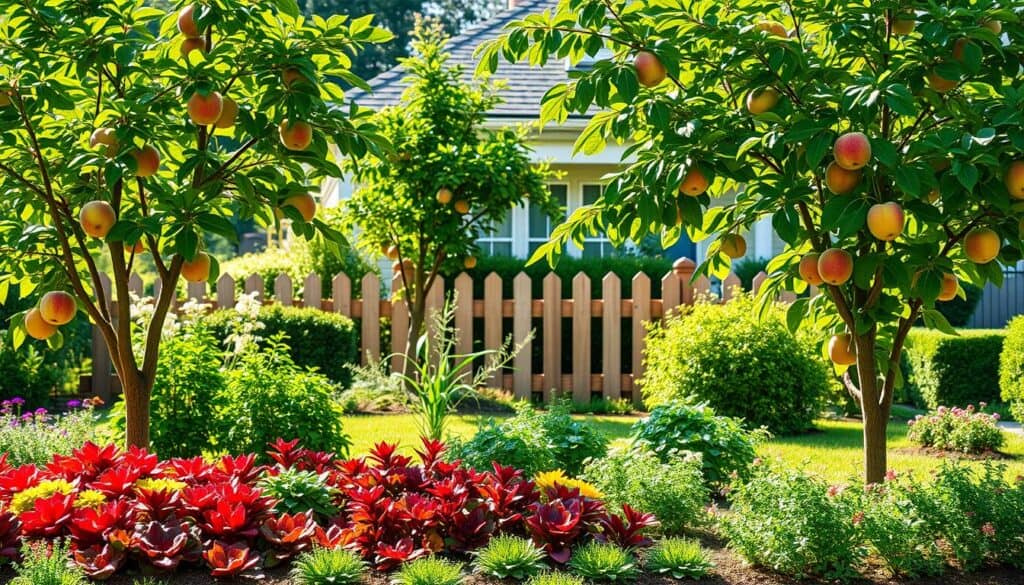
For a neat look, try edible ground cover instead of mulch or grass. Creeping thyme or wild strawberries spread fast, keeping weeds away and making your garden look lush.
For a clear boundary, mix front yard garden fencing with climbing plants. This makes your garden feel both private and stunning. Here are some climbing plants for your fence:
- Pole beans for quick vertical coverage.
- Sugar snap peas for early spring greenery.
- Hardy kiwi vines for long-term privacy.
- Nasturtiums for colorful, edible flowers.
These elements keep your garden a private oasis. You’ll love the peace and the edible beauty it brings to your family all year.
Tips for Maintaining a Tidy and Productive Food Yard
Keeping a front yard food yard clean and neat is key. Unlike a backyard, your front garden is always seen by others. A regular routine keeps it looking great, not messy.
Begin with simple veggie patch ideas that focus on order and cleanliness. Regularly trim back plants and remove old crops right away. This stops pests and keeps your garden looking neat all season.
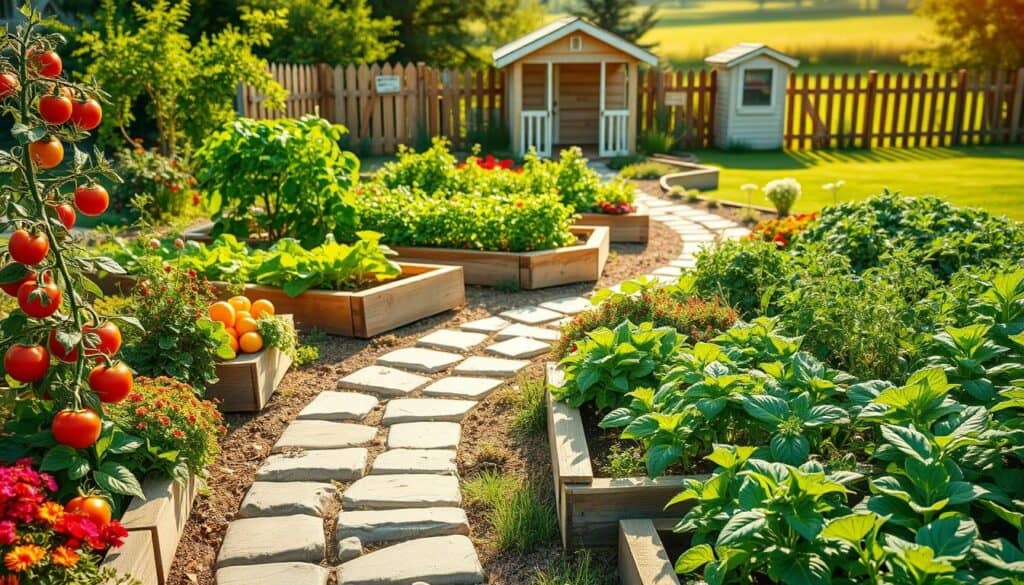
For a high yield vegetable garden, try square foot gardening. It lets you grow lots of food in a small area. Plants close together shade the soil, which stops weeds.
Adding DIY vegetable garden projects can also help. Building trellises or raised beds adds style and keeps plants off the ground. These steps make your garden a self-sufficient gardening success and a neighborhood favorite.
- Harvest ripe vegetables daily to encourage continued production.
- Use organic mulch to maintain soil moisture and suppress weeds.
- Label your plants with attractive, weather-resistant markers.
- Keep pathways clear of soil and plant clippings for a tidy look.
Community and Family-Friendly Garden Features
Turning your side yard into a shared space can strengthen bonds with neighbors and family. A family friendly front yard becomes a place for kids to learn about nature and food. Simple tasks like watering plants or picking berries become fun outdoor activities.
Adding community garden ideas can make your yard a neighborhood hub. Try setting up a “take what you need” basket for others. Hosting a seed swap is also a great way to meet gardeners and share tips.
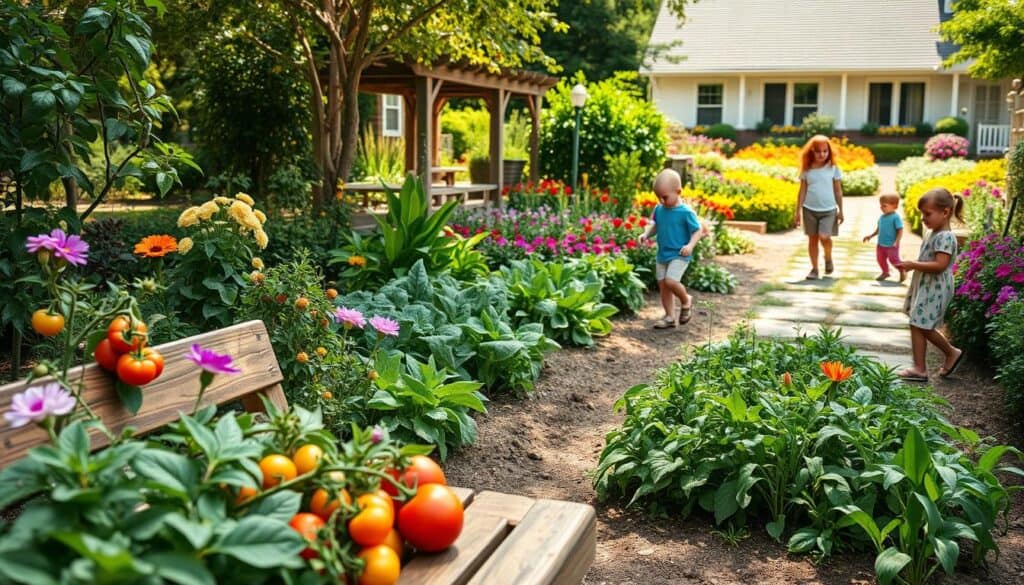
Using native plant and food gardens supports local pollinators and makes your street look beautiful. These plants need less water and chemicals. A mix of flowers and veggies attracts bees and butterflies, adding ecological value.
For an edible front yard for beginners, start with raised beds. They are easy to manage and look neat. Even with little space, you can use backyard vegetable garden ideas to grow more in your front yard.
- Install child-sized tools to encourage participation.
- Use clear labels to teach children about different plant varieties.
- Create a small seating area to invite neighbors for a chat.
- Rotate crops seasonally to keep the garden fresh and productive.
Your garden connects your home to the street. By focusing on accessibility and shared joy, it becomes a source of pride and connection for everyone.
Conclusion
Your front yard can become a lively spot for fresh food and beauty. This journey mixes creativity with the joy of growing food right outside your door.
Begin with a few raised beds from brands like Vego Garden or CedarCraft. These beds help organize your space and keep the soil healthy. Every plant you add makes your neighborhood greener and your lifestyle more sustainable.
Success requires patience and a desire to learn as your garden grows. Watch how the sun affects your soil to choose the best spots for your plants. Even a small area can give you a bountiful harvest for your family.
Share your garden’s progress with neighbors to strengthen your community. Your garden shows how function and beauty can go hand in hand. So, grab your shovel and start planting your dream today.