Growing your own food is a rewarding journey. It turns any backyard into a lush, productive oasis. Whether you have a big lawn or a small patio, this Step-by-Step Guide to Starting Your First Raised Bed Garden is here to help. We cover the basics to create a healthy space for your veggies and herbs.
Creating a custom space is easier than you think. By following this step-by-step guide to starting your first raised bed garden, you’ll learn to grow vibrant plants. You’ll discover how to pick the right materials, prepare your soil, and make sure your crops do well all season.
Healthy plants start with a solid foundation. With the right approach, you can enjoy a bountiful harvest. You’ll also learn skills that last a lifetime. Let’s get started and make your outdoor space a source of fresh, delicious produce.
Visit The Marketplace or grab your Free Garden Starter Kit
Benefits of Above-Ground Gardening
Switching to raised garden beds brings many benefits to your backyard. Homeowners find it makes growing plants easier and healthier.
Above ground gardening offers better drainage. The soil’s elevation means water flows away, avoiding root rot. This keeps your plants healthy, even in heavy rain.
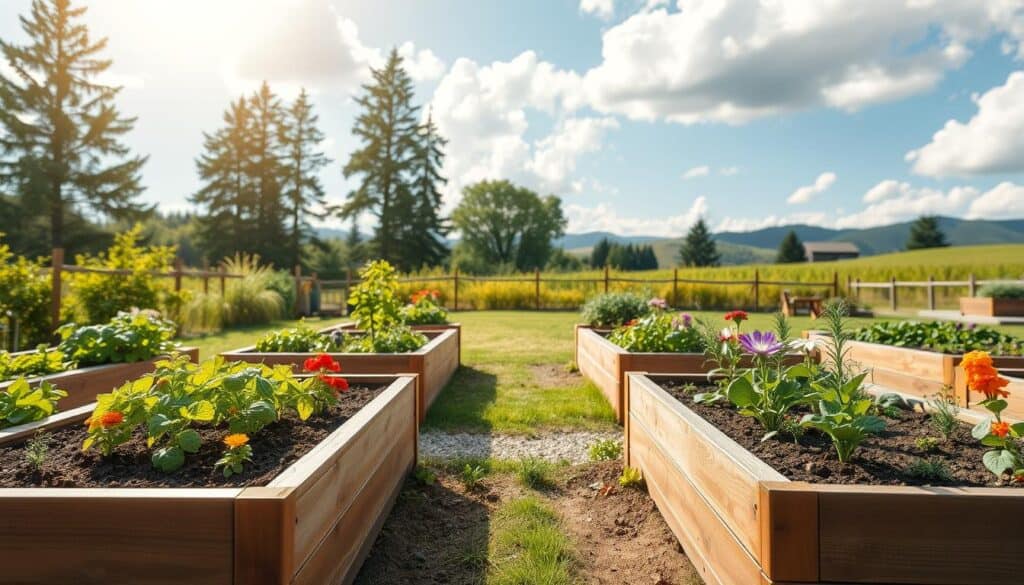
Raised bed gardening also cuts down on weeding time. A contained area stops weeds and grass from getting into your veggies.
Here are the main benefits to consider for your new garden:
- Better soil control: You can tailor the soil mix for your veggies.
- Improved accessibility: Raised beds make it easier to work without bending or kneeling.
- Extended growing seasons: Soil in raised garden beds warms up quicker in spring.
- Reduced soil compaction: Not walking on the soil keeps it loose and full of air.
Choosing above ground gardening lets you control your harvest. With raised bed gardening, you create a space that’s good for everyone in the family.
Planning Your Garden Layout and Location
Proper garden planning is key to a great growing season. Before starting, think about your raised garden layout. This ensures your vegetable garden does well all year. A good plan saves time and avoids common mistakes.
For your garden setup, sunlight is essential. Most plants need six to eight hours of direct sun daily. Choose a spot where sunlight moves well in the morning and afternoon.
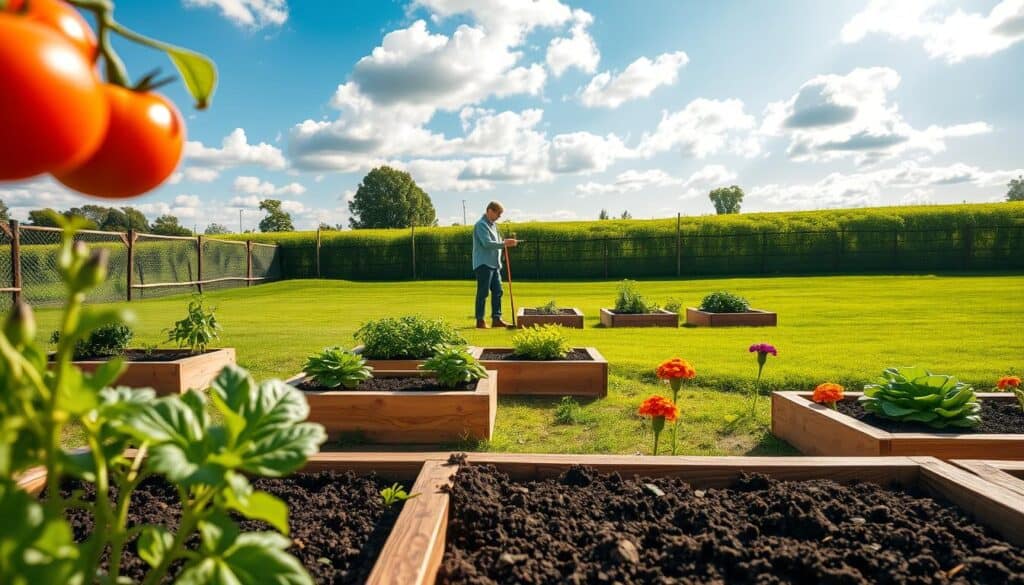
Good garden set ups are both useful and pretty. A smart raise bed garden design makes your space easy to use and keep up. Make sure paths are clear for moving around with tools.
A tidy backyard raised garden helps with air and pest control. When designing your vegetable garden, think about how it looks from your kitchen or patio. A nice garden makes gardening more fun every day.
For a kitchen garden layout raised beds, group plants by water needs. A raised bed kitchen garden design might use vertical space. You can find raised garden bed example plans online to inspire your garden.
Choosing the Right Materials for Your Raised Beds
Choosing the right materials is key to a successful garden. Whether you’re making vegetable garden beds or a decorative area, your choice affects the bed’s life and look. Many gardeners like diy cedar raised garden beds because cedar is rot-resistant and looks classic.
For a lasting, structured look, think about using bricks. Brick garden bed ideas offer a timeless beauty that can make any backyard look sophisticated. A brick garden bed with plants makes a strong border that holds soil well and adds elegance to your outdoor area.
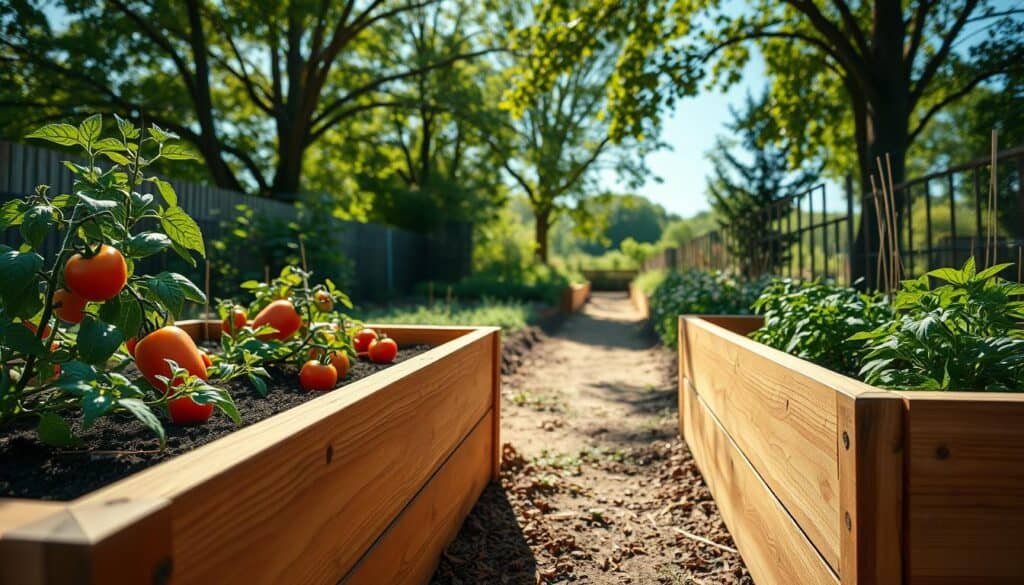
For small spaces, building an L-shaped raised garden bed is a smart move. It’s great for raised kitchen garden beds where you want herbs and veggies close. You can tailor these diy garden beds to fit your backyard perfectly.
Looking for affordable options? There are many cheap easy diy raised garden bed choices. You don’t need to spend a lot to make a diy raised garden. Here are some popular materials:
- Cedar wood: Great for lasting durability and natural pest control.
- Red bricks: Perfect for a backyard garden with a brick retaining wall look.
- Untreated pine: A budget-friendly option for a diy easy raised garden bed.
- Composite lumber: A modern, easy-to-maintain choice for raised garden boxes.
Learning how to make a garden box is the first step to growing your own food. Whether you pick a simple wooden frame or a more complex brick garden bed, make sure it’s level and sturdy. With the right materials, your raised bed kitchen garden will give you a rich harvest for years.
Step-by-Step Guide to Starting Your First Raised Bed Garden
Building your first garden bed is a rewarding project. It turns your backyard into a productive oasis. By following this 8. Step-by-Step Guide to Starting Your First Raised Bed Garden, you can ensure your project succeeds from the very first day. This process helps you avoid common mistakes that often frustrate new gardeners during the initial setup phase.
Before you begin, clear your chosen area of grass and debris to create a clean slate. A level surface is essential for the stability of your structure. You can use this diy garden bed tutorial to ensure your frame sits perfectly flat against the ground, which prevents soil erosion later on.
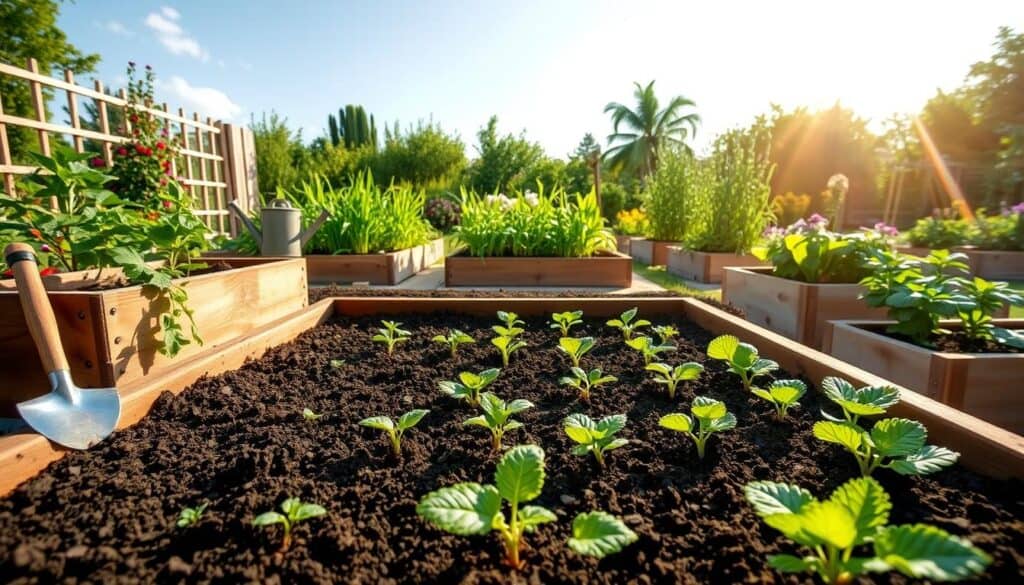
Once your site is prepared, follow these simple steps to assemble your garden:
- Measure and Cut: Mark your dimensions clearly and cut your lumber to size to ensure a perfect fit.
- Assemble the Frame: Use weather-resistant screws to join your boards, creating a sturdy rectangular or square box.
- Position the Bed: Place your frame in the desired location and check it with a level to ensure it sits evenly.
- Line the Bottom: Add a layer of hardware cloth or landscape fabric to keep weeds out while allowing for proper drainage.
- Fill with Soil: Pour in your high-quality soil and compost mix, leaving about an inch of space at the top.
This gardening tutorial is designed to make your transition into home growing as smooth as possible. By taking the time to build a solid foundation, you provide your plants with the best environment to thrive. Remember that a well-constructed bed is the secret to a bountiful harvest season after season.
Following this step-by-step guide to starting your first raised bed garden will save you time and effort in the long run. Once your bed is filled, you are ready to begin planting your favorite vegetables and herbs. Enjoy the process of watching your garden grow from a simple wooden frame into a lush, green sanctuary.
Selecting the Best Soil and Compost Mix
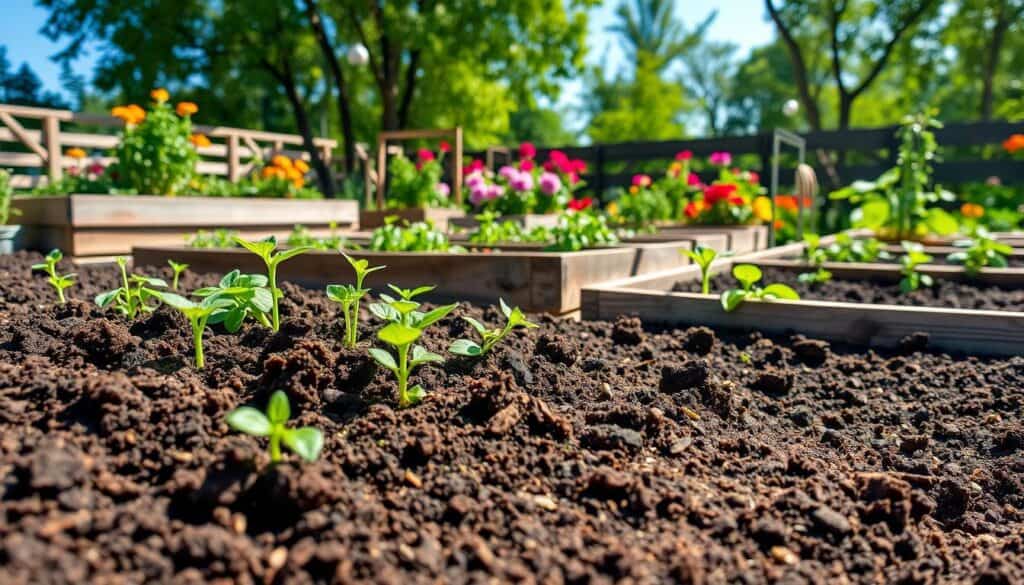
Creating a thriving raised bed starts with the right foundation for your plants. The quality of the earth inside your garden frames is key. A nutrient-rich environment supports vigorous growth and healthy roots.
A good mix balances moisture retention and excellent drainage. Too much water can cause root rot, harming your plants. On the other hand, soil that drains too fast can leave plants thirsty and stressed.
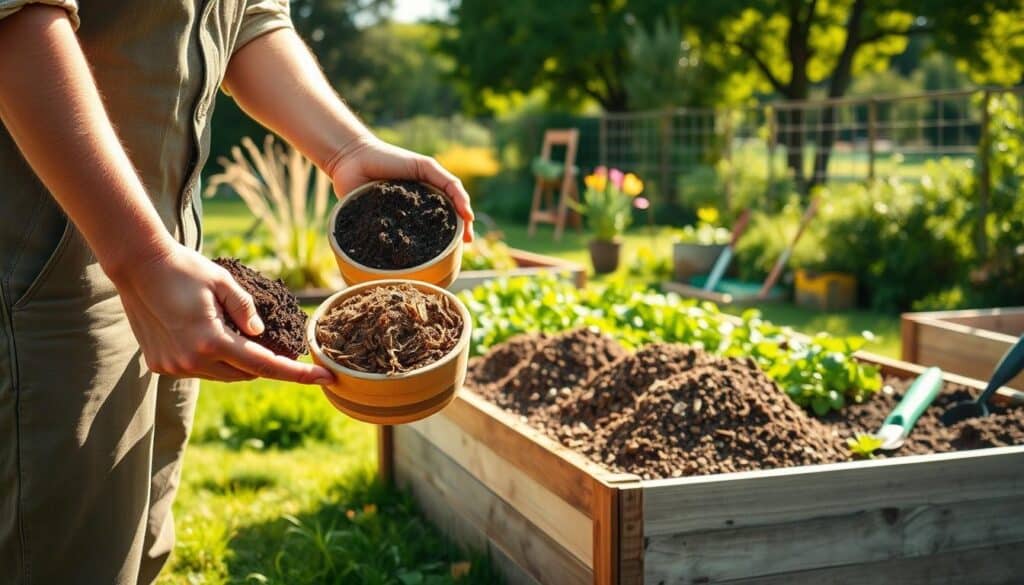
Creating a custom blend with high-quality organic matter is wise. Premium materials lead to healthier plants and higher yields. Aim for a light, fluffy texture that supports root growth and holds nutrients.
To make the perfect growing medium, mix these ingredients in your raised beds:
- High-quality compost for essential nutrients.
- Peat moss or coconut coir for moisture retention.
- Perlite or coarse sand for aeration and drainage.
- Aged manure to boost soil activity.
Mixing these components creates a balanced home for your vegetables. This saves time on maintenance and reduces synthetic fertilizer use. Start with the best foundation for a garden full of vibrant, delicious produce all year.
Essential Tools for Beginner Gardeners
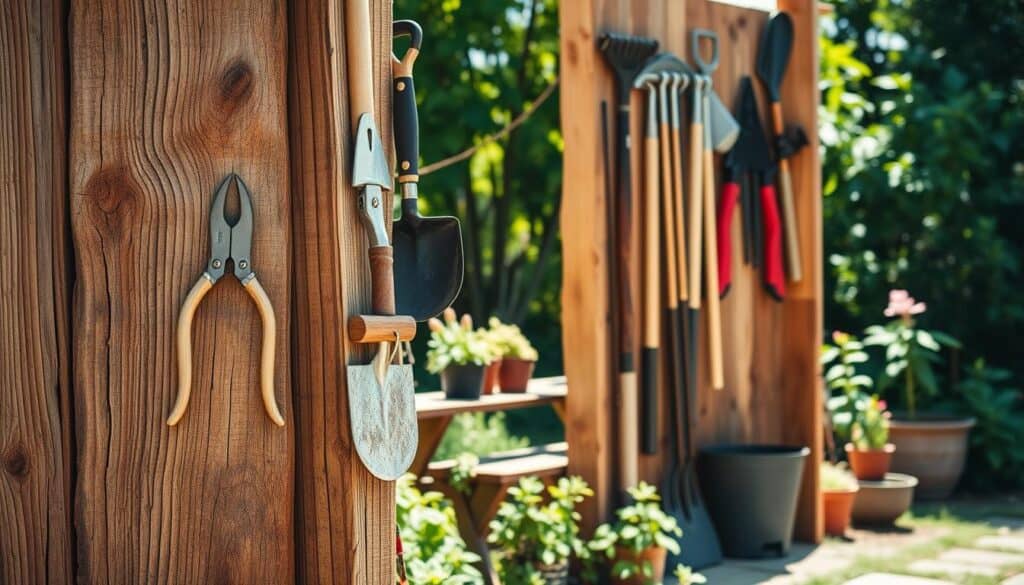
Gardening is more fun when you have the right tools. You don’t need a lot of expensive stuff to keep a raised bed healthy. A few good tools make your work easier and less tiring.
Many beginner gardeners get lost in all the gadgets at hardware stores. Start simple and add more tools as you learn. This way, you can enjoy growing your own food without getting bogged down by complicated tools.
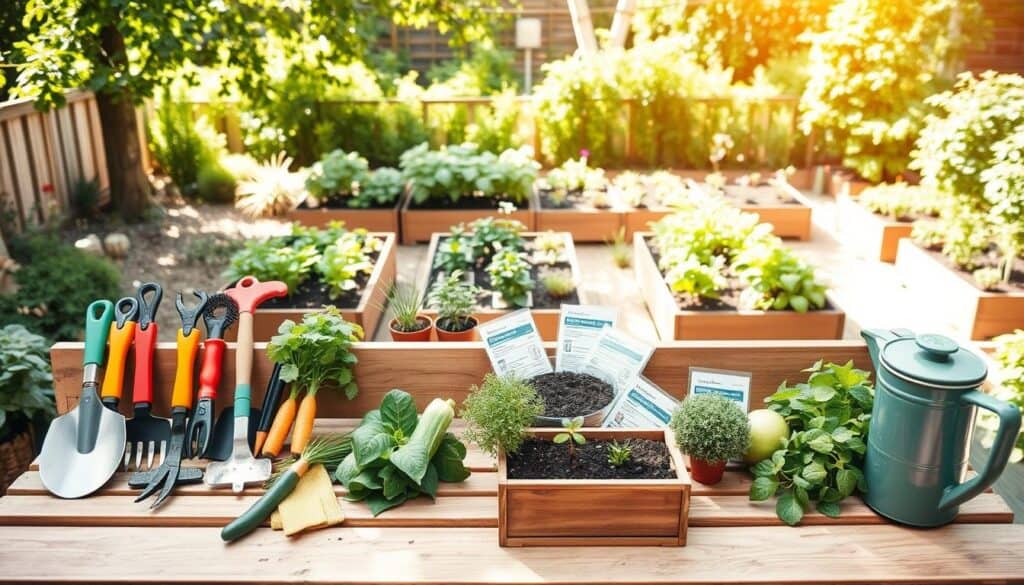
Here are three essential items to start with:
- Hand Trowel: This is key for digging small holes and moving seedlings.
- Bypass Pruners: They help you make clean cuts on stems and harvest veggies without harming the plants.
- Gardening Gloves: A good pair keeps your hands safe from thorns, dirt, and blisters.
Learning to use these basics is key to gardening success. Once you get the hang of them, gardening becomes a calming and fulfilling hobby. Always clean and dry your tools after each use to make them last longer.
Creative Design Ideas for Your Veggie Garden
Creating a dream veggie garden is all about mixing beauty with usefulness. Whether you have a small balcony or a big backyard, your garden should show your style and grow lots of food.
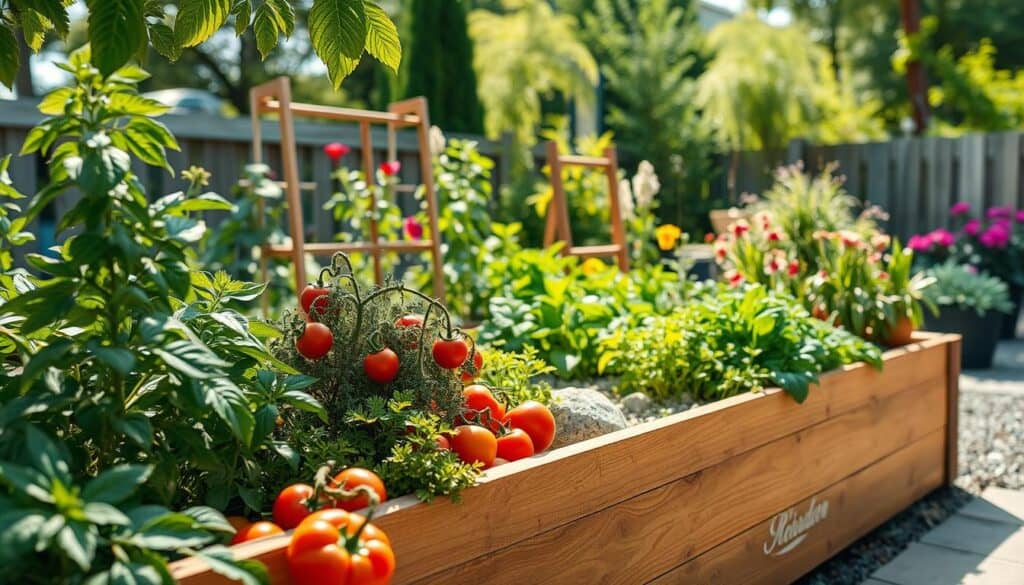
Looking for raised garden bed inspiration? Think about how shapes and sizes can change your garden. Using raised bed ideas makes your garden neat and helps your plants grow well. These garden beds ideas fit any spot, making every inch useful.
Using garden design permaculture means creating a garden that works well with nature. By watching how sunlight and water move, you can make a garden that’s healthy and strong. This way, your garden grows better with less work.
Ready to start your garden farm design? Here are some great layouts for your garden yard ideas:
- The Geometric Grid: Great for making the most of square spaces.
- The Keyhole Garden: A circle that lets you easily reach the middle.
- The Tiered Terrace: Good for sloped yards to stop soil from sliding.
- The Vertical Wall: Perfect for small spaces.
Remember, your garden will grow and change over time. Begin with a simple plan and add more as you learn about your soil and weather.
Incorporating Trellises, Arches, and Pergolas
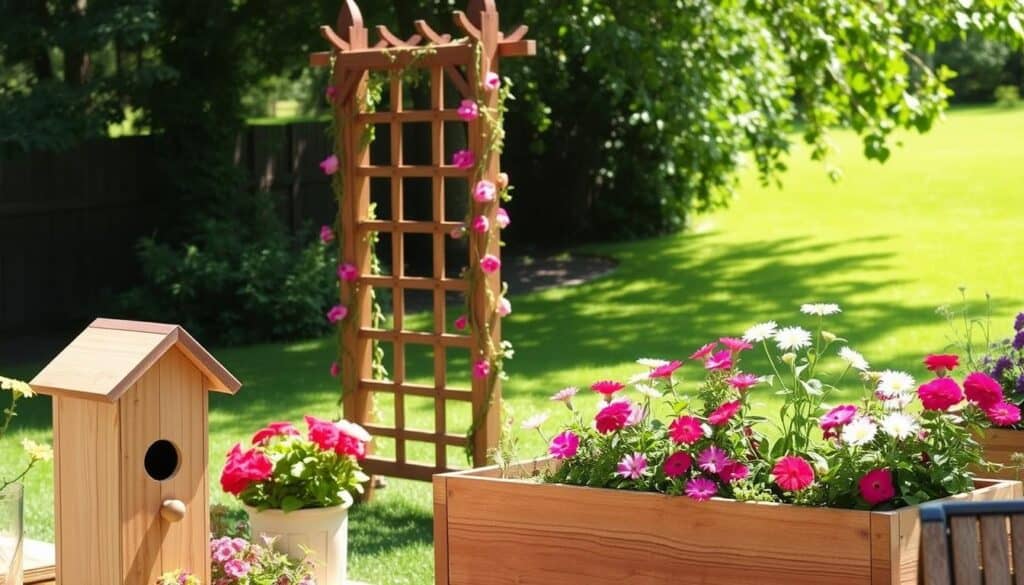
Take your gardening to new heights by building structures that reach for the sky. Vertical gardening is a great way to expand your growing space. A veggie garden arch helps vining plants like cucumbers or beans grow up, making harvesting easier. It also adds a beautiful focal point to your backyard.
For a mix of beauty and function, try a vegetable garden with trellis and flowers. This setup lets you grow edible crops and colorful blooms together, attracting pollinators. A vegetable garden pergola offers shade for your plants and acts as a stunning architectural feature. It protects heat-sensitive crops from the afternoon sun.
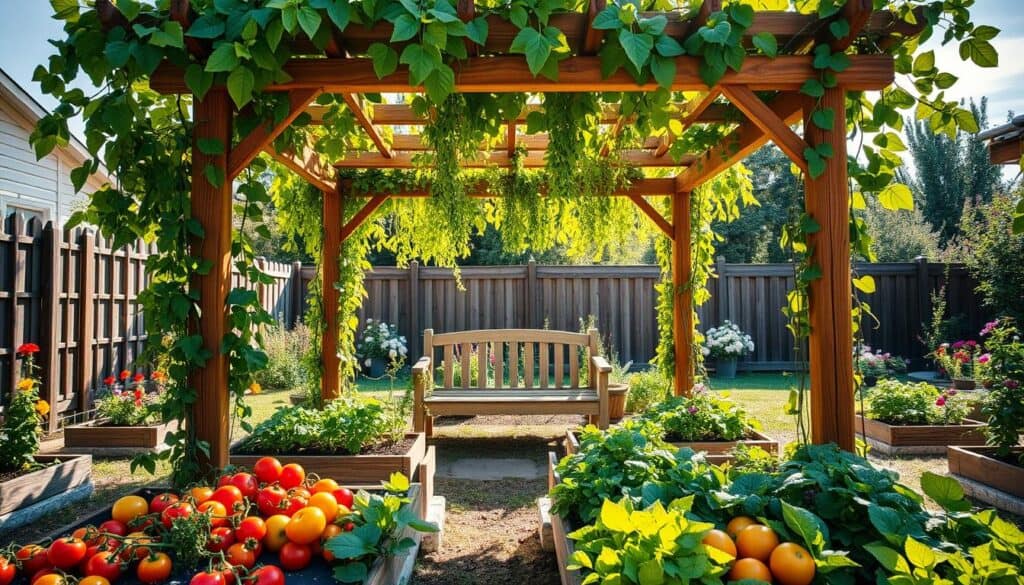
Think about how a pergola vegetable garden can shape your outdoor space. These structures are perfect for covered garden ideas in warmer climates. You can also add raised covered garden beds for a multi-dimensional garden that’s both productive and beautiful.
Here are some tips to make the most of your vertical structures:
- Choose sturdy materials like cedar or powder-coated steel for long-lasting support.
- Ensure your structures are anchored deeply to withstand strong winds.
- Select vining plant varieties that thrive in your specific climate zone.
- Train your plants early by gently tying stems to the trellis as they grow.
Adding Aesthetic Touches and Lighting
Turning your garden into a nighttime haven is simpler than you might think. Focus on the right details to make your outdoor space a dream vegetable garden backyard from magazines. It’s about mixing function with personal style.
Installing raised garden beds with lights is a great way to enjoy your garden longer. These lights show off your plants’ textures and keep you safe at night. You can pick from solar-powered stakes or LED strips that fit under the bed edges.
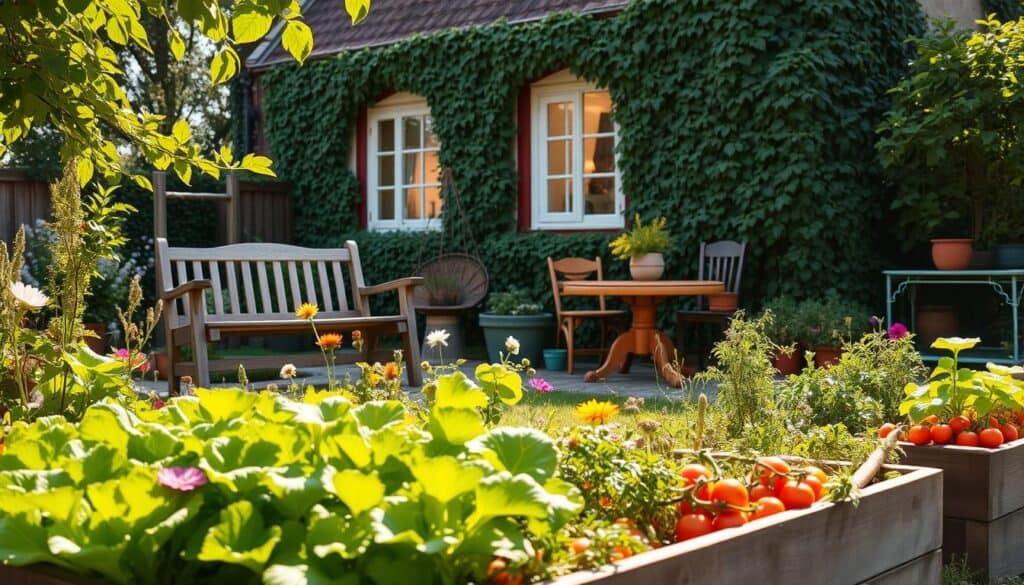
Choose warm, soft lights for your vegetable garden lighting. This creates a cozy feel, making your garden feel like home. Place lights on paths or near seats to keep your space useful at night.
To get a cottage vegetable garden aesthetic, add vintage signs or weathered stone. These rustic touches with soft lights make a magical spot for you and visitors. Thoughtful decor turns a simple garden into a beautiful, relaxing place for all seasons.
Planting Strategies for Maximum Yield
You can make your home vegetable garden super productive with the right methods. Arranging your crops wisely means every inch of space works hard. These vegetable gardening ideas help you get the most from your soil all season.
Companion planting is great for keeping your garden vegetable crops healthy. By placing certain plants together, you can keep pests away and help them grow faster. For instance, marigolds near tomatoes can keep harmful insects off while attracting good ones.
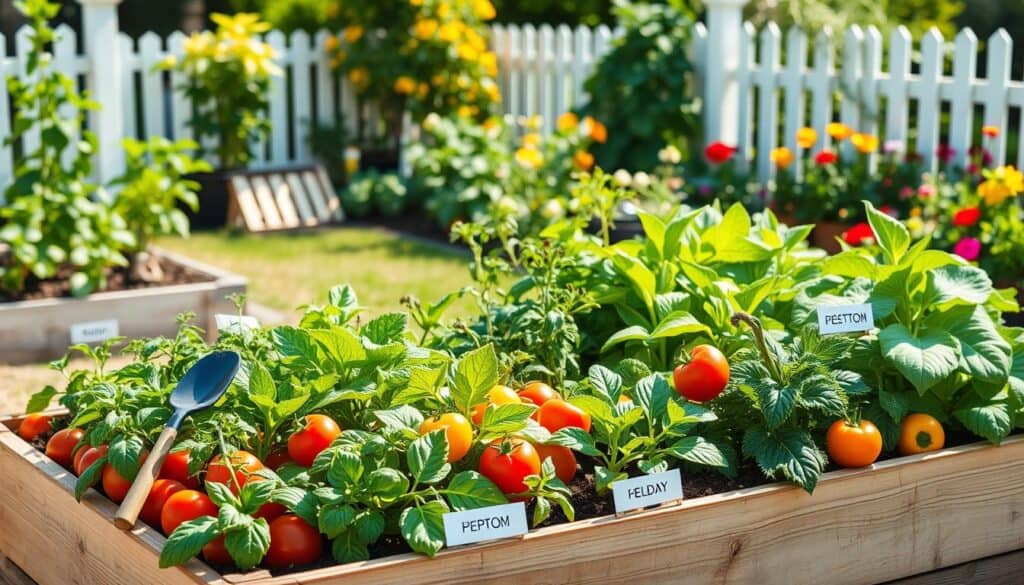
Succession sowing is key for a productive food garden. Instead of planting all at once, plant seeds every few weeks. This way, you get a steady flow of fresh veggies and avoid a summer glut. Your veggie garden will keep producing well into autumn.
Here are more tips to boost your yields in your garden beds vegetable:
- Integrate pollinator-friendly landscaping around your beds to attract bees and butterflies.
- Use vertical space for climbing varieties, making room for low-growing plants.
- Keep your garden vegetable plants well-spaced for good airflow and sunlight.
- Rotate your crops each season to keep your soil fertile in your garden beds vegetable.
A thriving home vegetable garden comes from these small, smart changes. With smart spacing and a diverse plant selection, your veggie garden will give you a bigger harvest. Start planning your layout today to see the difference in your seasonal yields.
Maintenance Tips for a Thriving Garden
Keeping your garden healthy from spring to frost is all about regular care. Spending a little time each week can stop problems before they start. These gardening tips will help you keep your soil moist and your plants looking great.
Using a structured approach, like a gardenary garden, helps you watch your plants grow. This way, you can spot pests or nutrient issues early. Treating your garden as a living system leads to a rich harvest.
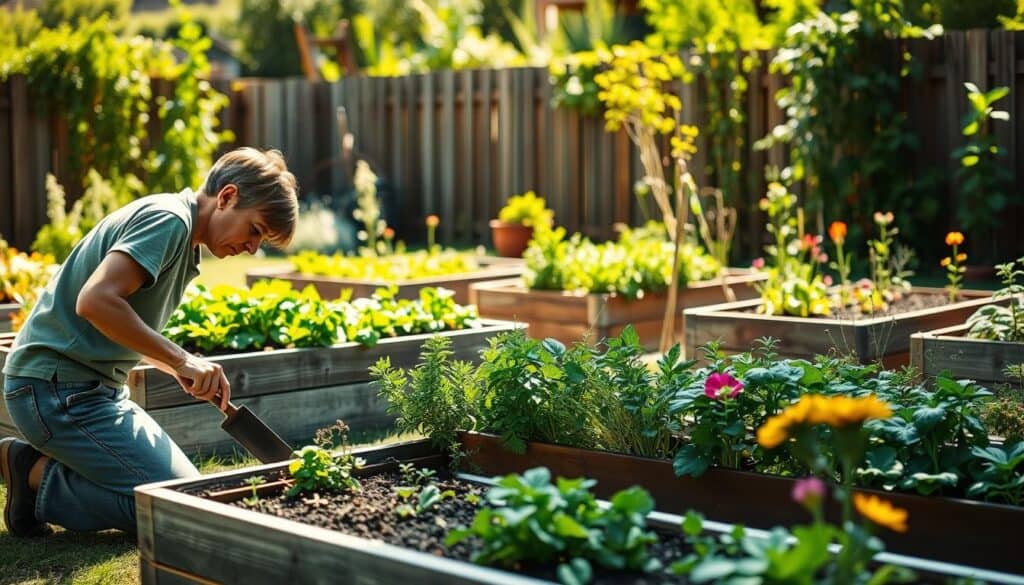
Here are the key practices for a healthy garden:
- Regular Mulching: Use organic mulch to fight weeds and keep soil moist.
- Proper Watering: Water at the roots with drip irrigation or a soaker hose to avoid wet leaves.
- Routine Inspection: Check your plants often for signs of stress or bugs.
- Seasonal Cleanup: Clear out old plant material to keep your garden clean and disease-free.
By following these gardening tips regularly, you’ll see amazing results. Your dedication to care will keep your raised beds productive and lovely. With the right habits, your garden will thrive all season.
Conclusion
Building a raised bed garden turns your outdoor area into a lively spot for fresh food. This journey connects you closely with your food and boosts your health.
You now know how to make a productive garden in your backyard. CedarSafe offers durable materials that last long. Fiskars tools make caring for your plants easy and quick.
Your garden is a place for growth and learning. Each season teaches you more about nature and patience. See your plants grow as you use the tips from this guide.
Put on your gloves and start this garden project. Working in the soil will give you more than just veggies. You’ll also feel a sense of pride. Share your garden’s progress with gardening groups or neighbors to inspire them.