Are you tired of maintaining rigid borders that require constant trimming? You can transform your outdoor space by choosing living borders instead of traditional hardscape materials. Landscaping with low-growing plants provides a seamless transition between your lawn and flower beds that looks better every year.
When you create natural garden edging, you gain more than just a tidy appearance. These garden edging plants support local ecosystems by providing vital habitats for beneficial insects. Selecting the right species ensures your borders thrive through every season.
We will explore various categories, from sun-loving perennials to shade-tolerant ground covers. Whether you are a novice or an expert, these low growing edging plants will help you achieve a professional look. Discover how natural garden edging can simplify your maintenance routine while boosting your home’s curb appeal.
Visit The Marketplace or grab your Free Garden Starter Kit
Why Choose Living Borders?
Why use synthetic materials when you can use nature? Living edge landscaping is a great way to enhance your garden. Many are switching to plants to replace plastic edging because synthetic options often crack or fade in the sun.
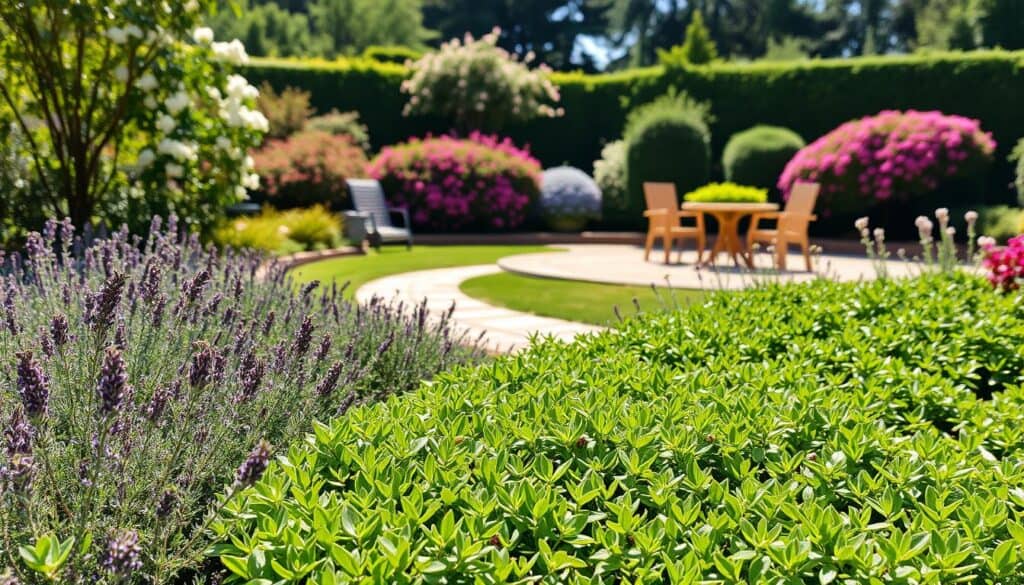
Natural garden border plants give a soft, organic look that fits well with flowers. These low growing border plants act as a living barrier, defining your beds and adding texture. This approach makes your garden more cohesive and inviting.
These low maintenance garden borders also have practical benefits. They improve soil health and help retain moisture, keeping plants hydrated in dry times. If you’re looking for living garden edging ideas, consider these advantages:
- Sustainability: Plants grow and adapt, unlike static materials.
- Soil Health: Root systems help prevent erosion and improve soil structure.
- Natural Growth: Plants fill in gaps over time, reducing upkeep.
This method is also a cost effective garden edging solution. Plants spread, so you spend less on replacement materials. Learning how to use plants as edging is a skill that makes your garden lush and thriving.
When you focus on living garden border design, you create a space that feels connected to nature. There are many ideas for living border edging to fit any style, from modern to classic. By choosing this path, your garden will remain beautiful and low-maintenance for years.
The Best Low-Growing Plants to Use as Natural Garden Edging
Choosing the right plants for garden edging makes your lawn and flower beds look great. It’s important to pick plants that fit your local climate, soil, and yard light. This way, your border stays healthy and beautiful for years.
The best natural garden border plants are small and spread slowly. They look neat without needing a lot of pruning. Consistency is key for a clean, polished look that improves your property’s design.
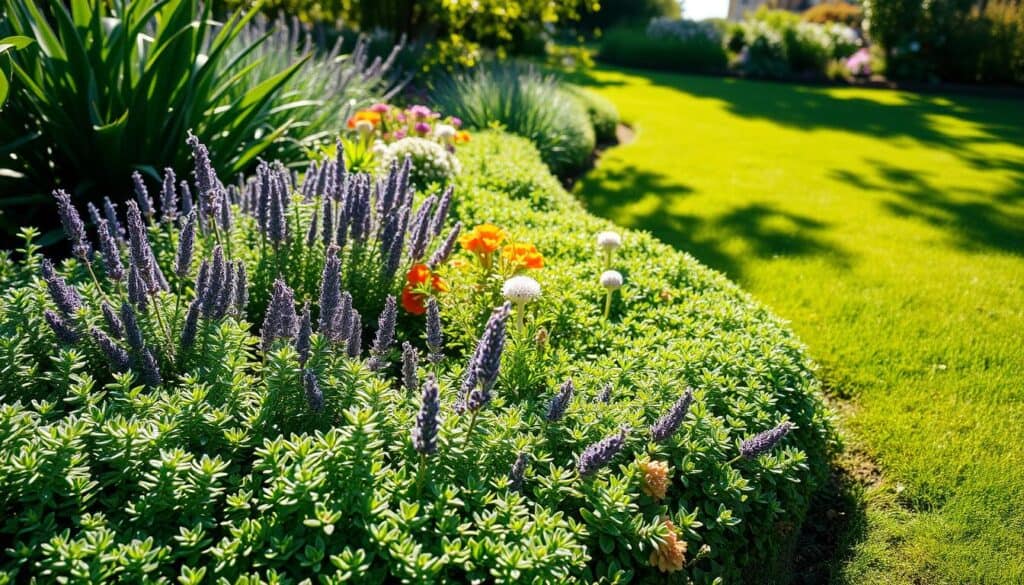
Looking for the best plants for garden borders means finding ones that are both beautiful and useful. Whether your garden is sunny or shaded, there’s a perfect plant for you. Think about these things when choosing:
- Sunlight exposure: Pick a plant that fits your garden’s light.
- Soil drainage: Choose plants that do well in your soil.
- Growth habit: Go for plants that stay clumped, not spreading.
Many gardeners like low growing border plants because they create a soft, natural edge. These garden bed edging plants frame your flowers and keep mulch and soil in place. They connect different areas of your landscape.
For raised beds, special plants for raised bed borders can soften the look of wood or stone. These plants spill over the edges, making your raised bed look lush and inviting. Proper plant selection is key to a successful, lasting living border that boosts your home’s appeal.
Sun-Loving Perennials for Crisp Edges
Make your outdoor space shine with low-growing plants that love the sun. These plants are easy to care for and add color and structure to sunny areas. Choosing the right edging plants gives your garden a polished look all season long.
These plants keep your garden looking neat and tidy. They are great for those who want a compact, formal appearance. If you’re looking for something like dwarf boxwood, these plants offer a lush look without constant pruning.
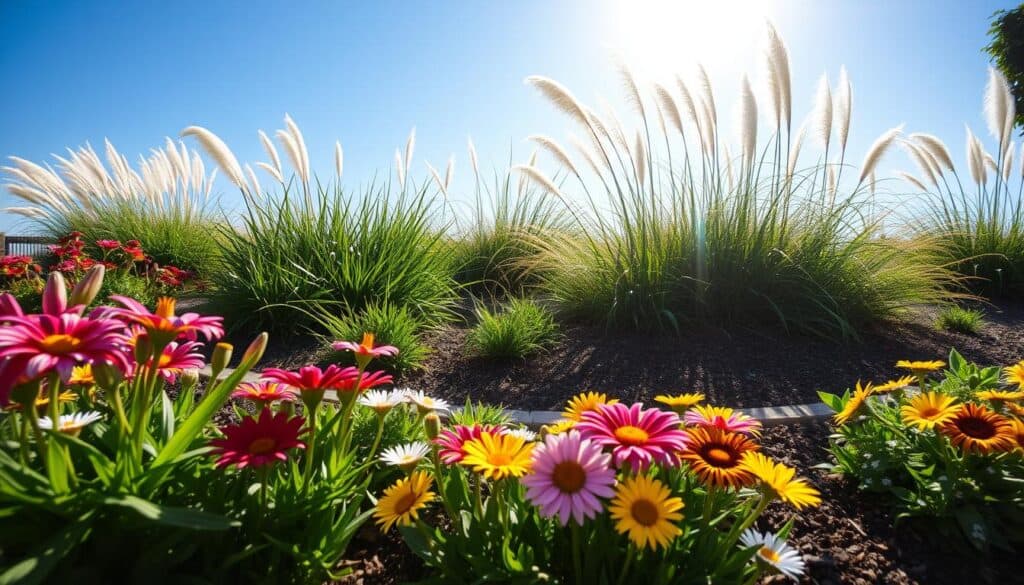
For busy areas, pick plants that can handle foot traffic. Creeping thyme is perfect for this, as it smells nice when stepped on. These plants are also great for driveways and front yards, where it gets hot.
When planning your garden, think about safety and longevity. You can find pet safe border plants that are beautiful and safe for pets. Many of these plants are also deer resistant edging plants, keeping your garden safe from wildlife. Plus, they grow slowly, so you’ll spend less time caring for them and more time enjoying your garden.
- Select varieties that thrive in your specific hardiness zone.
- Ensure the soil has proper drainage for healthy root development.
- Trim back overgrown stems in late summer to maintain a sharp line.
- Water deeply during the first season to establish a strong root system.
Shade-Tolerant Ground Covers for Woodland Borders
If your garden has dark, cool corners, you can create beautiful naturalistic garden borders. Woodland areas need special plants that grow well in low light. These ground cover plants for garden edging make the transition from shaded beds to paths smoother.
Choosing the right short ground cover for edges is key for a neat look. Many low lying border plants work well here. They form a dense carpet, controlling weeds and keeping edges tidy.
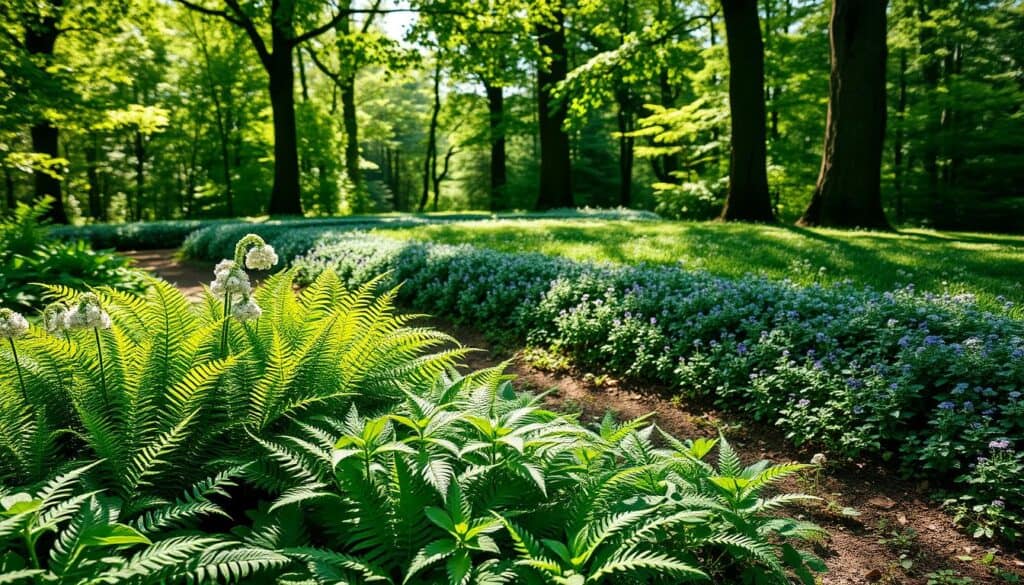
Adding a flowering ground cover for borders can bring color to your woodland floor. These shade loving edging plants bloom in early spring, brightening dark spots. Make sure the plants you choose fit your garden’s size.
Watch these plants for invasive tendencies, as some spread fast. Regular care helps prevent them from taking over. This keeps your garden balanced and healthy.
For a professional look, use layered garden plant borders with varied textures and colors. Durable ground cover plants ensure your woodland landscape stays beautiful. This layering adds depth and interest to even the darkest areas.
Drought-Resistant Succulents for Modern Landscapes
Modern landscapes look great with drought-resistant succulents. These plants have a sleek look and need little water once they settle. By picking succulents for garden edges, you get a clean, modern look all year.
These plants love well-draining soil, making them perfect for border plants for driveways and pathways. They do well in dry spots near concrete or stone. Plus, many are deer resistant edging plants, keeping your garden safe from deer.
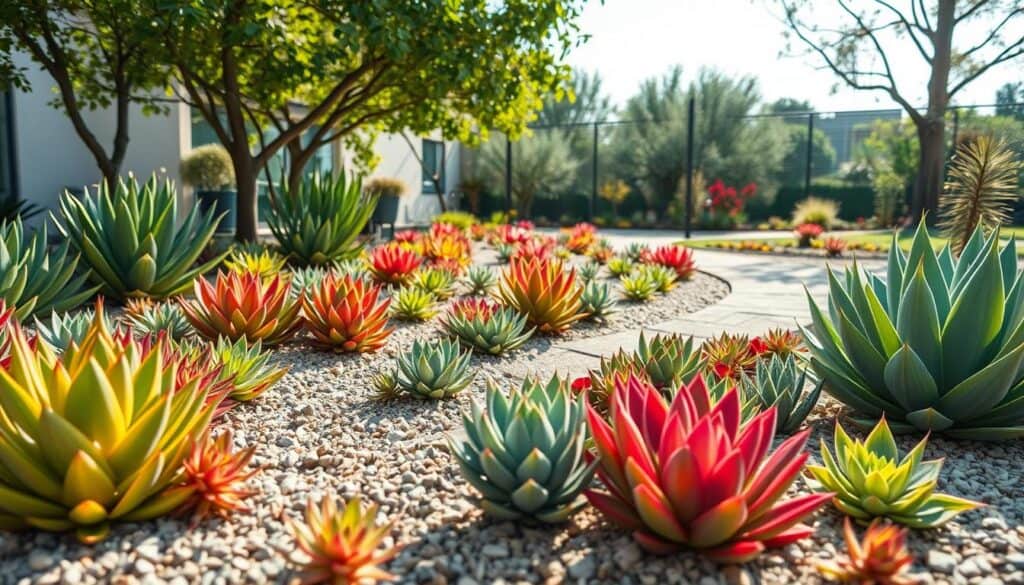
For landscaping with low-growing plants, consider these hardy options for your borders:
- Sedum (Stonecrop): These sun tolerant border plants come in many colors and textures.
- Sempervivum (Hens and Chicks): Perfect as low profile border plants that multiply quickly.
- Echeveria: These provide a rosette shape that works well as modern garden edging.
- Delosperma (Ice Plant): A great choice for drought resistant edging plants that bloom with vibrant color.
These easy care border plants are simple to propagate, letting you grow your garden without extra costs. Whether you need edging plants for pathways or edging plants for walkways, these flat growing garden plants give a neat finish. Their low lying border plants structure ensures they never overwhelm your design, making them ideal backyard edging solutions for any homeowner.
Flowering Creepers for Cottage Garden Charm
Nothing captures the whimsical spirit of a cottage garden like a lush, flowering border. These front yard border plants give your garden beds a soft, organic look. They define your garden beds with grace. By choosing the right creeping plants for borders, you can create a vibrant, inviting atmosphere.
Many gardeners like short ground cover for edges for a seamless lawn-to-flower transition. These compact garden edging plants stay neat and offer seasonal color. They soften hardscape lines and add natural beauty to your landscape.
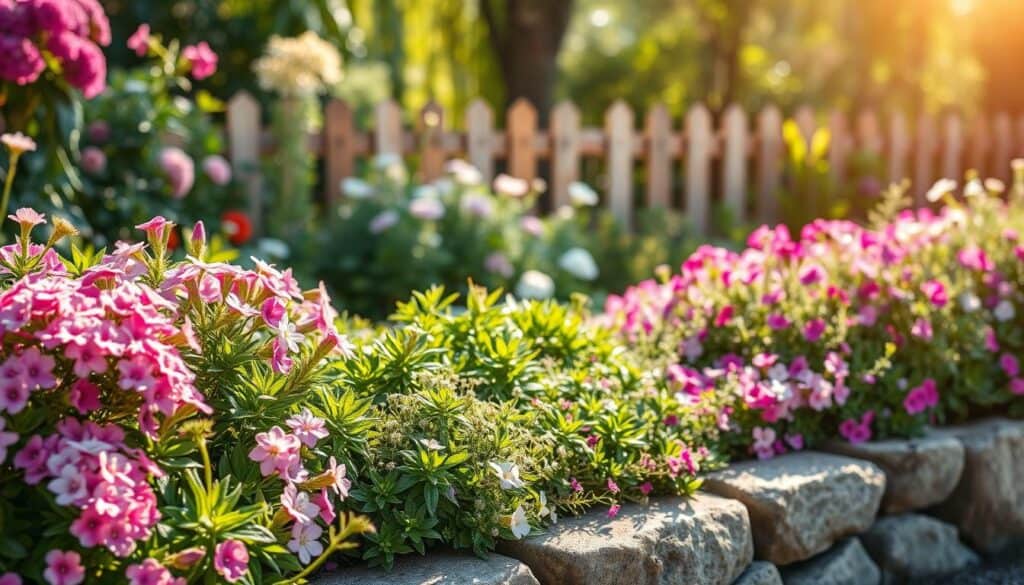
When picking flat growing garden plants, choose varieties that bloom all season. These tiny edging plants fill gaps between stones or along paths. Their flowers attract bees and butterflies, supporting a healthy ecosystem.
Creeping thyme garden edging offers a classic look with its scent and durability. These short creeping plants are resilient and handle light foot traffic. They create a dense mat that suppresses weeds while looking beautiful.
Using flowering ground cover for borders enhances your cottage garden border plants. These species thrive when they spill over stone or wood borders. This creates a layered, established aesthetic that feels both professional and relaxed.
To maintain rustic garden borders, prune your creepers regularly. This keeps your colorful flower bed edging tidy and prevents it from overwhelming nearby perennials. Consistent care keeps these plants looking their best all year.
Many of these varieties are pet safe border plants, perfect for family-friendly yards. Some are even steppable edging plants, withstanding occasional pressure without losing charm. With a little planning, you can enjoy a beautiful, low-maintenance garden edge that brings joy to your outdoor space.
Ornamental Grasses for Textured and Minimalist Edging
Ornamental grasses can change your outdoor space into a sleek, textured area. They add a unique movement that’s perfect for green garden edging. These plants are great for a clean, modern look in your backyard.
These grasses grow in clumps, making them easy to space out. They’re perfect for a consistent look. Plus, many are evergreen, keeping your garden looking good all year.
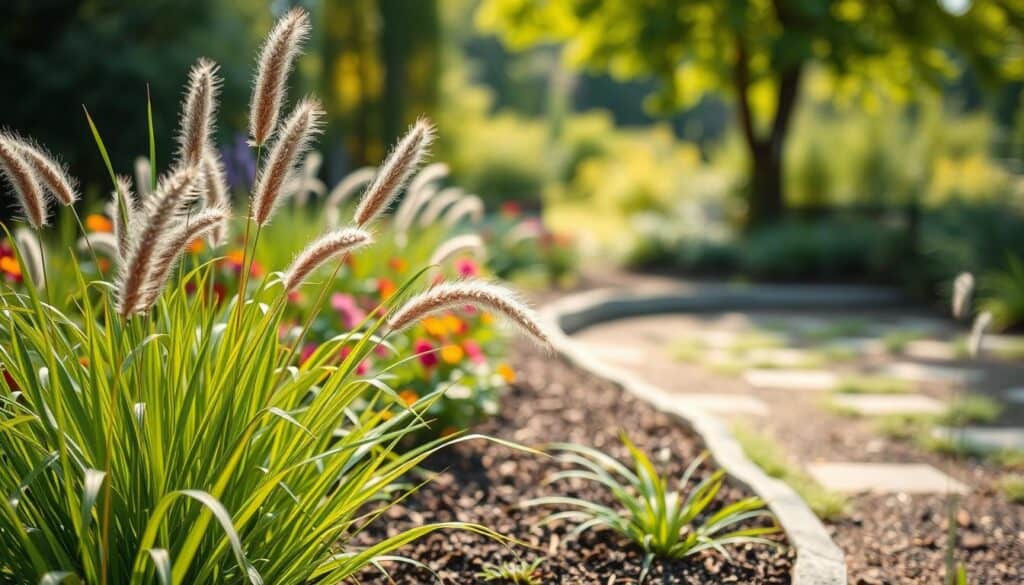
Choose an ornamental grass that fits your local climate. Many are drought resistant, saving water. Knowing how much water they need keeps your borders looking great.
For a modern look, ornamental grasses are ideal. They create a clean, minimalist edge. Their movement adds interest that other borders can’t match.
Planning is key for textured garden borders. Choose the right species for your soil. Regular trimming keeps them looking fresh.
These grasses are also great for pathways or walkways. They make the transition between hard and soft areas smooth. They help create formal, modern garden edges.
Functional Plants That Prevent Soil Erosion
Struggling with soil runoff? The right plants can make your garden edges a strong defense. Many homeowners seek dwarf plants for garden edging that do more than look good. These hardy plants help keep your soil in place, which is great for sloped areas.
When picking ground cover plants for garden edging, look for those with dense roots. These garden bed edging plants act like a net, holding the soil tight during rain. This stops soil from washing away into walkways or lawns.
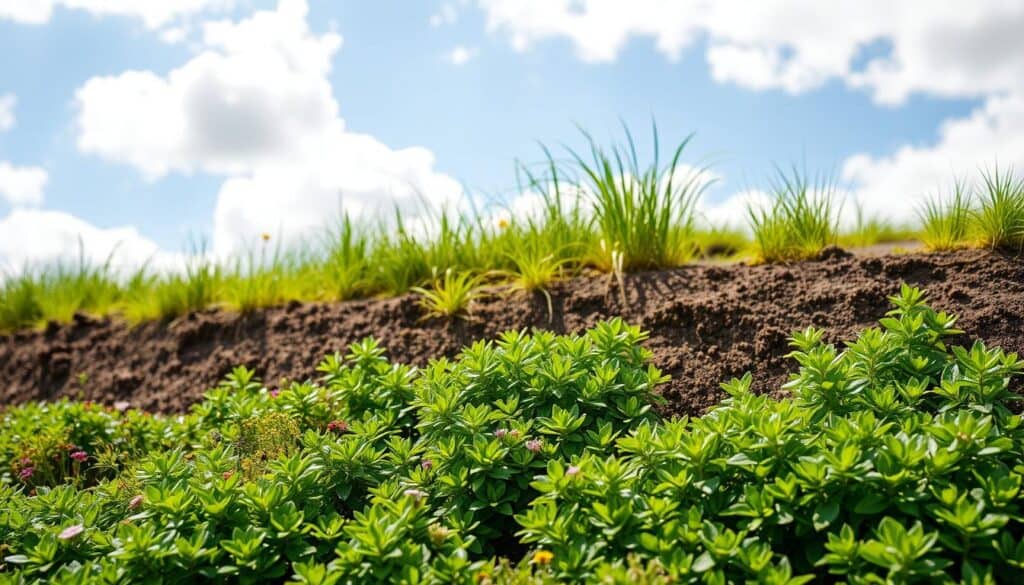
Crepiping plants for borders make a lush, living barrier. These dwarf edging plants grow fast but are easy to trim. Regular trimming keeps your garden looking neat and professional.
For small spaces, tiny edging plants or short creeping plants are perfect. They cover areas well without taking over. They add a soft, natural look that hard materials can’t match.
Many gardeners use these plants as dwarf boxwood alternatives for living lawn borders. They create a soft transition between grass and flower beds. They’re also easier to care for than traditional shrubs.
For those who want little upkeep, choose slow growing border plants that stay small. These durable ground cover plants grow fast but need little care. They’re ideal for busy gardeners who want a neat yard.
Using these plants is a great way to replace plastic edging. They also work well as plants for raised bed borders. They spill over the sides, adding an organic feel to your outdoor space.
These plants solve many problems, like preventing soil erosion. They provide a lasting solution for areas that wash away easily. They turn a problem area into a beautiful, stable garden feature.
These species also block weeds by growing over them. You can layer them to add depth to your garden. This keeps your soil in place and makes your garden more interesting.
Tips for Maintaining Your Living Garden Borders
Keeping your living garden borders in top shape is easier than you think. Choose low-maintenance garden edging for a beautiful yard without endless chores. A regular routine keeps your natural garden edging looking great all year.
For green garden edging, just do some occasional pruning and check the soil moisture. Low maintenance garden borders need little care. These plants are tough and can thrive with minimal help.
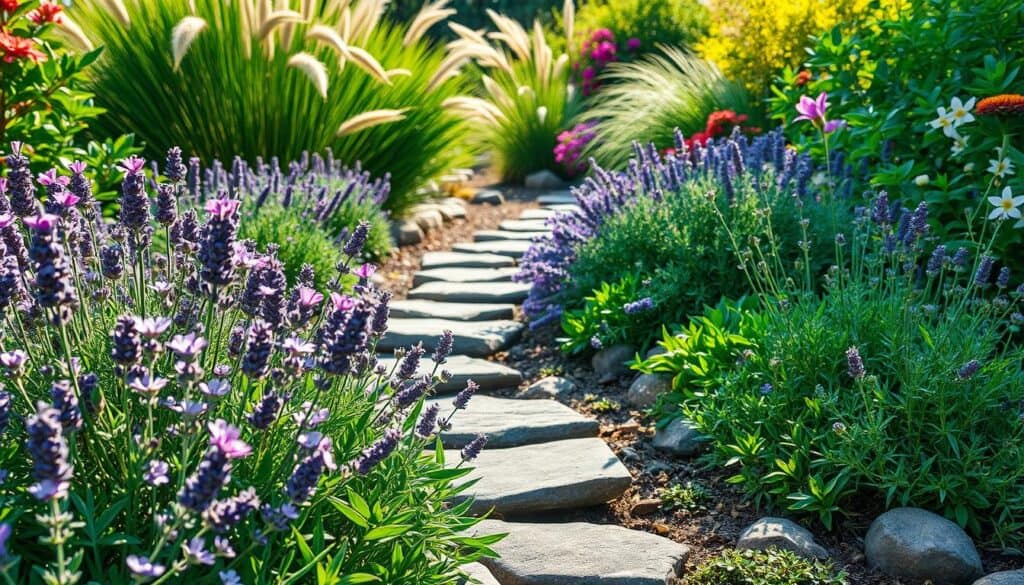
If you picked succulents for garden edges, they like dry soil. On the other hand, shade loving edging plants need more water when it’s hot. Always know what your plants need to stay healthy.
For naturalistic garden borders, mix different textures. A lush garden edging adds a soft touch to your flower beds. Light trimming keeps the shape and stops plants from spreading.
Using weed blocking edging plants saves you work. It’s a cost effective garden edging method that keeps weeds out. This lets your plants grow strong and fill gaps naturally.
Understanding how plants grow is key to using them as edging. Choose easy care border plants that don’t need frequent division. If gaps appear, you can easily fill them with new plants.
Here’s a checklist for keeping your ideas for living border edging looking great:
- Regular Weeding: Remove debris to keep your living garden border design clean.
- Seasonal Pruning: Trim back overgrown plants for a neat, rustic garden borders look.
- Moisture Monitoring: Adjust your watering based on the weather.
- Gap Filling: Divide and replant healthy sections for a uniform look.
Conclusion
Choosing the right plants for your garden borders can transform a simple yard into a stunning landscape. These plants not only add structure but also bring life to your property.
Perennial garden edging plants are perfect for a classic look that comes back every spring. They are reliable and grow consistently throughout the seasons.
If you prefer a modern look, consider minimalist garden edging. Ornamental grasses can add a sleek, contemporary feel. They create beautiful, textured borders that catch the light.
Cottage garden border plants add a soft, romantic touch to your flower beds. They create colorful edges that attract pollinators. These plants solve problems by filling gaps and suppressing weeds.
Many low-growing plants act as natural barriers. Certain species prevent soil erosion on slopes or near walkways. They keep your garden beds intact during heavy rain.
Begin your project by checking your soil and light conditions today. A well-planned border adds value and charm to your home. Your garden will become a polished sanctuary that reflects your personal style for years to come.