Many home growers in the United States struggle with poor harvests. They overlook their foundation. You might have high-quality seeds or expensive tools, but your plants will struggle without proper nutrients.
Selecting the best soil mix for a raised bed garden that actually produces is key. It unlocks vibrant, healthy vegetables.
A well-prepared growing medium changes your entire experience. Instead of dealing with stunted growth or constant pests, you create an environment where roots thrive effortlessly. This simple shift turns gardening from frustrating labor into an incredibly rewarding hobby.
Starting with premium components is your most critical step. When you prioritize quality underground, you ensure your backyard yields bountiful crops every single season. Let us explore how to build this perfect base to guarantee your future success.
Visit The Marketplace or grab your Free Garden Starter Kit
Understanding the Foundation of High-Yield Raised Beds
Building a raised garden bed lets you control your plants’ environment. Unlike traditional gardens, these beds let you create the perfect soil from the start. This makes gardening easier by avoiding poor soil or hard ground.
By focusing on your garden’s structure, you create a better space for vegetable gardening. You can manage water, air, and nutrients easily. This is key for growing veggies well. Elevating your plants gives them a loose soil that helps roots grow deep.
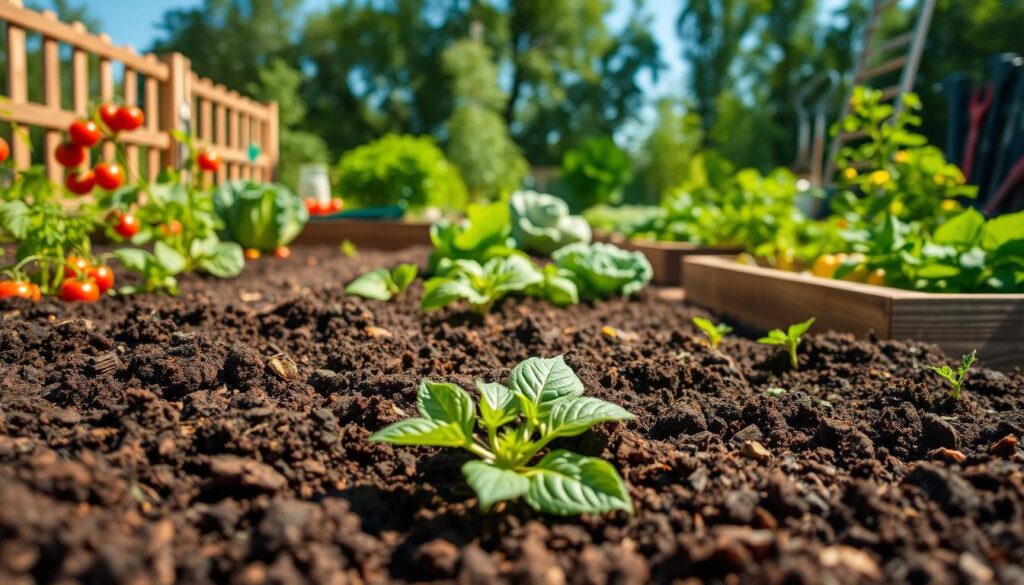
These beds have many benefits for your plants. The soil stays loose, so roots can grow freely. This leads to healthier plants. Here are some main advantages of using raised beds for raised bed vegetables:
- Better Drainage: Water flows away, preventing root rot.
- Soil Warmth: Soil warms up faster, letting you start earlier.
- Reduced Weeds: It’s easier to manage and remove weeds in a contained space.
- Ergonomic Access: You can easily reach your plants without bending.
Creating a solid foundation is key for success. Focus on quality soil and a strong bed for a good harvest. Spending time on these basics keeps your garden productive and healthy for years.
The Best Soil Mix for a Raised Bed Garden That Actually Produces: Our Top 5 Recommendations
Finding the right soil mix for a raised bed garden is key to a bountiful harvest. High-quality ingredients create the perfect environment for your plants. This lets them grow strong roots and reach their full growth.
Choosing the right mix can seem hard, but these five blends make it easy. Each blend is great for keeping moisture and nutrients in the soil.
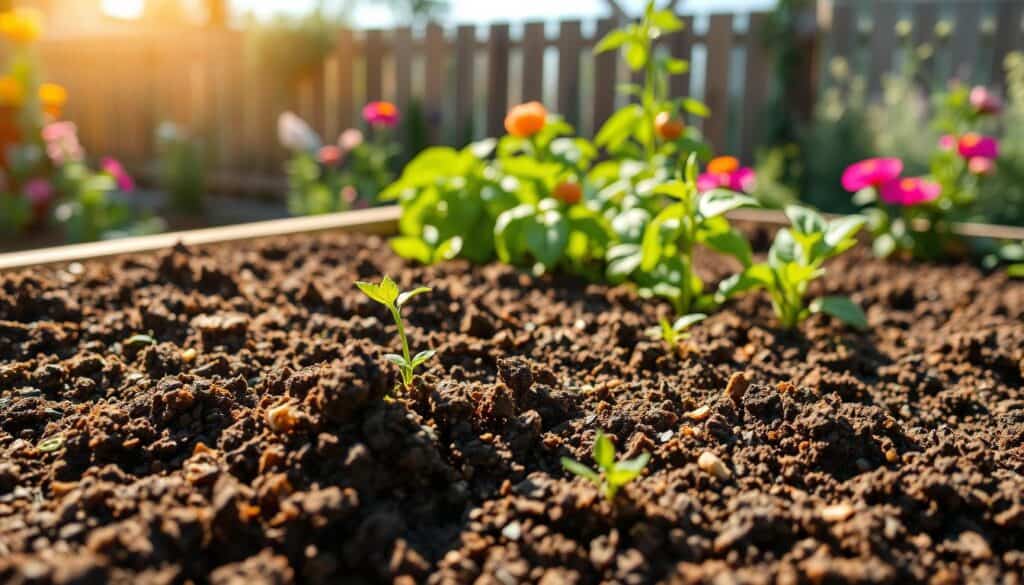
Here are our top picks for a garden soil blend that performs well:
- Mel’s Mix: This mix is a classic. It has compost, peat moss, and coarse vermiculite. It’s seen as the top choice for raised bed gardens.
- Organic Compost-Heavy Blend: Great for leafy greens, this mix focuses on organic matter. It acts as a natural fertilizer, supporting growth for months.
- Raised Bed Potting Soil Mix [1]: Made for containers and beds, this blend drains well. It prevents soil from getting too dense, which is good for root veggies.
- Peat-Free Sustainable Mix: This mix uses coconut coir instead of peat moss. It holds water well and supports green gardening.
- Custom Mineral-Rich Blend: Adding rock dust or greensand makes the soil mineral-rich. This is best for gardeners who want to grow flavorful tomatoes and peppers.
Choosing the right mix depends on your local climate and what you’re growing. These high-quality options ensure your garden stays productive. Investing in the right soil now saves you time and effort later.
Essential Ingredients for Optimal Soil Structure
To get the best soil, you need a mix of special organic materials. Preparing your garden soil is like building a home for your plants’ roots. A balanced mix lets your veggies get the nutrients and air they need to grow well.
For top-notch garden loam, you need to mix several key items. Each one helps with keeping moisture and letting water drain. The right soil mix for raising beds stops soil from getting too hard and helps roots grow strong.
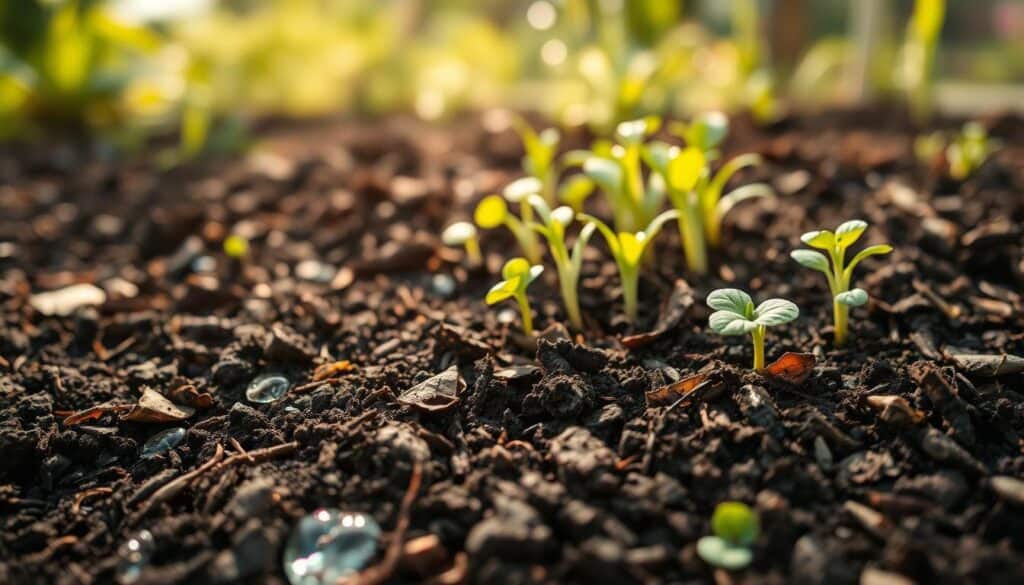
Here are the must-haves for your garden:
- Peat moss or coconut coir: These keep the soil moist but light.
- Perlite and vermiculite: They add air and stop the soil from getting too thick.
- Compost: It’s the heart of your garden, giving nutrients and good microbes.
- Topsoil and coarse sand: They’re the foundation, giving stability and good drainage.
Organic garden soil works best when these parts work together. Mixing compost with topsoil makes a rich environment. Adding coarse sand helps water drain, which stops roots from rotting in raised beds.
Knowing how these ingredients work together is key to gardening success. Whether you pick peat moss or coconut coir, aim for a soft, airy soil. The right mix of vermiculite and perlite keeps your soil structure perfect all season.
Calculating Your Needs with a Raised Bed Soil Calculator
A raised bed soil calculator makes planning your garden easier. Just enter your dimensions to find out how much soil you need. This way, you avoid running out of soil or having too much left over.
First, measure the length, width, and raised bed depth of your bed. Most calculators use these to estimate the cubic yardage. Having the right amount of raised bed soil helps your plants grow strong roots.
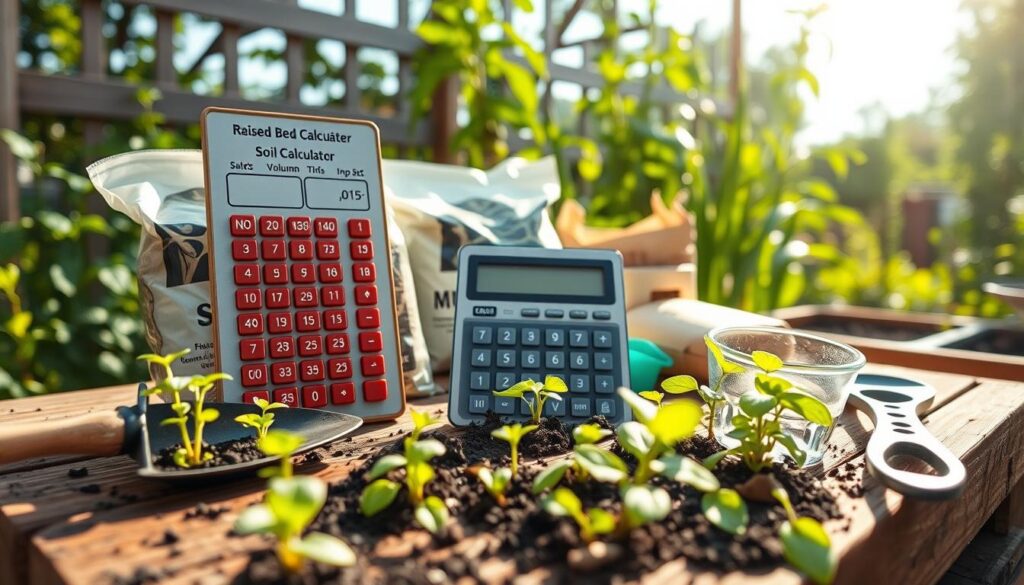
When picking your raised bed filler, think about the total volume needed. Buying in bulk can save money if you need a lot. Remember, organic materials settle over time, so plan for that.
Getting the right garden soil ratio is key for good drainage and nutrient retention. A mix of compost, topsoil, and aeration materials like perlite or vermiculite works well. Here’s how to measure correctly:
- Measure the interior length and width of your bed in feet.
- Determine the desired depth, usually between 8 and 12 inches for most vegetables.
- Multiply length by width by depth to find the total cubic feet.
- Divide the total cubic feet by 27 to convert your result into cubic yards.
Proper measurement is the key to successful raised bed gardening soil management. By calculating your needs, you save money and create a great growing space. This careful planning leads to a successful gardening season.
The Science of Nutrient-Rich Soil for Vegetable Production
High vegetable production begins with the science in your soil. A top-notch nutrient-rich soil mix is like a biological engine for plants. It lets roots grow well and get the minerals they need.
For a fertile base, focus on your vegetable garden soil quality. Aged manure gives slow nitrogen, and worm castings bring microbes for soil nutrients. Together, they make a living ecosystem for your plants.
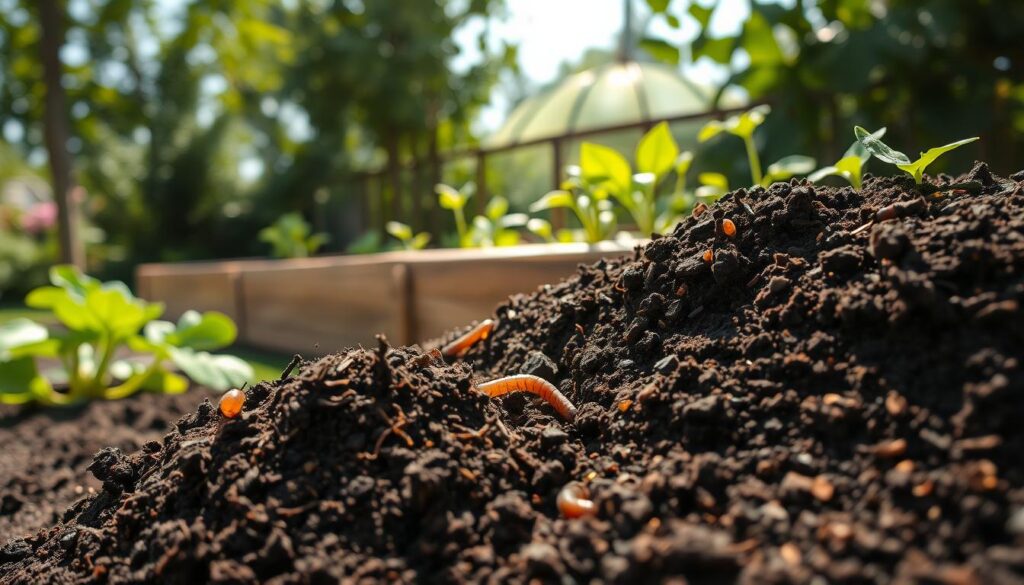
Quality compost is key for garden beds. It’s like a sponge, boosting water retention in roots. This keeps your crops safe from heat stress in summer.
This method keeps your nutrient rich soil productive over time. It balances organic matter and air for a cycle of fertility. Your garden will grow stronger plants, fewer pests, and bigger harvests.
DIY Soil Mix Recipes for Specific Vegetable Types
Creating the perfect homemade soil is rewarding. It helps your vegetables grow well all season. By choosing your ingredients, you make a diy soil mix that meets your plants’ needs. This method saves money and lets you tailor your potting mix for your garden.
For the base, pick between peat moss and coconut coir. Peat moss is acidic and traditional. Coconut coir is sustainable and pH-neutral, easy to rehydrate. Both are great for soil mix for raised beds.
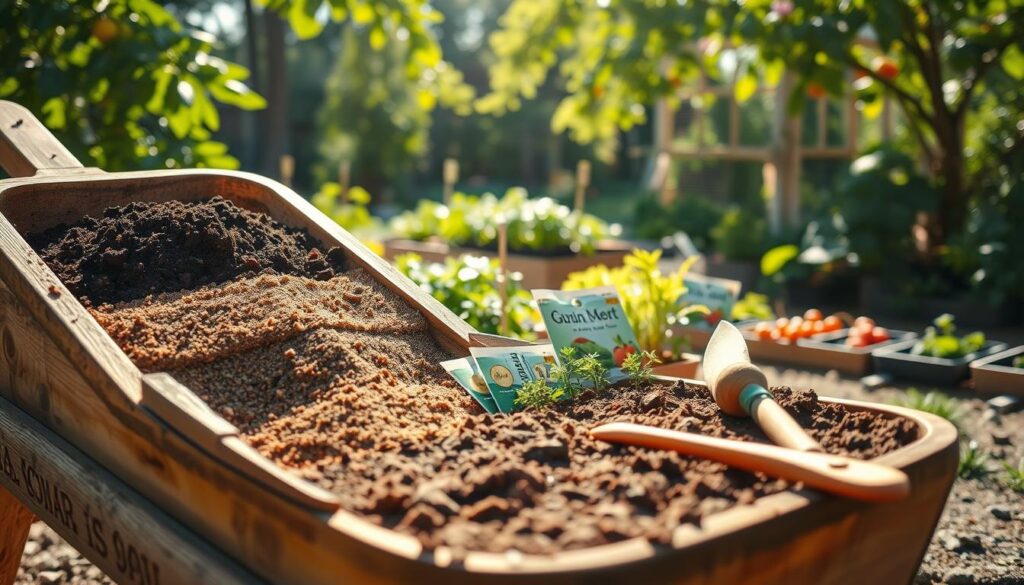
Leafy greens like lettuce and spinach need nitrogen for fast growth. For these, increase the compost in your mix. Here’s a recipe:
- 40% high-quality compost
- 30% coconut coir or peat moss
- 20% perlite for aeration
- 10% worm castings for nutrients
For tomatoes and squash, add more phosphorus and potassium. These raised bed recipes should be denser. Here’s a mix for them:
- 50% aged compost or manure
- 25% coconut coir
- 15% coarse vermiculite
- 10% organic slow-release fertilizer
Adjusting these ratios ensures your garden gets the right care. Making your own blends is the best soil recipe for success. These easy steps help keep your garden thriving year-round.
Sustainable Gardening Practices for Long-Term Soil Health
Keeping a garden healthy for years takes more than just starting it. It needs a long-term focus on soil health. By using sustainable gardening practices, your garden stays lively and productive. These methods create a strong base for plants to grow well without needing constant help.
Choosing organic gardening is a smart way to care for your garden. Instead of using chemical fertilizers, add compost, leaf mold, and organic materials. This method cuts down on chemicals and keeps your local environment safe.
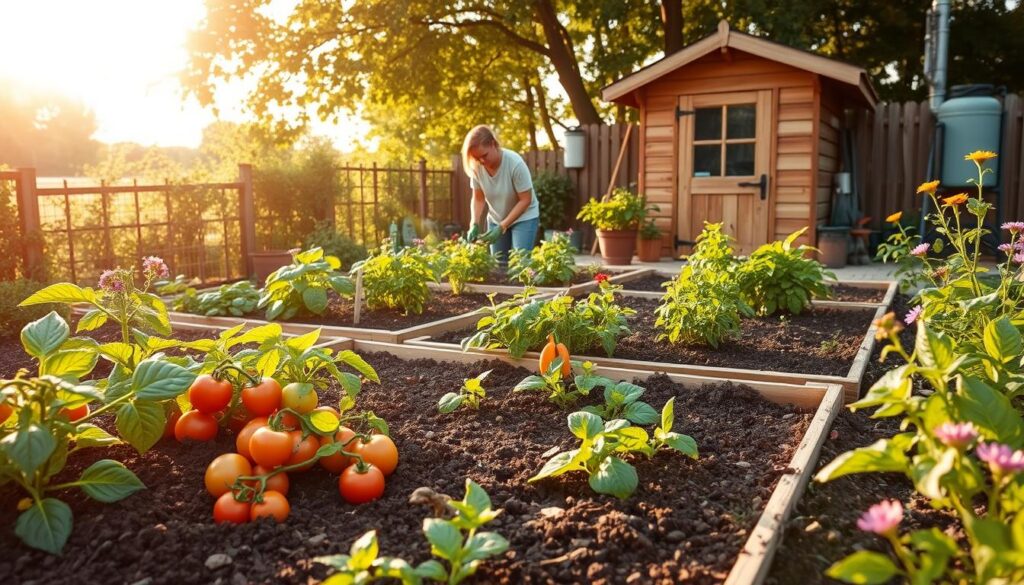
Healthy soil has lots of beneficial microbes. These tiny helpers break down nutrients for your plants. By avoiding harsh chemicals, you let these microbes grow. This creates a balanced ecosystem in your raised bed gardening area.
To keep your garden thriving, follow these key habits for sustainable gardening:
- Apply organic mulch to keep moisture in and weeds out.
- Rotate your crops yearly to avoid nutrient loss and pest problems.
- Add homemade compost to enrich the healthy soil.
- Use natural pest control to keep your garden safe and chemical-free.
By focusing on sustainable gardening practices, you turn your land into a productive haven. Regular care means better crops and a stronger bond with your raised bed gardening. Choosing organic gardening is the best way to keep your plants healthy and productive all year.
Common Mistakes When Filling Your Raised Garden Bed
Filling a new planter box is more than just dumping dirt. Many beginners use low-quality topsoil that lacks nutrients. Using heavy garden soil instead of raised bed soil mix can cause roots to suffocate and drainage issues.
Another mistake is not layering materials correctly. When learning how to fill raised beds, skipping the base layer or using fast-decomposing materials is common. This can make the soil level drop, leaving plants in a sunken container.
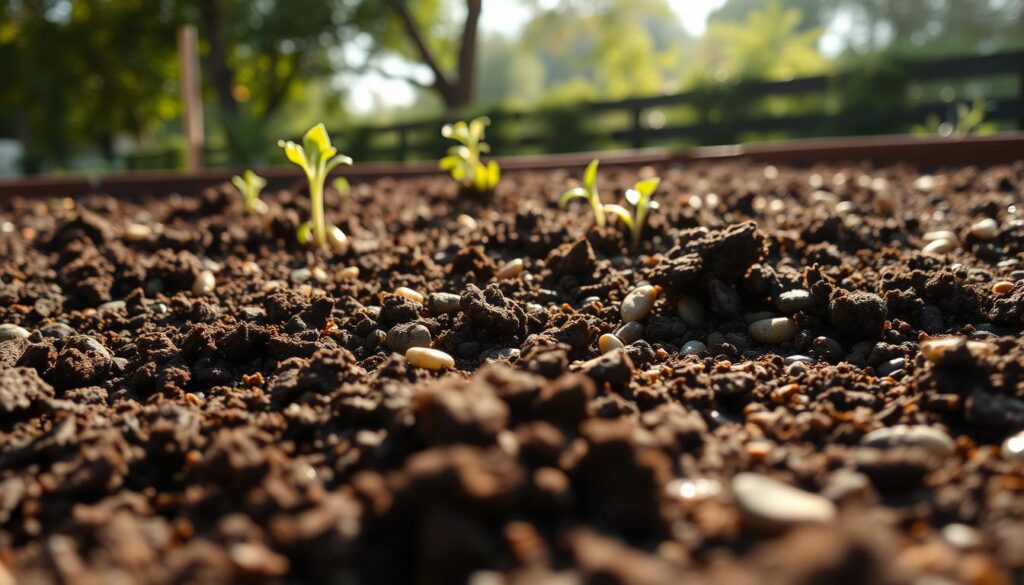
To keep your raised garden bed productive, follow some simple best practices. Avoiding these mistakes will save you time and effort in the long run.
- Avoid using heavy clay soil which prevents proper aeration and water movement.
- Layer organic matter correctly to provide a steady supply of nutrients to your plants.
- Fill your raised planter box to the top, as the soil will naturally settle over the first few weeks.
- Use a high-quality mix designed for container gardening to ensure optimal drainage.
By preparing your filling garden beds process carefully, you create a thriving environment for roots. A well-constructed raised garden bed is key for a bountiful harvest. Remember, the quality of your raised bed soil is the most important investment for your raised planter box.
Managing Soil Compaction and Drainage Issues
Healthy plants need loose, well-draining soil to grow well. When your garden soil gets too dense, it stops roots from growing and getting nutrients. This problem, called soil compaction, leads to bad drainage and slow growth.
To fix these issues, you need to improve soil aeration. Adding perlite and vermiculite helps make air pockets in your topsoil. These light minerals stop the soil from becoming hard and solid.
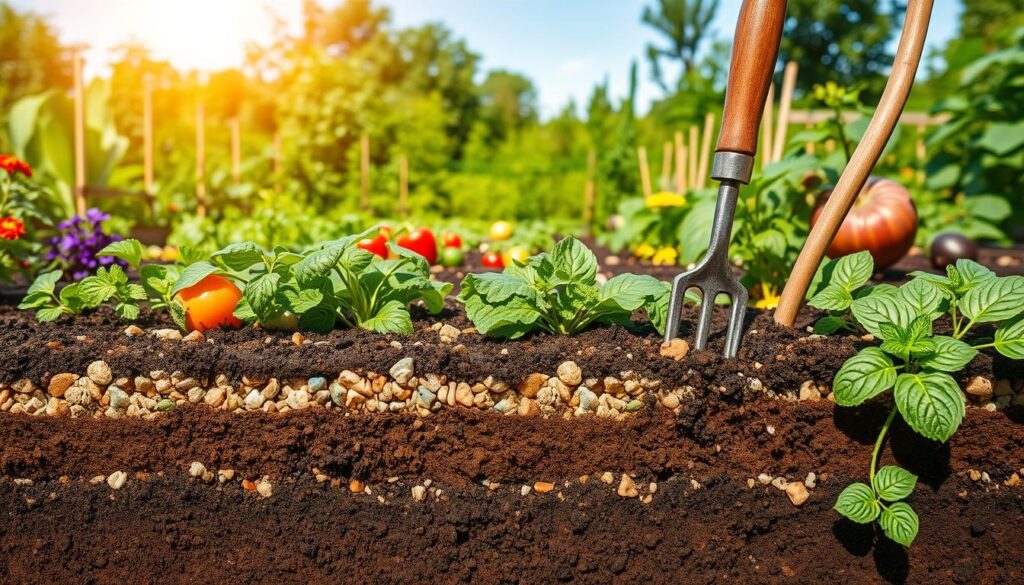
Using these additives keeps your garden soil light and open. Good aeration lets oxygen reach the roots, helping plants grow strong. Regular use of perlite and vermiculite keeps your raised bed healthy every year.
Keeping your topsoil quality up is key to right moisture levels. If water stays on the surface, it can cause root rot. Here are some easy tips to follow:
- Avoid walking on your raised beds to prevent unnecessary soil compaction.
- Mix in organic compost annually to improve the structure of your topsoil.
- Ensure your bed has adequate drainage holes or a permeable base.
- Monitor moisture levels regularly to adjust your watering schedule.
Seasonal Maintenance and Soil Amendment Strategies
Seasonal maintenance keeps your vegetable garden soil productive all year. By following these raised bed gardening tips, you can keep nutrients flowing and soil structure perfect. Healthy vegetable garden soil is key for your plants to grow well.
Refreshing your beds between plantings is essential. Clear out old roots and loosen the top soil gently. This step stops pathogens and lets new plants grow strong roots.
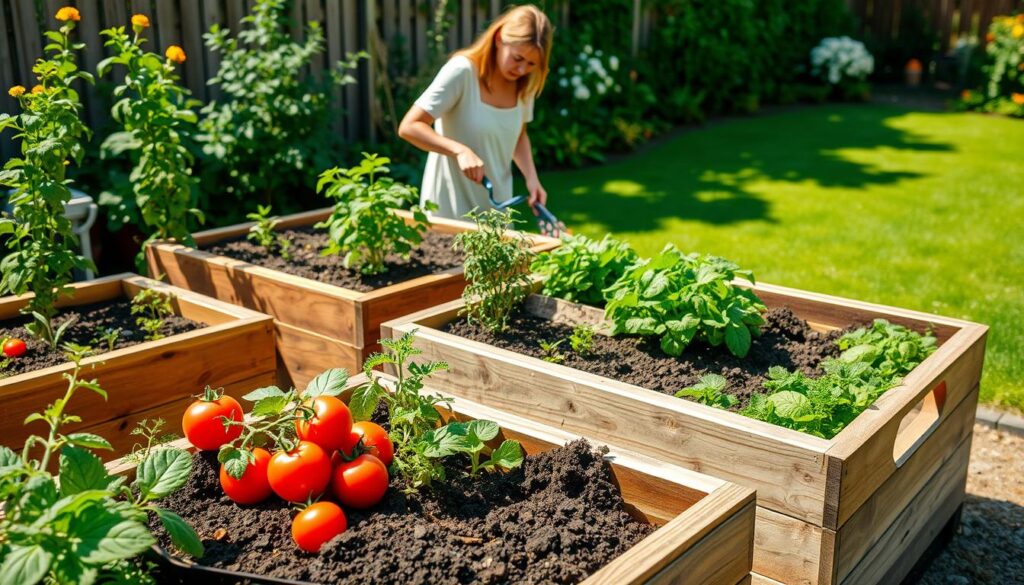
Soil needs regular amendment to replace nutrients plants use. Adding compost or aged manure boosts water and air in the soil. Consistent maintenance ensures your garden yields well every season.
When picking a fertilizer, choose one that helps soil health over time. An organic fertilizer is great for vegetable beds. It gives nutrients slowly and boosts soil life. Here’s what to do seasonally:
- Remove debris and spent plants after each harvest.
- Add two inches of fresh compost to the top soil layer.
- Use a balanced organic fertilizer based on your next crop’s needs.
- Mulch the surface to protect soil from erosion and temperature changes.
Sourcing High-Quality Gardening Supplies in the United States
Starting a garden means getting the best supplies in the United States. Using high quality compost and top-notch amendments gives your plants what they need. It’s key to pick the right gardening supplies for a safe veggie garden.
Look for trusted suppliers who are open about their ingredients. When buying organic garden soil, make sure it’s certified. This means it’s free from harmful chemicals and metals. This keeps your organic raised bed soil safe for your family and the environment.
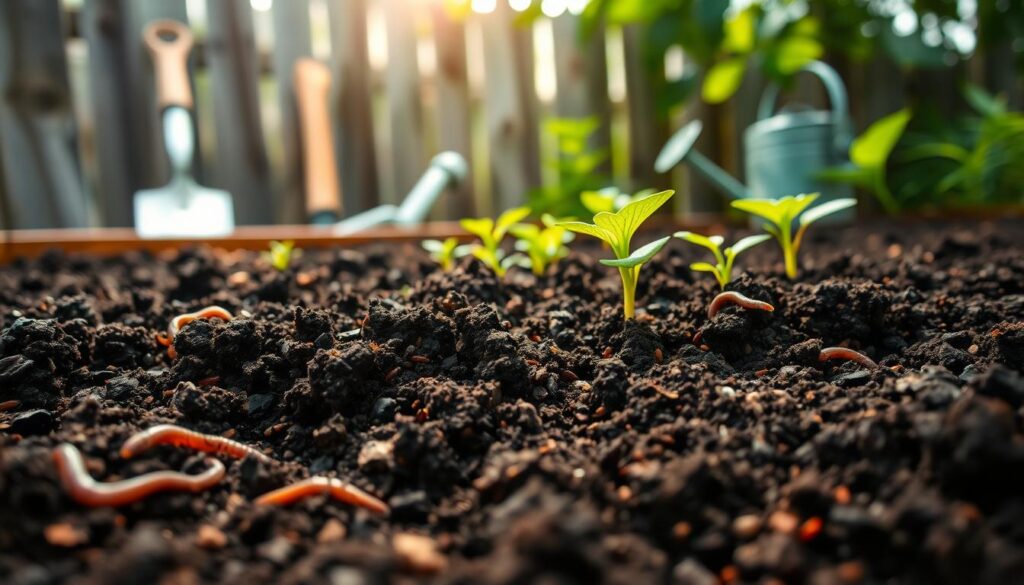
Many gardeners get great results from local nurseries or specialized suppliers. These places offer garden products that fit your area’s climate. Think about these points when choosing a supplier:
- Make sure all organic garden soil has an OMRI-listed label.
- Find out where the high quality compost comes from to ensure it’s ready.
- Read what other customers say to see if the garden products are reliable.
- Choose companies that give detailed lists of what’s in their organic raised bed soil.
Buying the best gardening supplies saves you trouble later. It keeps your garden healthy and productive. Doing your homework on suppliers is what makes a gardener successful.
Conclusion
Building a thriving garden starts with the earth beneath your feet. You now have the knowledge to create a nutrient-rich environment. This supports vigorous plant growth.
Focusing on high-quality soil is the most effective way to boost your vegetable yield. Proper preparation turns a simple backyard plot into a productive sanctuary for your favorite crops.
Successful vegetable gardening requires patience and consistent care. Start with a small bed to test your mix and observe how your plants respond to the improved conditions.
Growing vegetables becomes a rewarding hobby when you prioritize the health of your soil. You will notice the difference in both the flavor and the size of your harvest.
Take these strategies into your backyard this season. Your commitment to quality ingredients and smart maintenance will lead to a bountiful harvest. You can share it with family and friends.