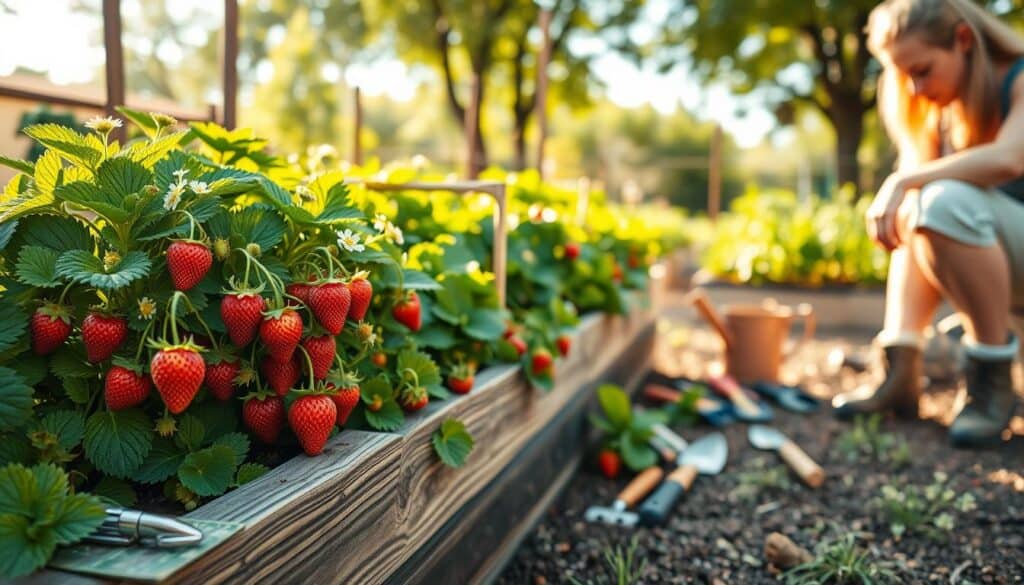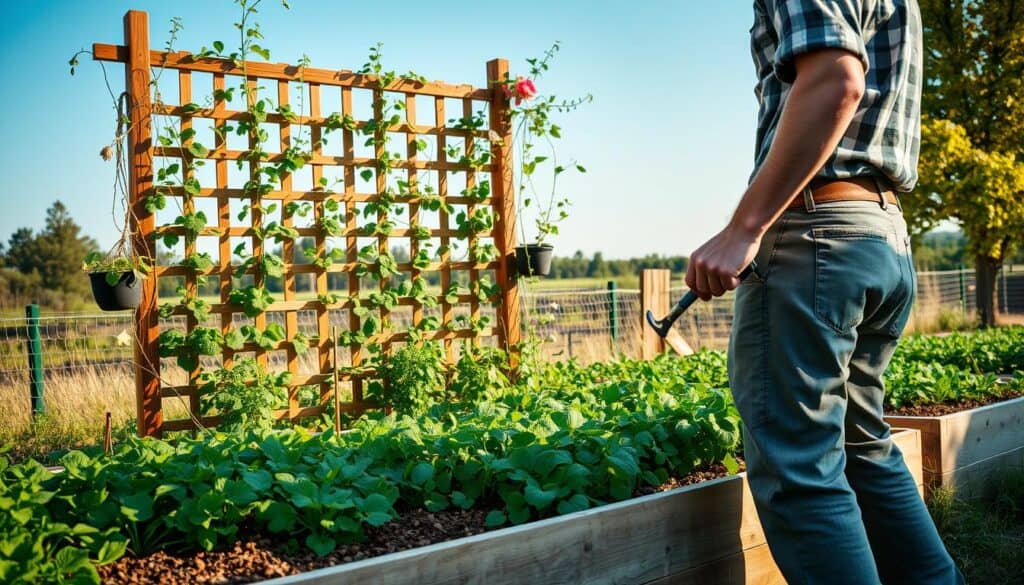
Watching your fresh veggies vanish overnight is really frustrating. You work hard to plant and water them, only to see wildlife eat them all. But, you can keep pests away without harming them using simple, humane methods.
To protect your garden, use physical barriers and clever deterrents. These methods help your plants grow well all season. They also keep your backyard balanced. By picking the right materials, you make a safe place for your food to grow.
This guide shows you how to stop pests from eating your plants. We focus on affordable solutions that really work. Using these tips, you can take back your garden and enjoy your harvest.
Visit The Marketplace or grab your Free Garden Starter Kit
Understanding the Wildlife Threat to Your Raised Beds
Protecting your vegetable garden from wildlife starts with knowing who’s causing trouble. When you see critters in raised beds, it’s natural to feel upset. But, identifying the pests is the first step to success. Good squirrel and rabbit deterrents depend on knowing which animals are in your yard.
Ever wonder what eats your plants in raised beds? Usually, it’s tree squirrels or hungry rabbits looking for food. Seeing squirrels munch on your veggies is common. These smart animals can quickly destroy your harvest. To control pests, you need to watch the damage they cause.
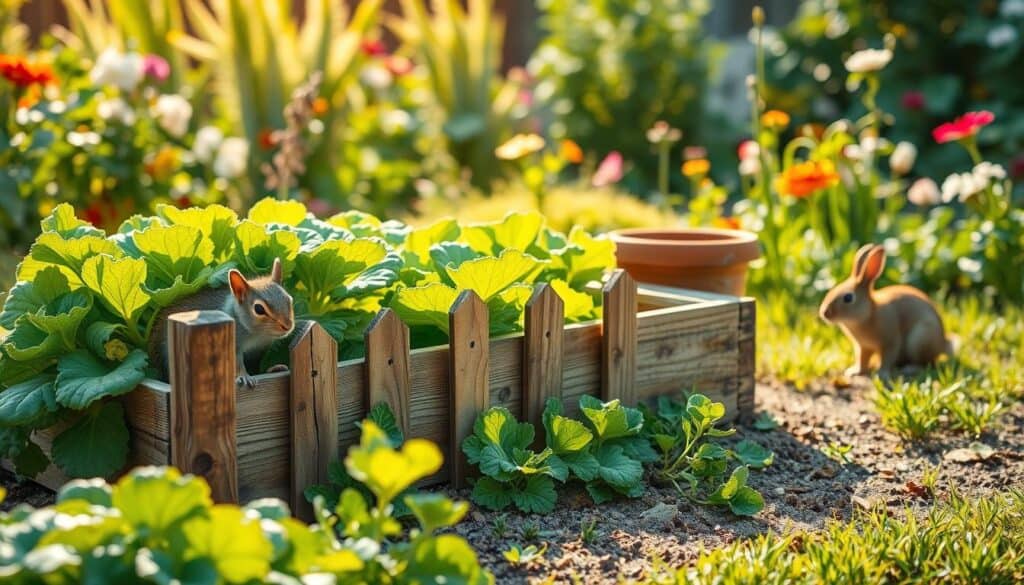
If you spot wild bunnies eating lettuce, you’re facing rabbit damage. Many people ask, how to keep rabbits from eating my garden? Using fences or scent barriers can help save your greens from being eaten.
Keeping animals out of raised beds is a process of trial and error. Whether it’s chipmunks, rabbits, or bigger pests, being consistent is crucial. Proactive observation helps you stop these visitors before they ruin your garden.
Physical Barriers for Raised Bed Garden Protection
Building a strong defense for your plants starts with the right barriers. Investing in raised bed garden protection means your hard work will pay off. You won’t have to worry about wildlife eating your crops. These methods keep out persistent pests.
Hardware cloth for raised beds is a top choice. It’s a metal mesh that stops rabbits and other animals from digging under. By putting it at the bottom of your beds, you make a strong barrier that lasts.
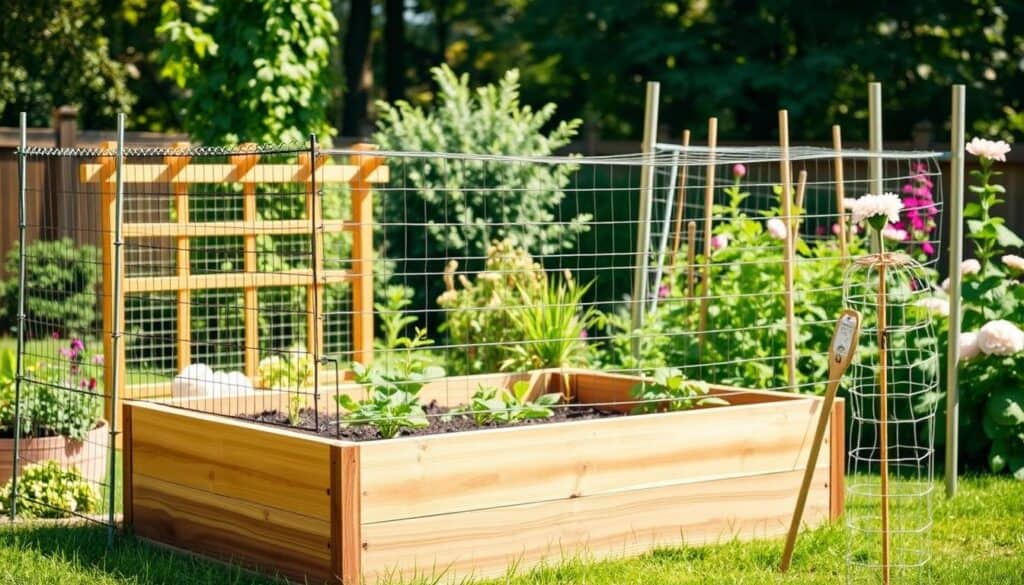
For protection above the soil, squirrel netting for garden and pest netting for raised beds are great. These materials keep birds and squirrels away while letting plants breathe. They offer many benefits:
- Optimal Sunlight: The mesh lets your veggies get all the sun they need.
- Airflow: It keeps air moving, preventing mold and keeping plants healthy.
- Easy Access: Many nets are easy to take off when it’s time to pick your crops.
- Durability: Good netting lasts long and resists damage.
Protecting your vegetable garden is easier when you use both base and top protection. This way, you have a strong defense system. It’s one of the easy ways to protect garden from pests without using harsh chemicals or complicated traps.
Building Custom Covers and Lids
Creating a DIY raised bed cover is a great way to protect and style your garden. You can make it a squirrel proof raised bed that fits your garden perfectly. This way, you can choose the height and materials based on your local weather.
If you’re growing tall veggies like tomatoes or peppers, a hoop house for raised beds is a smart choice. You can make these using flexible PVC pipes or metal conduit bent into arches. They give your plants enough room to grow while keeping animals out.
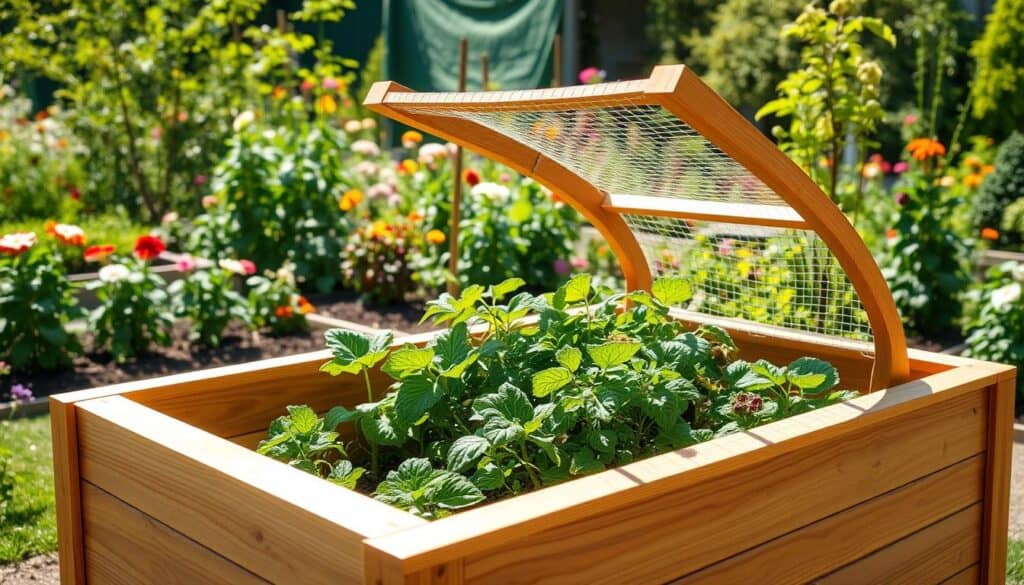
Many gardeners like adding a raised bed hinged lid for easy access. This lets you quickly open the cover for watering, weeding, or harvesting. Efficiency is key in a busy garden, and a hinged lid saves you from lifting heavy panels often.
To complete your project, use a top-notch garden bed mesh cover to cover the frame. This material acts as a secure barrier that keeps squirrels and rabbits out. It also lets sunlight and rain in. By combining these, you create a safe space for your veggies to grow.
How to Protect a Raised Bed Garden from Squirrels and Rabbits Using Fencing
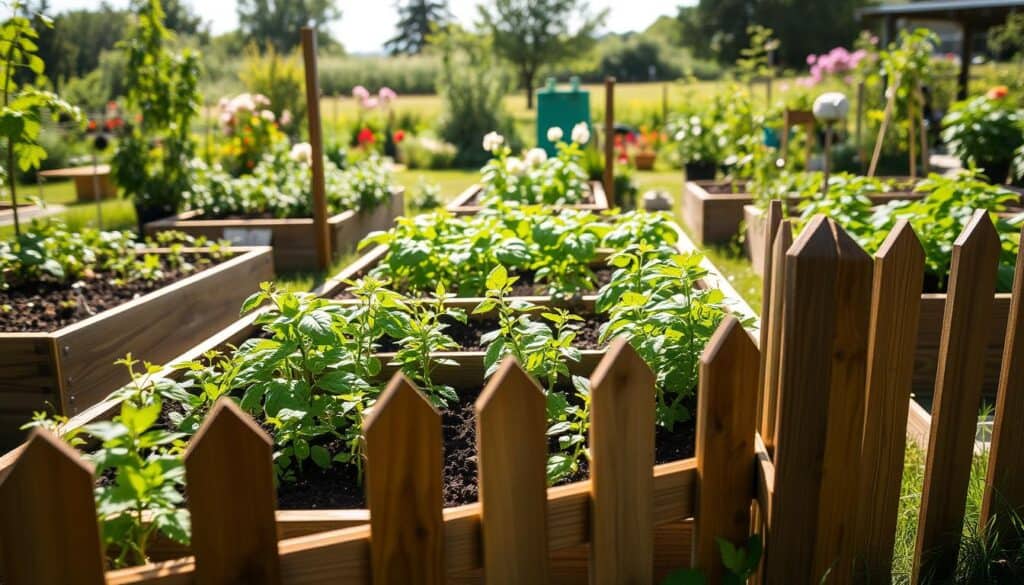
If wild bunnies keep eating your lettuce, it’s time for a fencing solution. High-quality raised bed garden fencing is the best way to keep rabbits and squirrels out. This physical barrier keeps your garden safe from local wildlife.
To make a rabbit proof raised garden bed, pick the right materials. Chicken wire is common, but hardware cloth for raised beds is stronger. It’s hard for squirrels to chew through, offering long-lasting protection for your veggies.
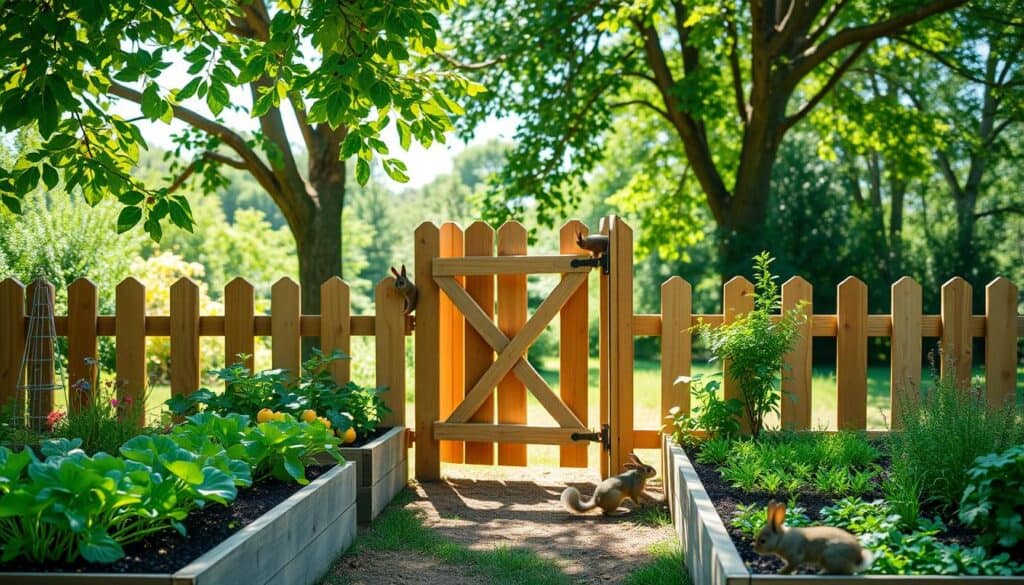
For a chicken wire garden fence, height matters. Your fence should be 24 to 36 inches tall to stop rabbits from jumping. Here are some tips for a successful installation:
- Secure the base: Make sure the wire is tight against the wooden frame.
- Use heavy-duty staples: Keep the mesh tight to prevent sagging.
- Add a top rail: This adds strength to your fence.
- Check for gaps: Small holes can let pests through.
To build a rabbit proof garden, don’t forget about the ground. Just fencing the top isn’t enough, as rabbits can dig. By burying chicken wire for rabbits six inches deep, you stop them from digging under your garden.
Many people wonder, “how do i stop rabbits from eating my garden?” The key is to use these barriers and maintain them. Regularly check your fence for damage or loose spots to keep your plants safe all season.
Natural Scent Deterrents for Garden Pests
You can manage garden pests with natural scent deterrents. These methods are gentle and non-toxic. They help protect your harvest from pests. They also keep your family and pets safe.
Many gardeners use coffee grounds to keep squirrels away. Sprinkle fresh grounds around your plants. It’s a simple way to stop squirrels from digging in raised beds.
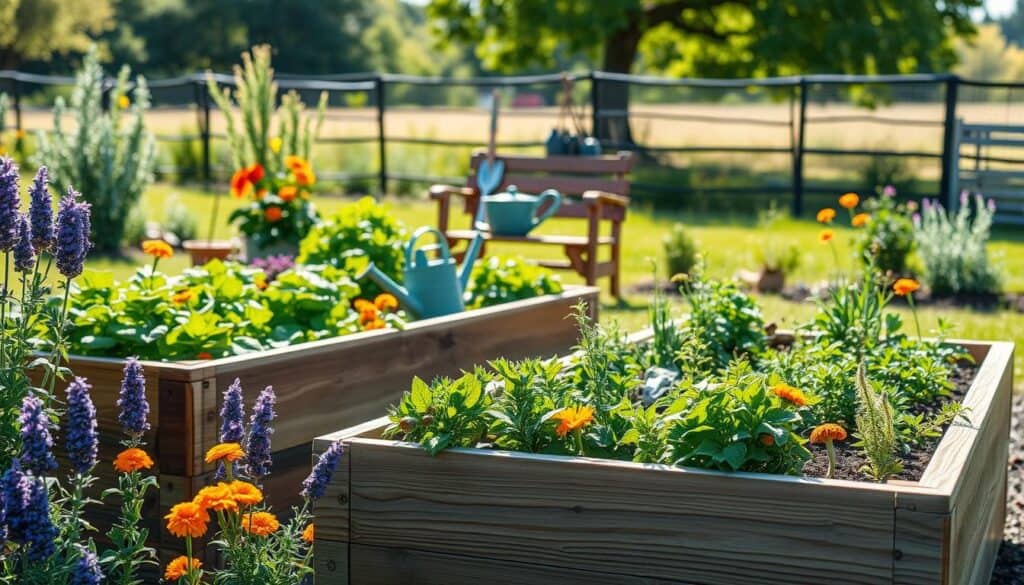
Essential oils can also keep pests away. Peppermint or eucalyptus oils are strong repellents. Apply them around your garden to keep pests out.
Hot pepper spray is great for keeping rabbits away. It makes your plants taste bad to rabbits. Reapply after rain to keep it effective.
Make your own squirrel deterrent spray to protect your greens. These sprays are good all season. Switching them up keeps your garden healthy and pest-free.
Companion Planting Strategies for Pest Management
Planting strategically can protect your garden. Companion planting for pest control helps keep wildlife away from your crops. It’s a natural way to manage pests in your raised beds.
Adding rabbit resistant plants to your garden is wise. These plants have textures or tastes that wildlife doesn’t like. They act as a barrier, keeping pests away from your favorite vegetables.
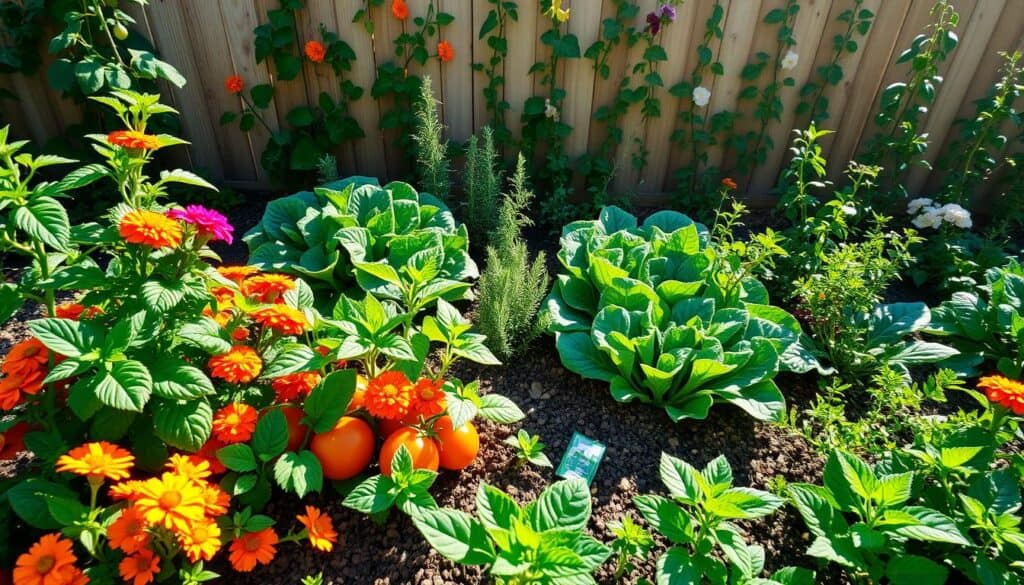
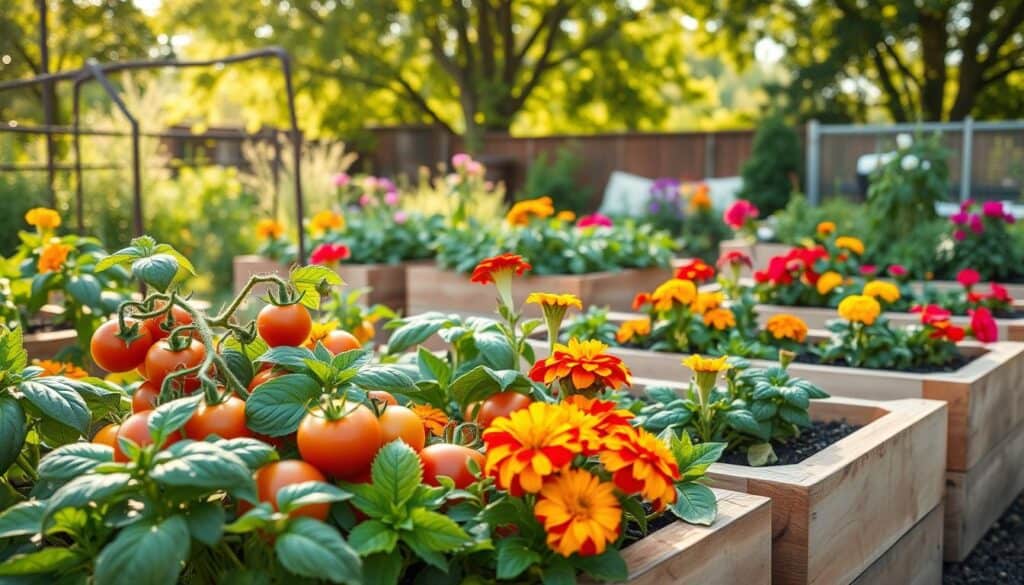
Marigolds are great for keeping rabbits away because of their strong smell. These flowers are not only beautiful but also protect your garden. Plant them around the edges to keep pests out.
Herbs like mint, rosemary, and lavender can also help. Their strong smells confuse squirrels, making your garden less appealing. Plant these herbs around your raised beds for a fragrant barrier.
Onion and garlic are also effective. They release sulfur compounds that hide the scent of your vegetables. Planting these bulbs among your crops can keep pests away.
- Use marigolds to create a colorful, protective perimeter.
- Plant aromatic herbs to confuse and deter curious squirrels.
- Incorporate onions and garlic to mask the scent of tender greens.
- Mix resistant varieties to build a multi-layered defense system.
Advanced Technology for Wildlife Exclusion
Want to protect your garden better? Think about using smart technology. Modern wildlife exclusion for garden beds has cool ways to keep pests out. These tech solutions give your garden a strong, automated defense.
A motion-activated sprinkler is great for scaring off pests. It surprises squirrels and rabbits with a quick water spray. Consistency is key, as these devices watch your garden all day, every day, without needing you.
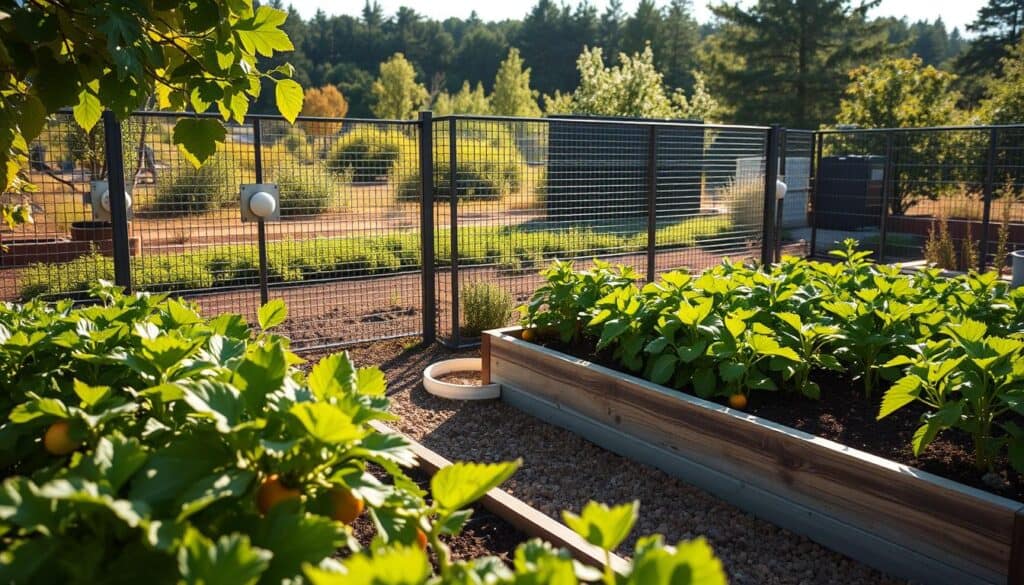
To get the best results, use these electronic tools with physical barriers. A hoop house for raised beds makes a solid frame that keeps animals out. You can also put squirrel netting for garden areas over it for extra protection.
This mix of tech and physical barriers keeps even the most determined critters away. By using advanced technology with traditional barriers, you make a safe space for your veggies to grow. These investments will save you time and stress all season long.
Protecting Vulnerable Seedlings and Young Plants
Ever walked out to find your tiny sprouts missing? It’s frustrating when hungry garden visitors get to them first. Seedlings are very delicate and need extra care to survive. Protecting your vegetable garden from wildlife in these early days is key to a good harvest.
Many gardeners face the sadness of seeing their hard work gone in one night. Animals digging up seedlings can ruin a whole season before it starts. To protect seedlings from animals, act fast when the first green shoots show above the soil.
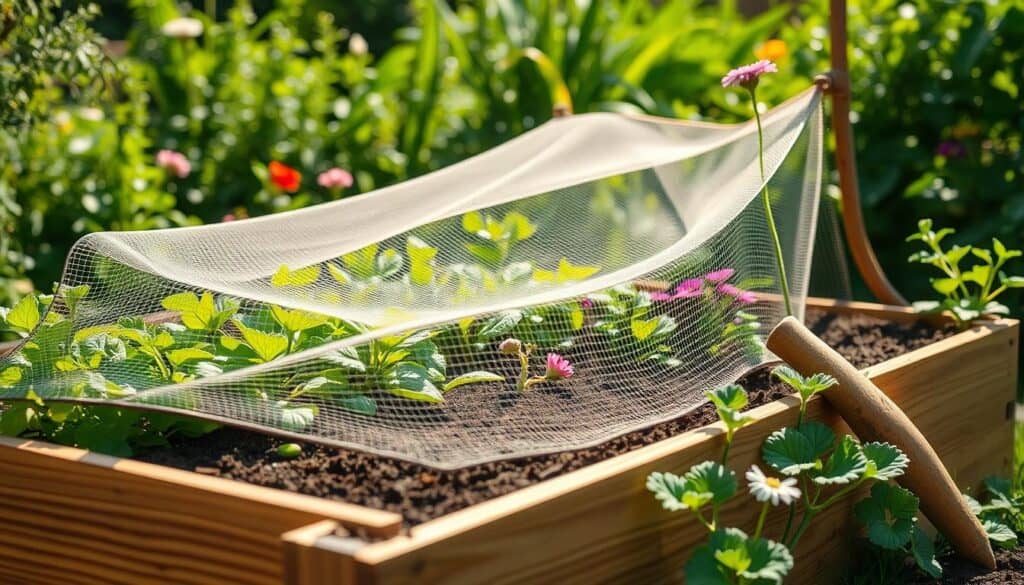
The best way is to put a garden bed mesh cover over your raised beds. This barrier keeps pests out while letting sunlight, air, and water in. Using a mesh screen creates a safe space until your plants grow strong enough to handle minor nibbling.
By focusing on these early protection steps, you give your plants the best start. Keep an eye on them in the first few weeks for a thriving garden. Strong, healthy seedlings are the base of a productive and lovely raised bed garden.
Organic Maintenance and Garden Hygiene
A clean garden is your best defense against pests. Organic raised bed gardening means more than just planting. It’s about keeping your garden clean and safe.
Many gardeners struggle with animals digging up seedlings at night. To stop this, remove fallen fruit and decaying leaves. These attract pests and harm your plants.
Checking your raised bed garden fencing often is key. Even a small hole in your chicken wire garden fence can let pests in. Safe garden pest control means your fences must be strong and intact.
Adding a natural organic pest deterrent helps too. A tidy garden has fewer places for pests to hide. With clean spaces and strong fences, your plants will grow well.
DIY Critter Repellent Recipes
Managing garden pests doesn’t need to be expensive or harsh. Making your own DIY critter repellent is a smart and fun way to protect your garden. You can use common household items to keep your garden healthy and pest-free.
To protect garden from rabbits, a spicy homemade mix works best. Rabbits don’t like strong smells. Mix water, cayenne pepper, and a bit of dish soap to make a hot pepper spray for rabbits.
Strain the mix and put it in a spray bottle. Spray it on your plants, especially after rain. This scent deterrent for rabbits works well. But, remember, burying chicken wire for rabbits around your garden is the best way to keep them out for good.
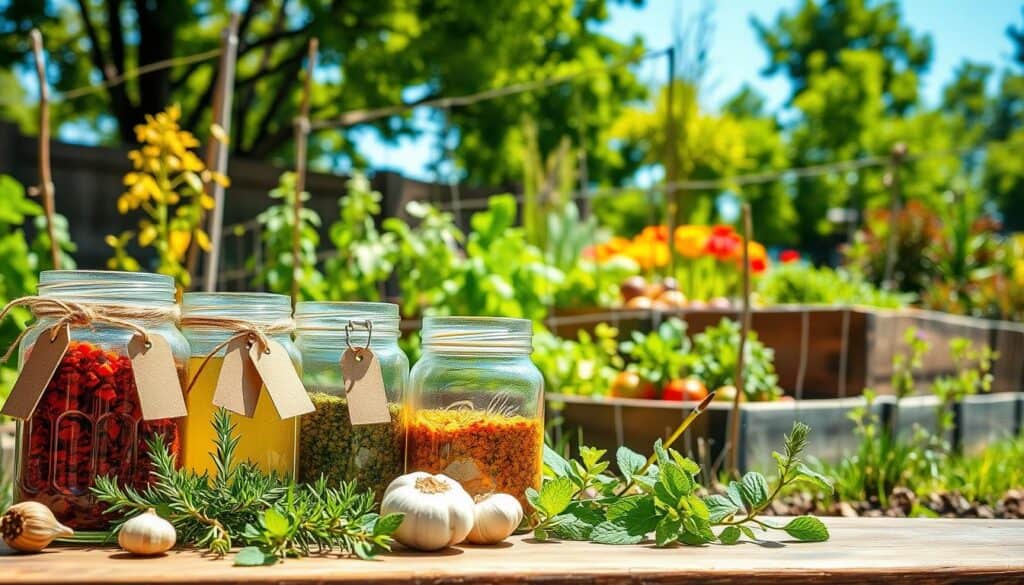
Squirrels can be a problem too. But, they don’t like strong smells either. Many gardeners use coffee grounds for squirrels to keep them away. Just sprinkle used coffee grounds around your plants.
For a more flexible solution, try a squirrel deterrent spray with essential oils. These oils are strong natural animal repellents that work against many pests. Here are some good combinations for your garden:
- Peppermint Oil: Its refreshing scent is a strong rodent repellent for garden areas.
- Garlic and Onion: Mixing these with water creates a smell pests don’t like.
- Clove Oil: It’s great for keeping small mammals away when mixed with a carrier oil.
- Eucalyptus Oil: A good choice for your essential oils for garden pests collection.
Always test your homemade sprays on a small area first. This ensures your plants won’t react badly. By changing up your scents, you can keep pests guessing and your garden productive all season.
Common Mistakes When Squirrel-Proofing Raised Beds
Even the most dedicated gardeners often struggle with critters in raised beds. You might think your setup is secure, but small gaps can invite unwanted guests. To keep animals out, you need a keen eye for detail and a proactive mindset.
One common error is failing to secure the raised bed fencing. If the mesh doesn’t reach deep enough, pests can dig underneath. Always bury your wire mesh at least six inches deep to stop burrowing animals.
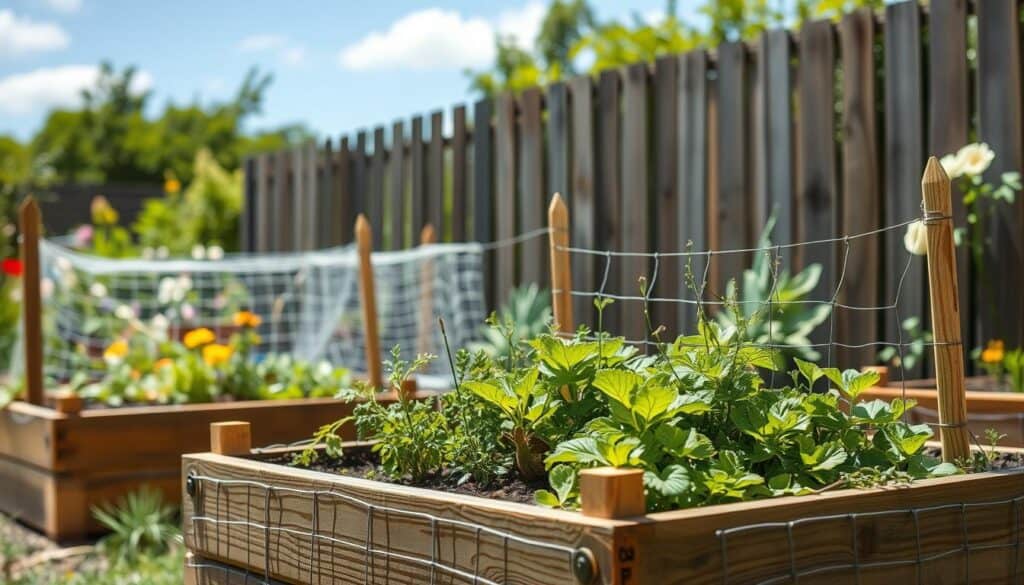
Another mistake is leaving soil exposed, which invites digging. Bare patches make it easy for squirrels to bury caches or search for bulbs. Mulch or hardware cloth covers can help keep squirrels out.
Many gardeners underestimate tree squirrels’ agility. These animals can jump far, making low fences ineffective. To keep squirrels out, install full-coverage lids or netting that prevents aerial access.
Identifying what eats your plants is key to solving the problem. If you see rabbit damage, you might have multiple pests. To keep chipmunks and rabbits out, use a multi-layered approach.
Don’t ignore garden hygiene. Leaving fallen fruit or vegetable scraps near your beds attracts pests. By keeping your space clean, you reduce the temptation for squirrels and other pests.
- Ensure your raised bed fencing is buried deep to stop digging.
- Use sturdy covers to block access for tree squirrels in garden areas.
- Keep the area around your beds clear of food scraps.
- Monitor your garden daily to spot early signs of pest activity.
Conclusion
Squirrel-proofing raised beds needs creativity and effort. A strong DIY cover and natural repellents can keep your food safe. A hinged lid on your raised bed is a quick fix to keep pests out.
Keeping wildlife out of your garden is a game of strategy. A motion-activated sprinkler can scare off pests without harm. Planting marigolds to keep rabbits away or using herbs to repel squirrels adds a fragrant barrier.
Effective pest control comes from watching and adjusting. Using onion and garlic in your soil keeps pests away while keeping it healthy. These methods ensure your garden’s hard work pays off with a bountiful harvest.
Organic gardening thrives with natural protection for your veggies. Try a homemade repellent or choose plants that rabbits don’t like. A layered defense that changes with the seasons is key to a successful garden.
Companion planting is essential for a healthy garden. Share your successes or ask about your garden’s challenges. Start your journey to a pest-free harvest with these simple steps today.