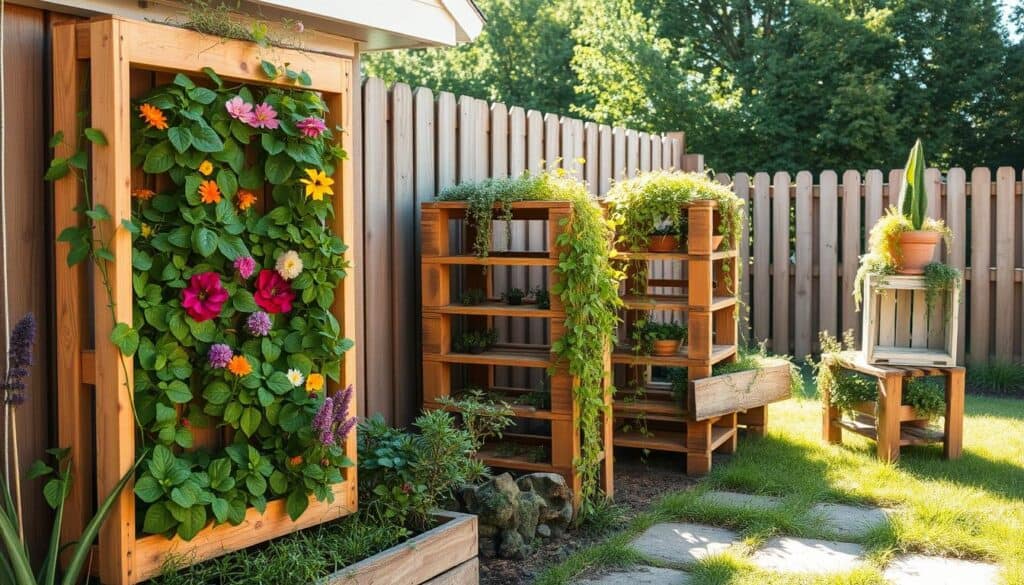
Turning your backyard into a lush oasis doesn’t need to break the bank. Many people find that DIY Garden Trellis Ideas That Cost Almost Nothing to Build are perfect for boosting their garden. And if you live in a warmer climate, you can utilize your trellis all year long. These simple supports help climbing plants and veggies grow. And if you live in a warmer climate like I do, these trellises can be used all year long for both vegatables and flowers.
Building a diy garden trellis lets you double garden space without adding square footage. It could also be built just about anywhere, even a small patio or condo balcony. Vertical gardening makes your crops flourish while keeping paths clear. It’s great for small spaces in cities or suburbs.
You can use old branches, twine, or scrap wood to make beautiful trellises. These projects are easy for beginners and look amazing. Begin your gardening adventure today with these creative ideas. They’ll help you grow your garden while saving money.
Visit The Marketplace or grab your Free Garden Starter Kit
The Benefits of Vertical Gardening in Small Spaces Is Gaining Attraction
Vertical gardening is a game-changer for those with small backyards. It turns a tiny plot into a lush, productive oasis. This includes all the condo owners who have a small slice of patio/balcony to plant their little dream garden. This method is key for maximizing garden space and enjoying vertical planting benefits in small backyards.
Using a trellis in a raised bed improves air circulation. This keeps foliage dry, preventing diseases and rot. It also lets vining plants climb up, doubling your growing space.
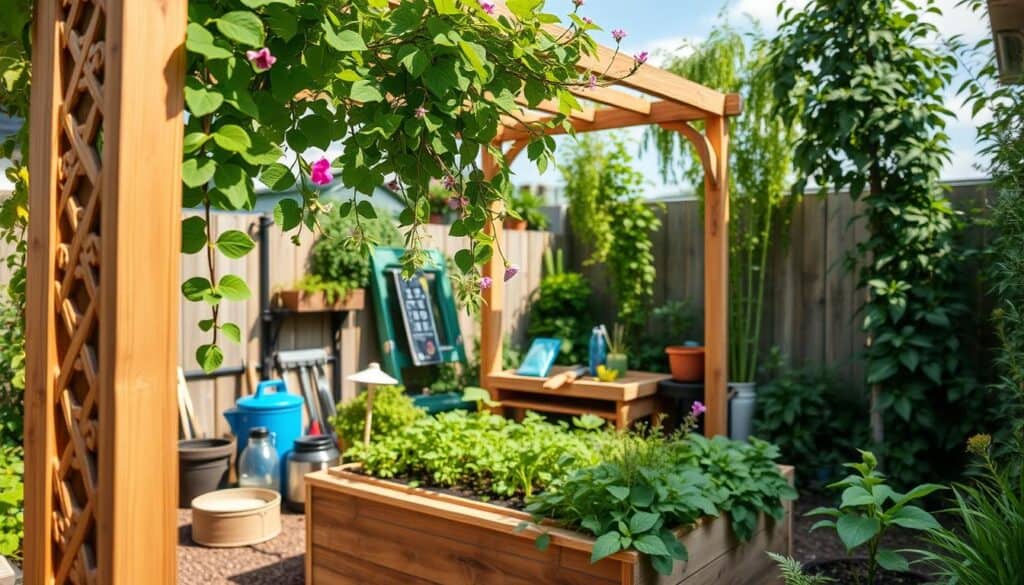
When setting up, choose the best trellis height for raised bed garden designs. A sturdy trellis for raised garden bed should support heavy crops like cucumbers or pole beans. It should also be easy to reach for harvesting.
Adding a trellis to a raised bed is a simple project with big rewards. Vertical supports help grow more food in small spaces without extra land. Vertical growth saves room and makes harvesting easier.
DIY Garden Trellis Ideas That Cost Almost Nothing to Build
You can turn your backyard into a lush oasis with simple materials from home. Finding DIY Garden Trellis Ideas That Cost Almost Nothing to Build is a great way to improve your outdoor space without spending a lot, and they can be built in any size for any spot.
Many gardeners find that inexpensive garden trellis designs don’t need professional carpentry skills. You can start with easy diy trellis projects using basic tools from most garages.
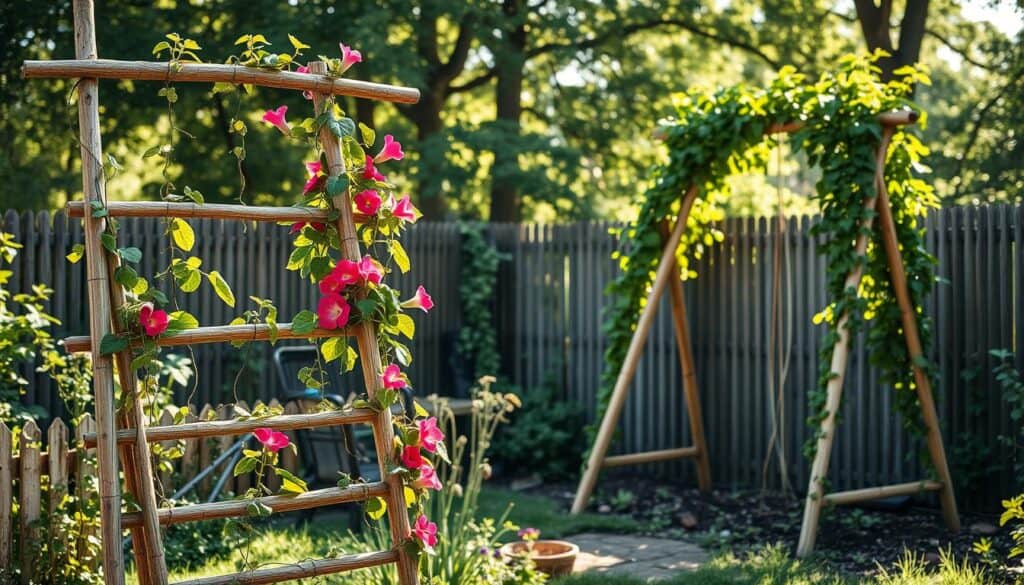
When looking for budget-friendly garden trellis ideas, consider reclaimed wood or scrap metal. These low-cost garden trellis solutions are great for climbing veggies and flowering vines.
There are many creative trellis ideas on a budget using common household items. These affordable diy garden trellis ideas let you try different shapes and heights for your plants.
Choosing simple trellis designs for gardens makes your project fun and easy. These frugal garden trellis projects show you can get a professional look without spending much.
Whether you’re new or experienced, these methods offer diy trellis ideas for small space gardening that are both useful and look good. Vertical growth is key to getting the most from your harvest in small areas.
Cattle Panel Trellis Solutions for Raised Beds
Gardeners often choose cattle panel trellises for their raised beds. These structures are very durable and great for heavy vines like cucumbers and squash. Adding a trellis to your garden is a smart way to increase your harvest.
Cattle panels are easy on the wallet. They let plants climb, improving air flow and preventing diseases. You can adjust the size to fit your garden.
Building a trellis with these panels is simple. While wooden trellises are popular, metal panels are stronger against the weather. They offer stability that other materials can’t match.
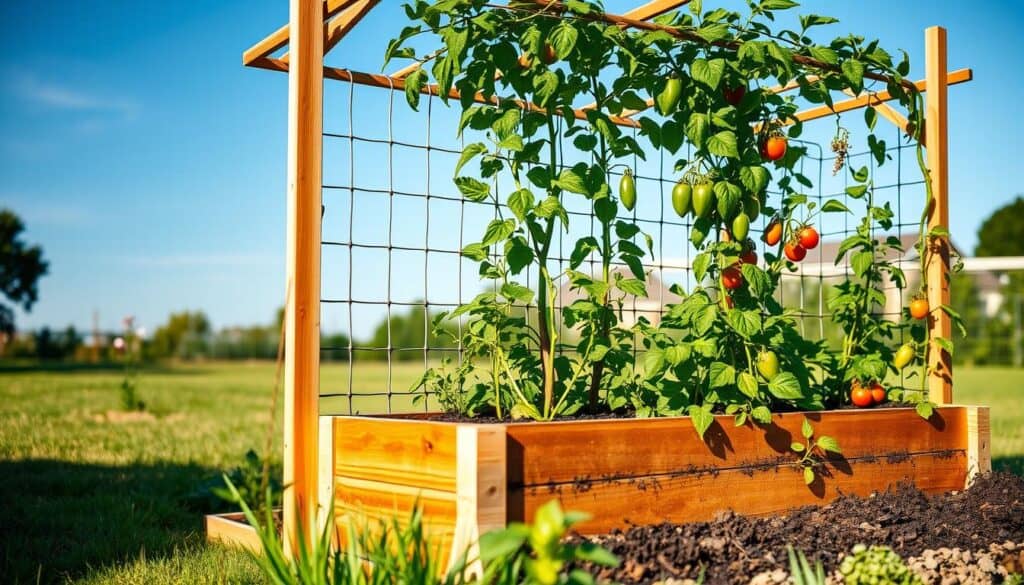
You can set up a cattle panel trellis in many ways. For example, an a frame design is great for narrow beds. It creates a cool tunnel for summer crops.
It’s important to install trellises securely. Use strong ties or staples to attach the panel. This makes sure your trellis can handle a big harvest.
For two beds, try a diy cattle panel archway. It looks great and offers lots of vertical space. These panels are the top choice for serious gardeners.
Bamboo Frame Garden Trellis Projects
Building a bamboo frame garden trellis is a fun project. It adds beauty and function to your backyard. Bamboo is sustainable and lightweight, perfect for eco-conscious gardeners.
It’s naturally weather-resistant, making it a great choice for those who love organic looks.
To start, lash your bamboo poles together for a sturdy structure. Use natural twine or garden wire to secure the joints. This keeps your trellis looking rustic and strong enough for heavy climbing veggies.
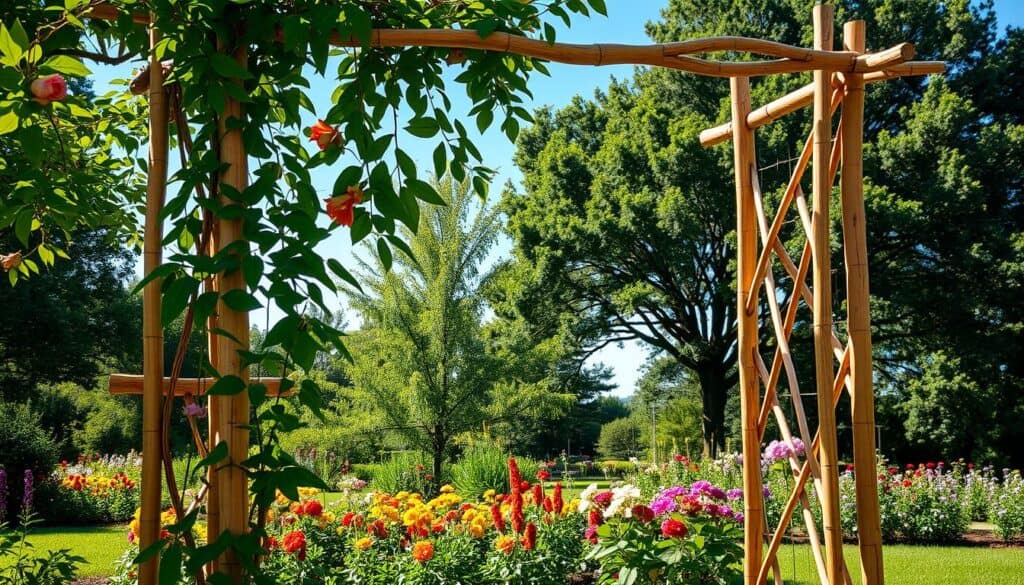
Here are some tips for building a successful bamboo frame garden trellis:
- Choose high-quality, dried bamboo poles for durability.
- Use a square lashing technique to keep joints tight.
- Anchor the base deep into the soil for stability.
- Check lashings often to keep them tight as plants grow.
A well-built bamboo frame garden trellis is perfect for peas, beans, or cucumbers. It’s a natural choice that blends well with your plants. With a bit of effort, you’ll have a productive and beautiful vertical garden all summer.
PVC Pipe Garden Trellis Designs
Gardeners love pvc pipe garden trellis designs for their lightness, durability, and ease of assembly. These structures are modular, letting you adjust their size to fit your garden. They work well for any space, from small balconies to big backyards.
One great thing about these designs is the diy string trellis system you can add. Just drill holes in the pipes and weave twine or garden string through. This creates a grid that supports vines like peas and cucumbers as they grow.
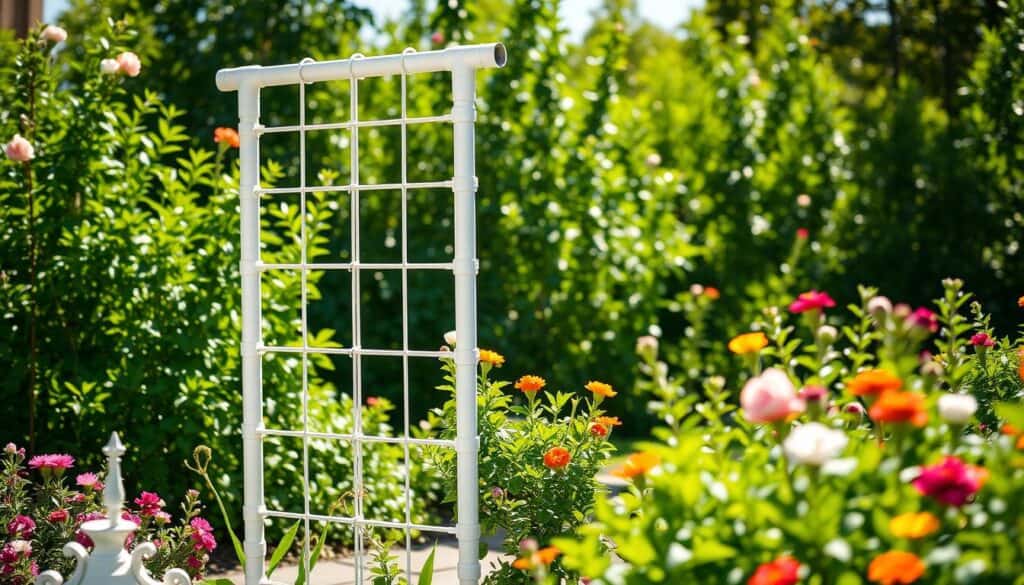
Trellis supports for raised beds are perfect for those who want to manage climbing plants without spending a lot. The pipes are cheap and easy to find, so you can build a strong frame without spending a lot. Here are some benefits to consider:
- Modular design: You can add or remove sections as your plants grow.
- Weather resistance: PVC doesn’t rot or rust, making it durable for outdoors.
- Customizable shape: You can make A-frames, flat panels, or tunnels with simple connectors.
- Lightweight construction: The whole frame is easy to move or store when not in use.
To start, measure your raised bed and buy PVC pipes and elbow connectors. With basic tools, you can build a top-notch structure. It will keep your garden organized and productive all year.
Wire Mesh and Twine Trellis Systems
You can easily transform your garden space with wire mesh and twine systems. These materials provide excellent trellis supports for raised beds. They let your vining vegetables climb toward the sun. This keeps them off damp soil and reduces disease risks.
A wire mesh panel trellis is great for heavy crops like cucumbers or pole beans. For bigger setups, a hog panel trellis for raised beds is durable and strong. These structures are a permanent backbone for your garden, helping plants thrive all season.
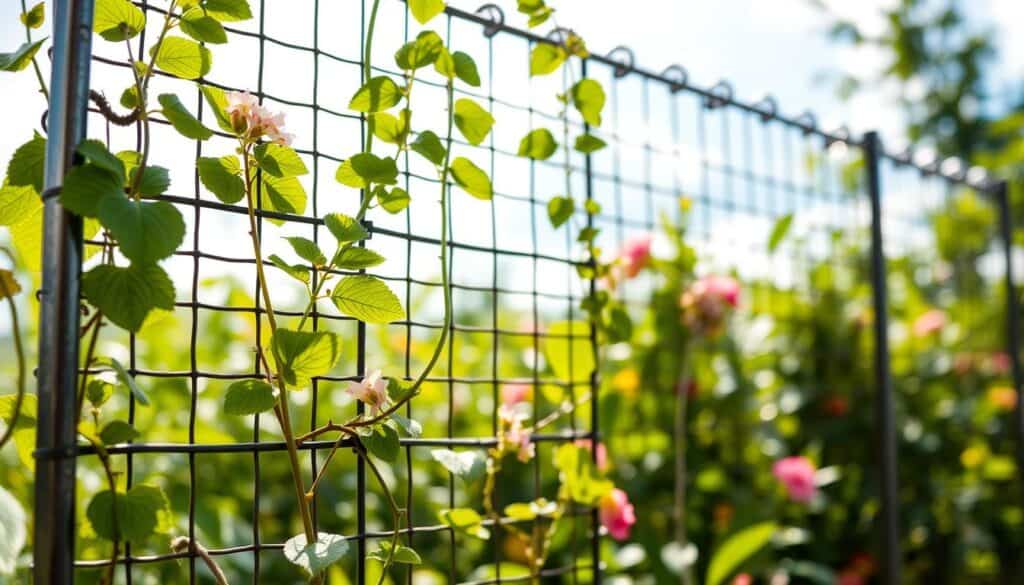
For lighter plants, trellis netting for raised beds is a good choice. It’s easy to install and has a wide surface area for delicate tendrils. Many gardeners also like making a diy string trellis system with twine and a top beam.
The twine and eye hook trellis is another affordable option for tight spaces. By attaching small eye hooks to your raised bed frame, you can create easy raised bed vegetable supports. This method lets you adjust string spacing for your crops’ needs.
Using vertical solutions is the best way to maximize small space yields in your backyard. Whether you pick rigid wire or flexible twine, your plants will grow better. Think about these benefits for your next garden project:
- Improved air circulation for healthier leaves.
- Easier harvesting without bending or kneeling.
- Better sunlight exposure for ripening fruit.
- Efficient use of limited garden footprints.
Ladder Mesh Trellis for Vertical Growth
Building a ladder mesh trellis is a great way to make your garden look better. It also helps your plants grow up instead of sprawling on the ground. This keeps your garden neat and lets air move freely.
Making a homemade raised bed trellis is easy and only needs stuff from the hardware store. You can use wood or a metal trellis for climbing plants. It’s great for keeping your garden paths clear.
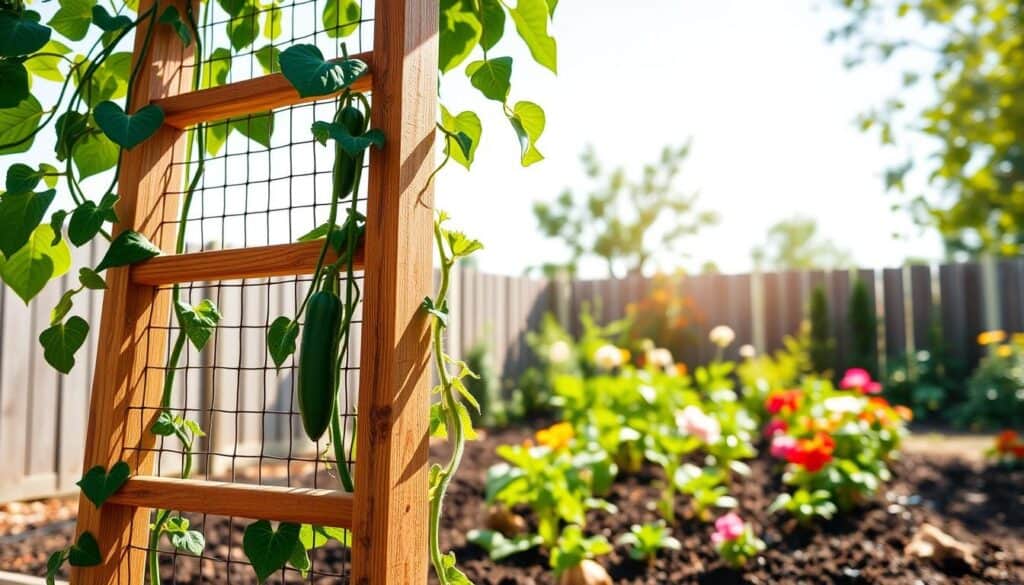
A cucumber trellis for raised beds is a big help for growing cucumbers. They love to climb, which stops fruit from rotting and makes picking easier. Your cucumbers will grow more and taste better when they climb.
These trellises are easy raised bed vegetable supports that anyone can set up in a few hours. They use vertical space well, even in small gardens. Here are some key benefits:
- Improved air circulation to prevent fungal diseases.
- Easier access for pruning and harvesting vegetables.
- Increased sunlight exposure for better fruit development.
- Cleaner produce that stays away from soil-borne pests.
For a decorative touch, try an arch trellis for raised beds. It makes a beautiful tunnel. Or, use an obelisk trellis raised bed for a stunning centerpiece. Both add beauty and support to your garden.
Raised Bed Vertical Gardening Techniques
Mastering raised bed vertical gardening is key to a lush, high-yield harvest in a small space. A raised bed trellis helps train vining plants to grow up, not out. This simple change doubles your garden space without needing more land.
Using a trellis in a raised bed improves airflow and reduces disease. A good trellis setup for raised beds keeps leaves dry and prevents rot. This is vital for growing more food in small spaces.
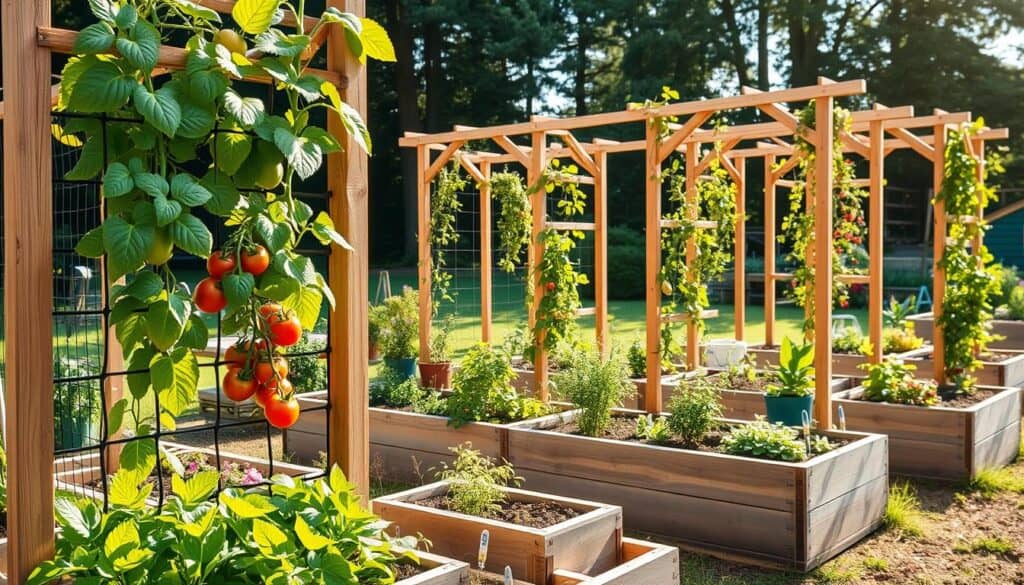
To add a trellis to a raised bed, start by attaching it to the wooden frame. Use heavy-duty screws or brackets to keep it stable in windy weather. A diy raised bed trellis can be made with cedar stakes or metal conduit.
When planning your vertical trellis ideas, consider these:
- Structural Integrity: Always anchor your trellis to the bed frame to prevent tipping.
- Plant Selection: Choose lightweight climbers like peas or cucumbers for easier management.
- Accessibility: Ensure the design allows you to reach the top for harvesting.
The best trellis height for raised bed garden setups is between five and seven feet. This height maximizes vertical growth and makes pruning easy. These techniques for vertical gardening in a small backyard will boost your harvest and keep your garden neat all season.
Selecting the Best Vegetables for Vertical Gardening
Not every plant is suited for climbing, so picking the best vegetables for vertical gardening is key for a good harvest. Using a vertical layering garden technique lets you use space well and keep plants healthy. The right trellis for vining vegetables keeps your garden neat and efficient all season.
When planning your tomato trellis raised garden bed, go for indeterminate varieties that keep growing and fruiting until frost. These need strong vertical tomato support ideas like heavy cages or twine to hold the fruit. This support stops stems from breaking and keeps fruit clean.
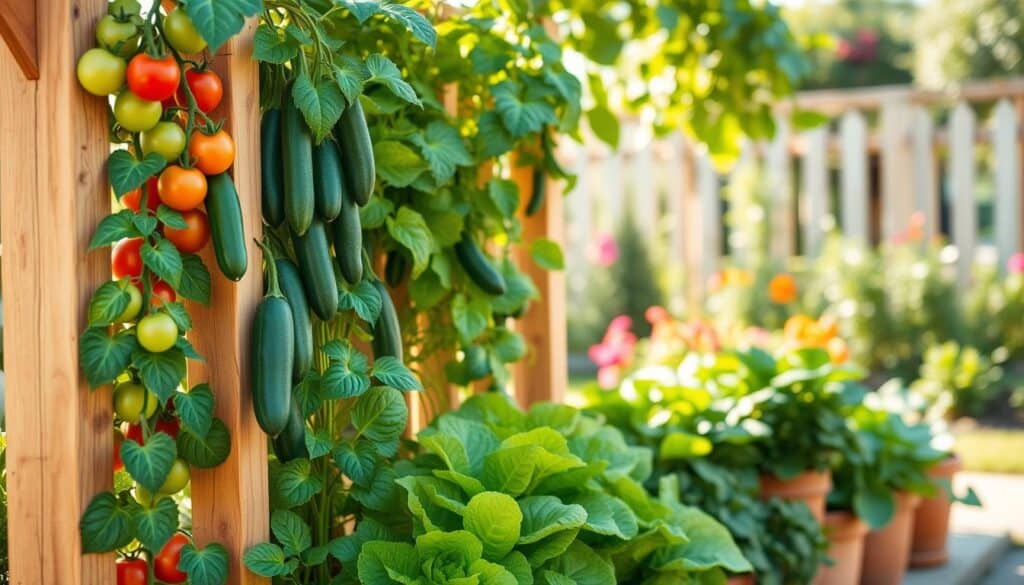
Legumes are great for vertical growth because they naturally seek support. A trellis for climbing beans improves air flow, which is good for plant health. Whether you’re growing peas vertically in spring or setting up a pole bean vertical support for summer, these plants do well with support.
Setting up a squash trellis in raised beds needs careful planning because of the fruit’s weight. A sturdy squash and melon trellis setup is needed to stop heavy fruits from pulling down your structure. Use soft fabric slings for bigger melons or pumpkins as they grow, keeping them safe on the vine.
- Airflow: Vertical growth improves circulation, which is a key component of pest prevention vertical gardening.
- Sunlight: Proper placement ensures optimal vegetable garden sun exposure for all leaves.
- Harvesting: Elevated produce is much easier to spot and pick without bending over.
- Health: Keeping foliage off the damp ground significantly reduces the risk of soil-borne diseases.
By choosing the right crops, you make a garden that’s both beautiful and productive. Focus on plants that love to climb, and you’ll see a big boost in yield. Make sure your structures can handle the weight of the vegetables you grow.
Maintenance and Safety Tips for DIY Trellises
Keeping your vertical garden safe and productive is key. Simple raised bed gardening hacks can make your trellis sturdy. Regular checks are vital as plants grow.
Before the growing season peaks, inspect your trellis. Growing vertically needs a strong support system. A stable trellis saves space and boosts yields without collapse risks.
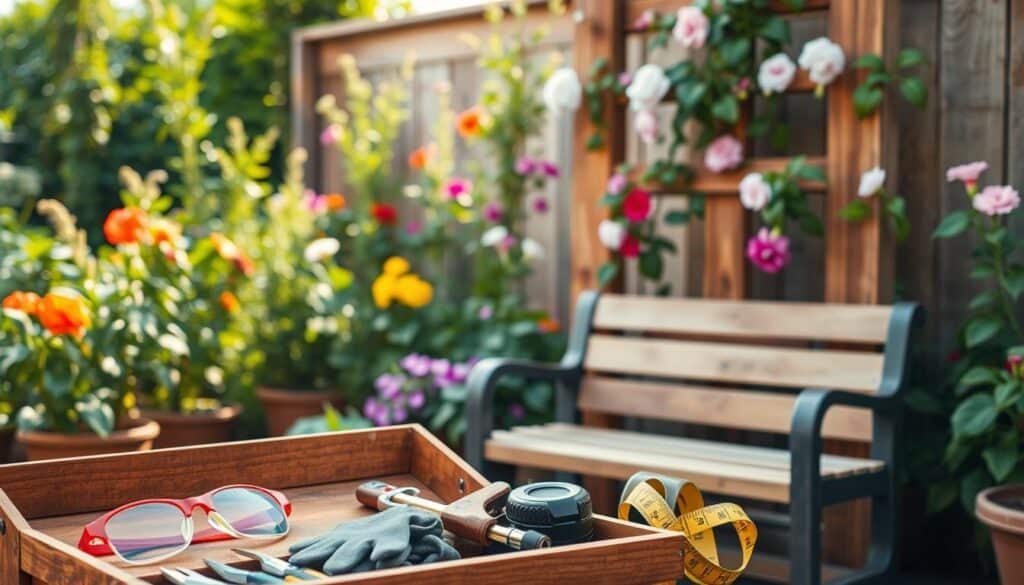
Choose weather-resistant materials for your cheap diy trellis. Regular care improves air circulation and fights pests. It keeps plants healthy and pest-free.
Building a heavy-duty bed trellis means securing it well. This ensures a bountiful harvest all summer. Proper placement also maximizes sun and supports lush growth.
- Inspect all screws and fasteners for rust or loosening.
- Tighten any loose twine or wire netting before vines attach.
- Check the base of the trellis for signs of wood rot or soil erosion.
- Prune heavy foliage to reduce wind resistance on the structure.
Conclusion
Building your own garden structures is rewarding. It boosts your garden’s productivity and looks. You control the design and save money.
Every DIY trellis project lets you try out different materials. You can find them in your garage or local store. These simple steps turn empty space into a lush, productive area.
Smart planning can double your garden space easily. Vertical growth keeps plants healthy. It improves airflow and sunlight.
A strong trellis supports heavy crops like cucumbers and beans well. You’ll see cleaner harvests and less rot when vines climb.
Choose a design that suits your needs and materials. Your backyard will become a thriving vertical oasis. It will produce fresh food all season.
Get your tools ready and start building today. Seeing your plants grow high brings pride to every gardener.