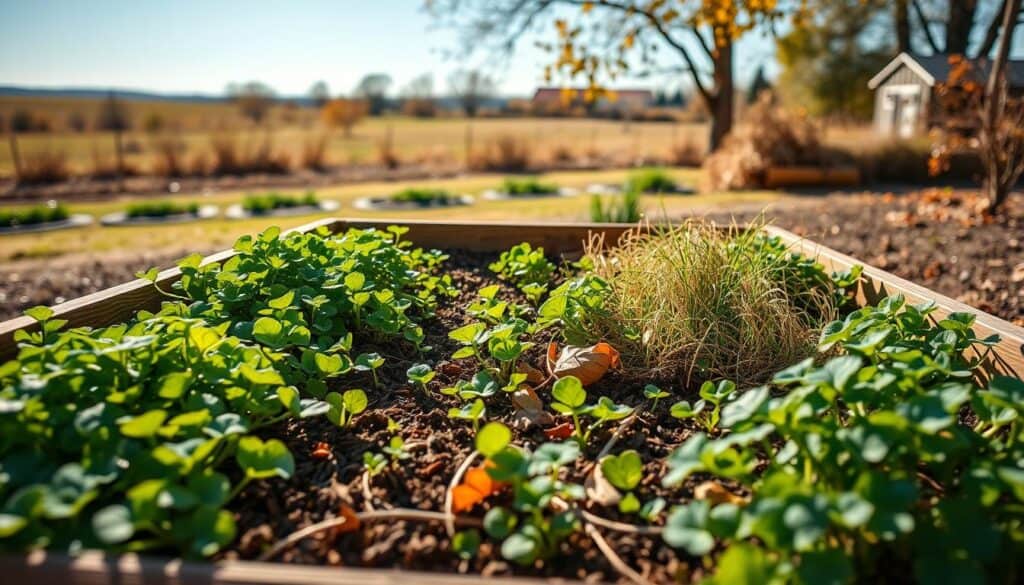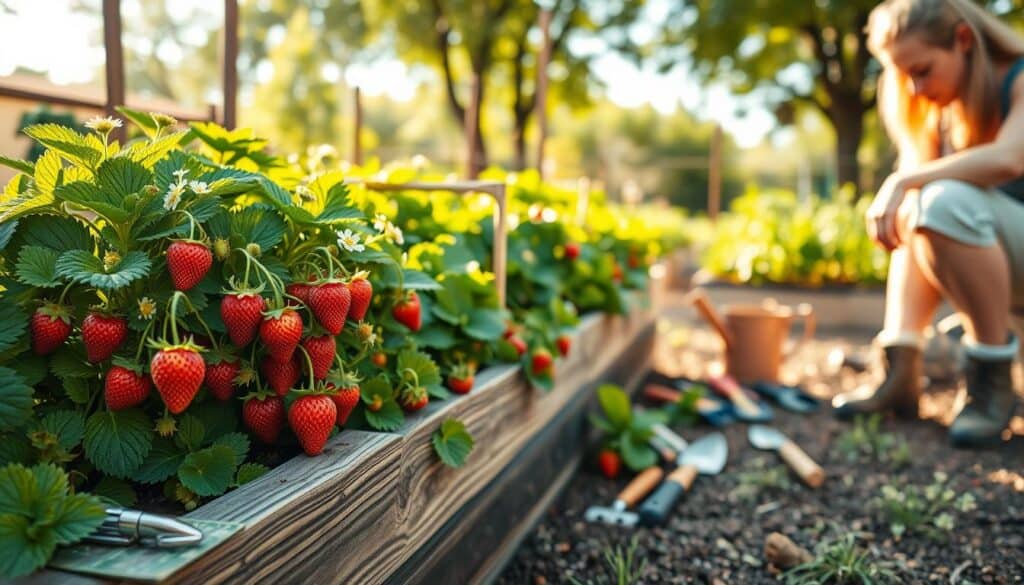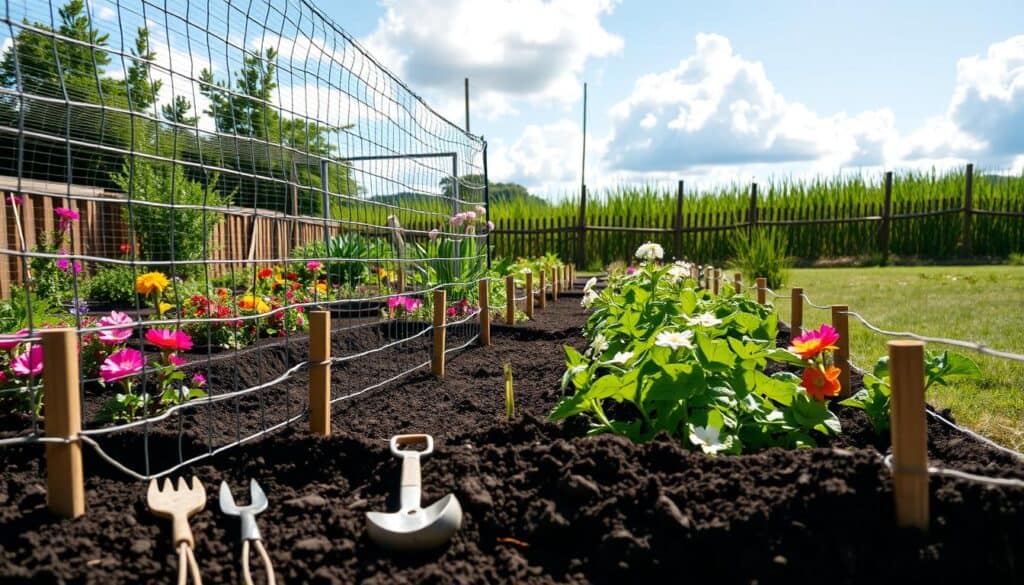
Starting your own home vegetable garden is exciting. It lets you grow fresh, delicious food right in your backyard. But, many new gardeners don’t realize how important soil depth is.
Knowing what your plants need is key to a good harvest. Giving them enough room for their roots helps them stay healthy all season.
Good planning helps your plants thrive. By focusing on root health and enough soil, you set up your garden for success. This hard work pays off with a bounty of fresh food.
Visit The Marketplace or grab your Free Garden Starter Kit
Understanding Root Systems for Tomatoes and Peppers
Roots are the hidden engines that drive the growth of your favorite summer vegetables. When you are growing tomatoes and peppers in containers, understanding their unique needs is vital for a bountiful harvest.
Tomatoes are known as heavy feeders that require significant space for their roots to expand. While they can develop deep taproots, they also rely on a wide network of lateral roots to pull in nutrients. Providing the right river rocks for bed gardening depth ensures these plants have enough room to anchor themselves firmly.
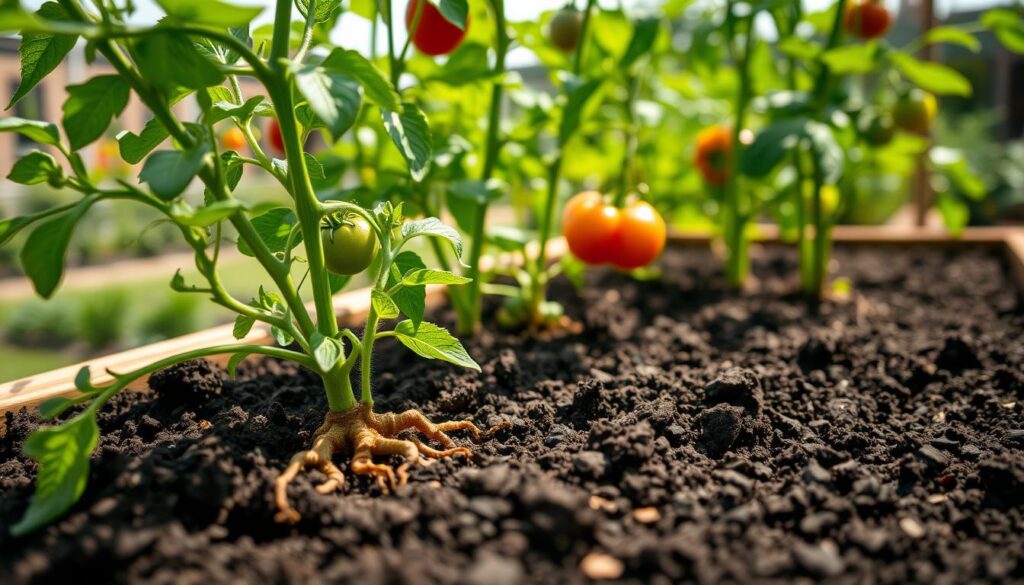
In contrast, pepper plants possess a more fibrous and shallow root structure. These roots are sensitive to temperature changes and thrive when the soil remains consistently moist. Because of this, above ground gardening requires careful planning to prevent the soil from drying out too quickly.
Mastering your raised bed gardening depth is essential for success. It directly impacts how well your plants access the water and nutrients they need during the heat of the summer. By catering to these specific root habits, you create an environment where your vegetables can truly flourish.
The Ideal Minimum Depth for Productive Tomato Plants
For a great harvest, the bed depth matters a lot. Tomatoes need at least 12 to 18 inches of space to grow well. This depth helps them reach their best during the growing season.
Choosing the ideal raised bed depth for tomatoes and peppers keeps the soil loose. Deep soil lets roots grow down freely. This is key for getting nutrients and staying healthy.
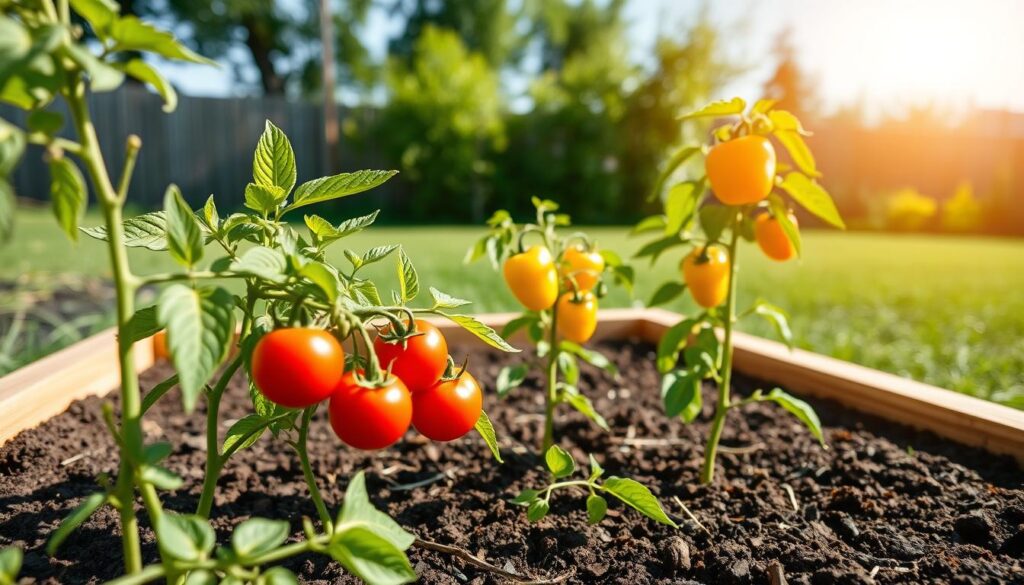
The optimal raised bed depth for tomatoes and peppers also supports tall plants. As they grow, they carry a lot of fruit and leaves. A deep bed keeps the roots strong, keeping plants upright and healthy all summer.
Planning your garden with the right depth offers many benefits:
- Better root development for stronger stems.
- Improved water retention in the lower soil layers.
- Reduced stress on plants during hot weather.
- Increased fruit production due to better nutrient access.
Finding the best depth for tomatoes and peppers in raised bed setups is key to success. Giving your plants enough space leads to a productive and fulfilling gardening experience.
Why Pepper Plants Require Specific Soil Depths
Many gardeners focus on tomatoes, but pepper plants need specific soil depths too. They are less demanding than tomatoes but need at least 12 inches of soil to grow well. This depth lets their roots grow without being cramped.
When growing tomatoes and peppers in raised beds, remember peppers are sensitive to temperature changes. Shallow soil can quickly change temperature, shocking the plant. A proper depth keeps the roots stable, protecting them from sudden temperature shifts.
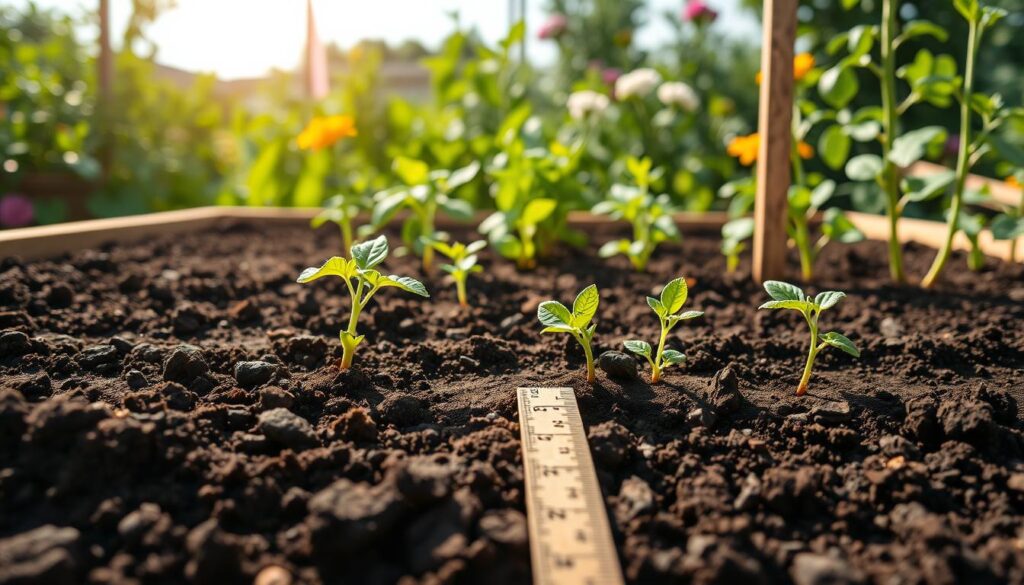
Finding the best depth for tomatoes and peppers in raised bed designs is key. It helps keep the root zone cool, preventing heat stress. This is important because heat stress can cause blossom drop in pepper plants. When the soil temperature stays steady, your plants are more likely to produce well.
To make your garden the best it can be, remember these benefits of deep soil:
- Improved moisture retention, keeping the soil moist longer.
- Better nutrient availability, making it easier for roots to get the minerals they need.
- Enhanced root stability, preventing plants from leaning or falling over.
- Protection against extreme weather, shielding roots from harsh temperatures.
By focusing on these depth needs, you’re setting up your garden for success. Proper planning for growing tomatoes and peppers in raised beds leads to healthier plants. Always aim for at least 12 inches to get the best depth for tomatoes and peppers in raised bed projects.
How Deep Should a Raised Bed Garden Be for Tomatoes and Peppers?
Planning a garden? You might wonder: how deep should a raised bed garden be for tomatoes and peppers? It’s key to give roots enough room for growth. Tomatoes and peppers need a lot of space to grow well.
For the best results, aim for a depth of 18 inches. This is the ideal raised bed depth for tomatoes and peppers. It lets tomato roots grow deep and keeps pepper plants happy. This depth ensures your plants get the moisture and nutrients they need all season.
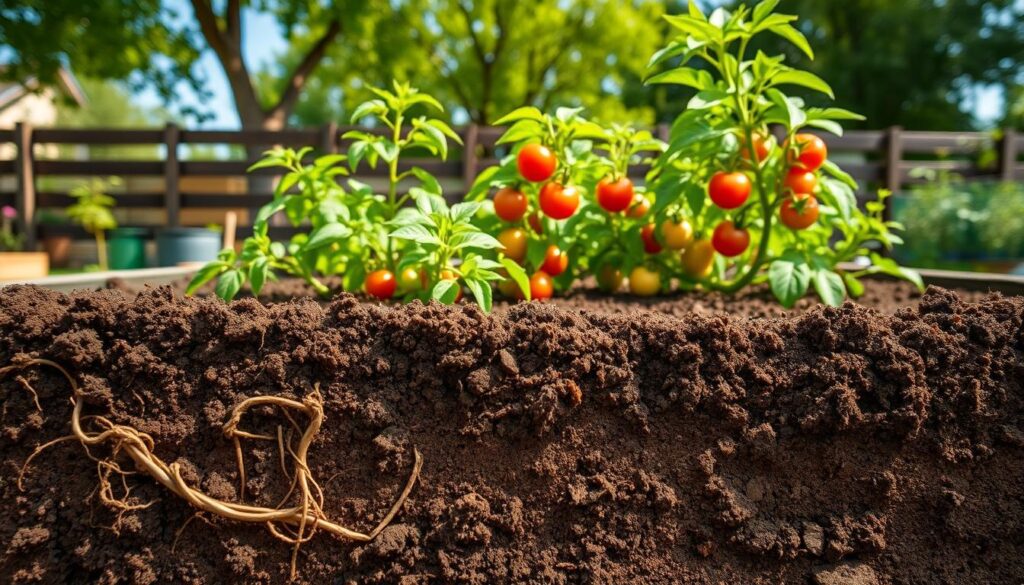
Choosing the optimal raised bed depth for tomatoes and peppers helps you plant them together well. You won’t have to worry about roots fighting for space or nutrients. This way, both plants can grow well together, without stress.
Building your beds to this depth also helps with drainage and air. Strong root systems are key for high-yielding plants. By starting with the right depth, you’re setting your garden up for success over the long term.
Factors Influencing Your Raised Bed Depth Choices
Several variables affect the perfect raised bed gardening depth for your home garden. When planning your backyard garden vegetable area, think about your local climate. Hot, dry summers need deeper beds for better insulation and water retention.
The right raised garden bed depth for vegetables depends on the plants you grow. Some plants have shallow roots, while others need more space. Choosing the right depth ensures your plants stay healthy all season.
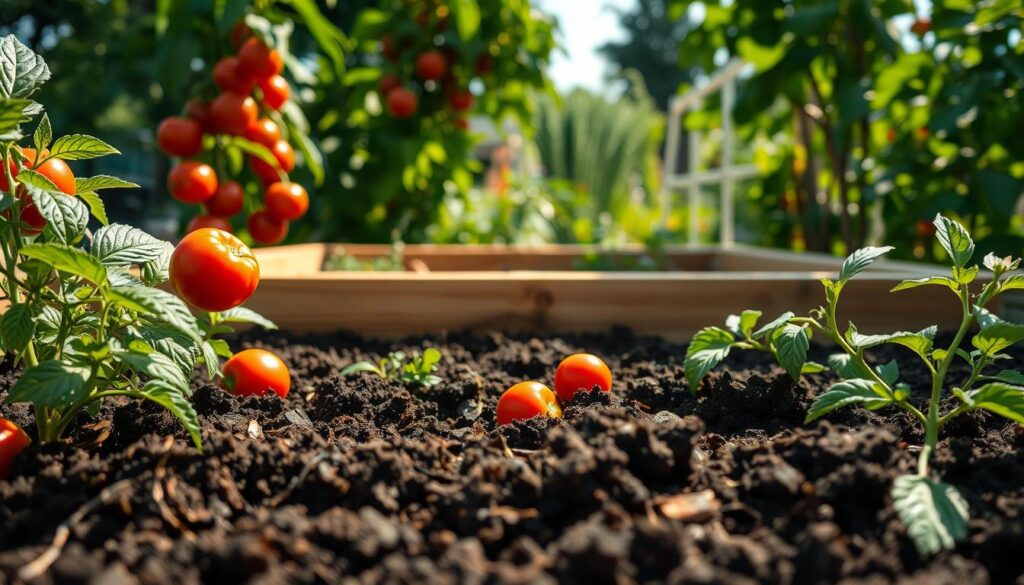
Using garden design permaculture can help. Observe how water moves in your landscape. This helps you decide if your beds need extra depth to catch rainwater well. This makes your garden more self-sustaining and less work for you.
When planning your garden, remember these key points:
- Climate adaptation: Adjust depth based on your local rainfall patterns.
- Soil quality: Deeper beds allow for better organic matter accumulation.
- Garden farm design: Align your bed placement with sun exposure and wind patterns.
- Pollinator-friendly landscaping: Integrate native flowers around your beds to boost crop yields.
By combining garden farm design with pollinator-friendly landscaping, you build a strong ecosystem. This approach supports your soil’s health and keeps your garden productive for years. Taking the time to consider these factors now will save you effort later.
Benefits of Deeper Raised Beds for Vegetable Growth
For a thriving food garden, deeper beds are key. They give roots more room to grow and reach nutrients. This means every garden vegetable gets the best chance to grow big and strong.
Deeper garden beds vegetable systems drain water better. This stops rot and keeps plants healthy. Plus, more air gets to the roots, helping your veggie garden crops thrive.
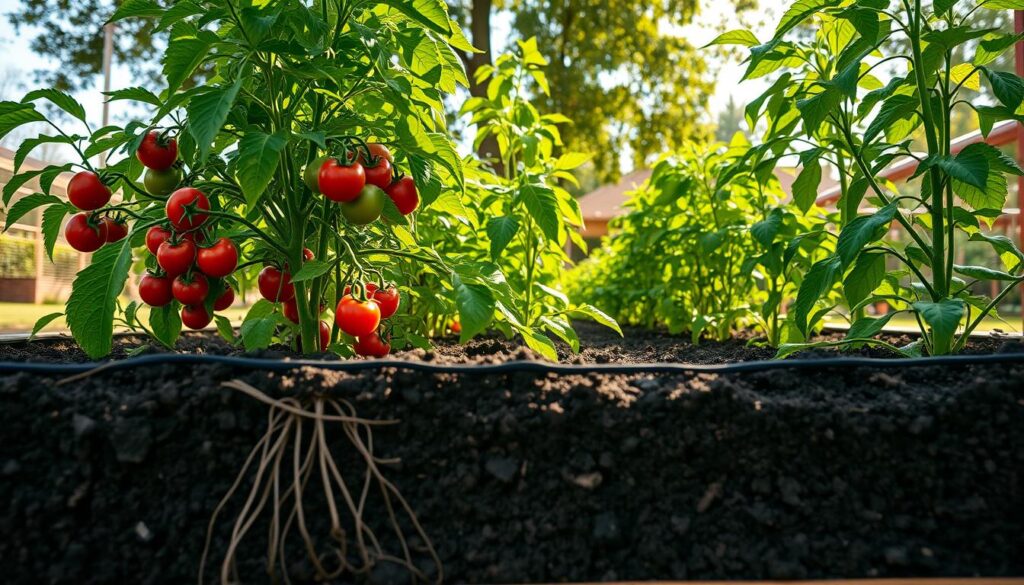
Deeper beds hold more organic matter, feeding your plants all season. This is true for both small backyard garden vegetable plots and above ground gardening. More soil means more food for you.
Extra depth makes your garden more stable. Stronger root systems grow in deeper soil. This makes your crops better at handling temperature changes. More soil means a better harvest every year.
Materials and Construction for Your Raised Garden Beds
When planning your backyard raised garden, the materials you choose are key. They affect both the look and the life of your garden set ups. Picking the right materials for your vegetable garden beds is as important as the soil depth. Quality materials keep your structure stable through the seasons.
For a lasting look, think about brick garden bed ideas. A brick garden bed keeps soil temperatures steady for your crops. Whether it’s a raised garden with bricks or a brick garden bed raised above ground, it adds a classic touch. A backyard garden with brick retaining wall is durable for a raised bed brick design that lasts. You can fill a brick garden bed with plants to highlight your yard.
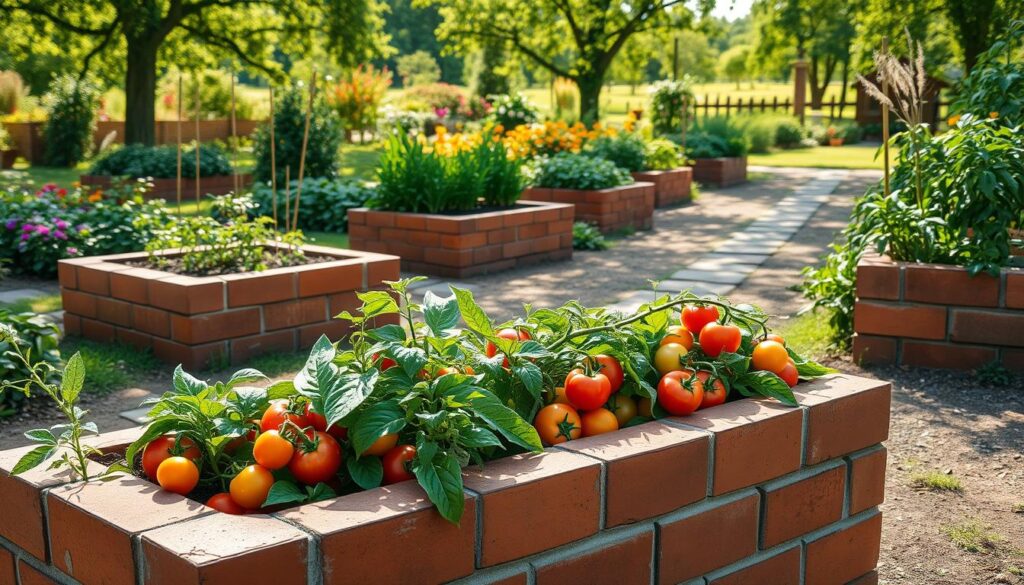
When making your raised kitchen garden beds, safety comes first for your garden vegetable harvest. Make sure your materials are safe for food. Many like kitchen garden raised beds for better soil control and drainage.
Here are some common construction options for your raised bed kitchen garden:
- Cedar or Redwood: These woods are naturally rot-resistant and look great in any yard.
- Untreated Pine: It’s affordable and works well if you seal it with a food-safe finish.
- Concrete Blocks: A strong choice for quick assembly and modular designs.
- Galvanized Steel: A modern option that looks sleek and resists rust well.
Your choice between raised garden boxes and other garden boxes depends on your style and budget. Whether you pick wood, stone, or metal, make sure it can hold wet soil. A well-built bed will support your plants for years.
Design Ideas for Small Vegetable Gardens
Designing small vegetable gardens needs a smart plan to use every inch. Use vertical elements like trellises to grow plants up, not out. This keeps your ground free for other vegetable garden beds.
Try creative raised bed ideas to organize your crops well. A good raised garden layout lets you grow a lot in a little space. Whether you use a gardenary garden plan or make your own, planning carefully makes every inch count.
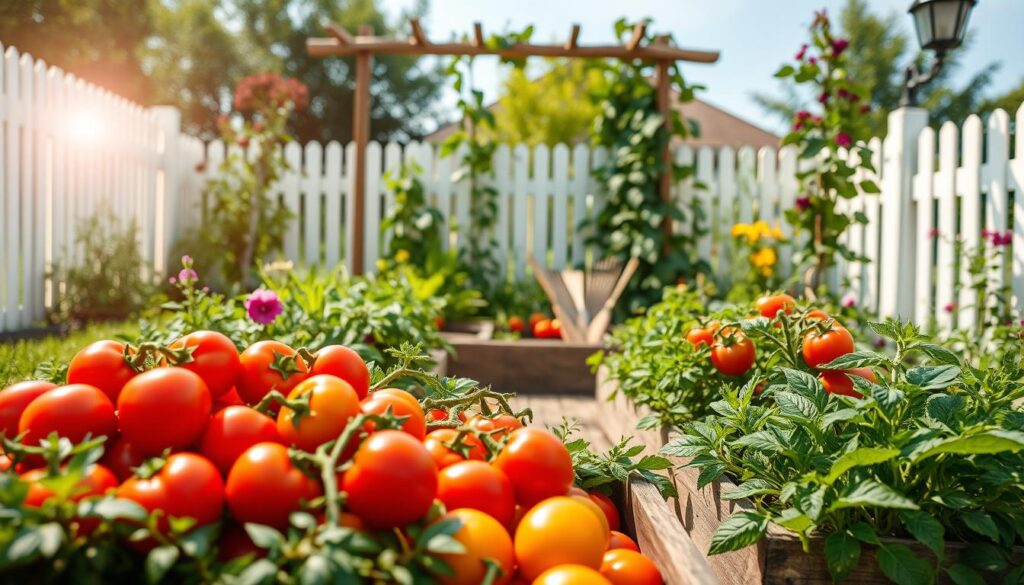
Consider a raised bed kitchen garden design for easy access to fresh herbs and greens. These veggie garden ideas make it easy to get what you need. A raised garden bed example plan gives you a blueprint for success.
When designing your raise bed garden, group plants by their needs. This vegetable garden design saves time and water. Even without a big yard, you can make a small patio into a productive garden.
Remember, vegetable gardening ideas do best with good soil and sunlight. A small garden is often easier to care for. Mix garden design permaculture with a modern garden farm design for a sustainable, beautiful space. The right raised garden bed inspiration is the key to your dream harvest.
Integrating Aesthetic Features into Your Kitchen Garden
A kitchen garden is more than just a place to grow food. It becomes a beautiful retreat when you mix practical design with beauty. Focus on your raised kitchen garden beds to make a simple space stunning. Whether your garden is big or small, the right design makes a big difference.
Adding vertical elements is a great raised bed idea to use space well. A vegetable garden pergola or a simple veggie garden arch makes a beautiful centerpiece. These structures are great for climbing plants like peas or cucumbers, adding height and interest.
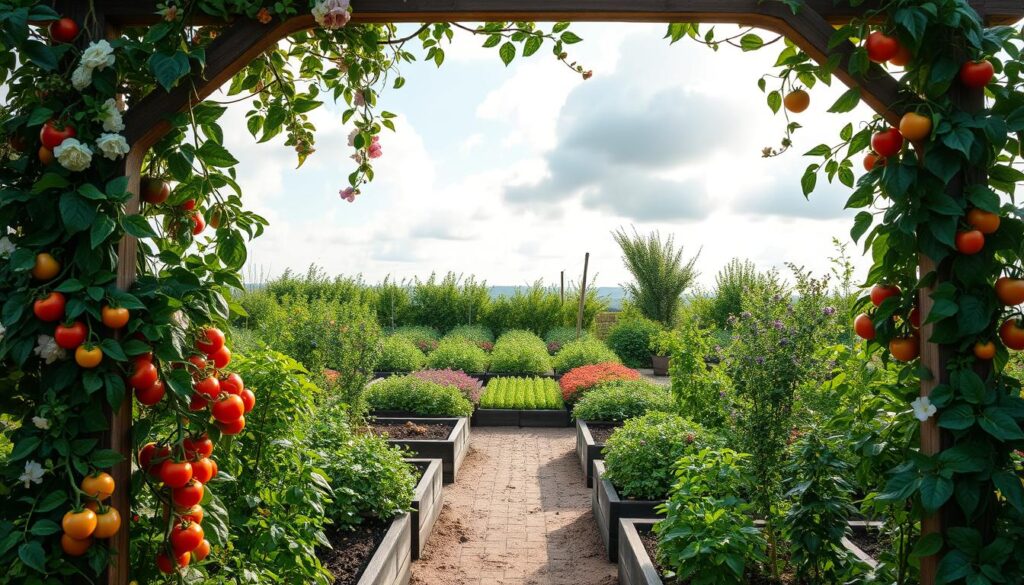
To get a cottage vegetable garden aesthetic, think about adding a vegetable garden with trellis and flowers. Mixing edible plants with colorful flowers makes a lively dream vegetable garden. You can also try raised covered garden beds for a unique look and to protect your plants.
Lighting is key for enjoying your garden at night. Raised garden beds with lights let you see your harvest after dark. Here are some tips for a beautiful raised bed kitchen garden design:
- Use solar-powered vegetable garden lighting for paths and borders.
- Build a pergola vegetable garden for shade and climbing plants.
- Choose durable materials for your kitchen garden raised beds for lasting beauty.
- Match your trellis style to your home’s exterior for a cohesive look.
- Add decorative labels or stone paths for a complete gardenary garden look.
Your raised bed kitchen garden should show your style and give you fresh food. Use these veggie garden ideas to make a space that’s both beautiful and productive. With the right vegetable garden design, your backyard will be your favorite spot.
Tips for Building Cheap and Easy Raised Garden Beds
Starting a garden is rewarding and can be affordable if you build it yourself. A diy garden bed tutorial can help you save money. You can make a diy raised garden bed cheap easy or use cedar to build a garden box.
You can make your garden set ups fit any yard corner. For small spaces, an l-shaped raised garden bed is great. These diy raised garden projects let you control the soil quality and keep costs low.
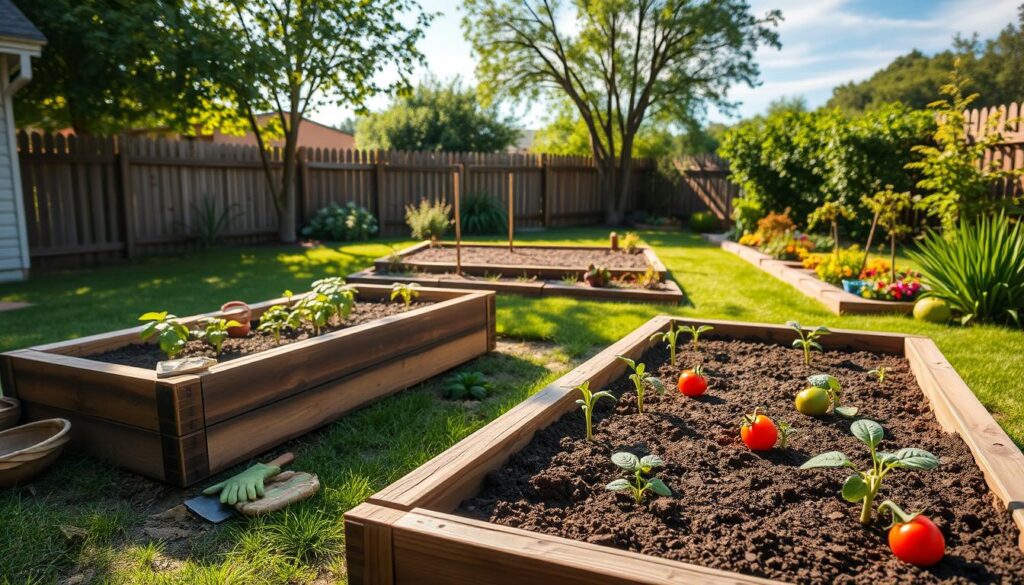
For a unique landscape, try these ideas:
- Use brick garden bed ideas for a lasting structure.
- Add a veggie garden arch or a vegetable garden with trellis and flowers for climbing plants.
- Install raised garden beds with lights for evening beauty and function.
- Try covered garden ideas or raised covered garden beds to protect your plants.
Building with cedar or reclaimed brick is cost-effective and durable. A diy cedar raised garden bed resists rot. A backyard garden with brick retaining wall adds a classic touch. These easy diy raised garden bed methods help create a lasting, joyful garden.
Common Mistakes to Avoid When Planning Bed Depth
Getting the depth right is key for a healthy garden. Yet, many beginners overlook it. They focus too much on how their diy raised garden looks, not on what their plants need.
One big mistake is not giving plants enough room to grow. It’s tempting to save money by using less soil. But, shallow beds can stunt plant growth. When you’re making a cheap easy diy raised garden bed, remember tomatoes and peppers need lots of space.
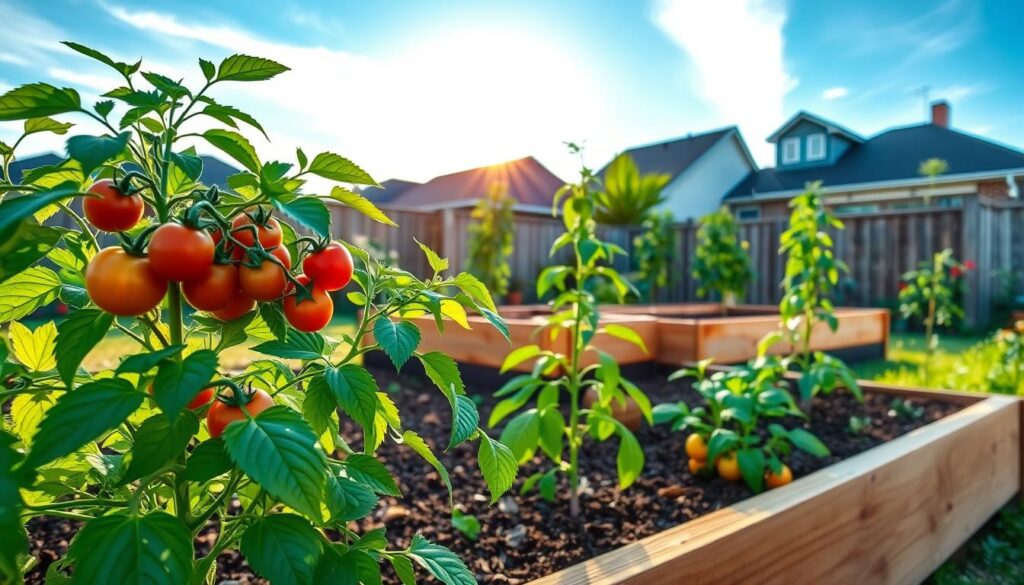
Getting the raised bed vegetable gardening depth right is critical. If you don’t, you might face poor drainage and nutrient issues. These problems can stress out your plants. Whether you’re making a diy cedar raised garden bed or a diy brick garden bed, plan for your plants’ full size.
Here are some key tips for raised bed depth for tomatoes and peppers:
- Don’t skimp on soil volume for an easy diy raised garden bed.
- Use a raised garden bed example plan to see how much space you need before you start.
- If you’re making an l-shaped raised garden bed, make sure each part has enough depth.
- Choose good materials when you learn how to make garden boxes to make sure they last.
- Remember, a diy raised garden box cheap easy approach should not mean sacrificing depth for deep-rooted plants.
By avoiding these mistakes, your diy raised beds will stay productive for years. Taking the time to build your diy garden bed right from the start saves you from expensive fixes later.
Conclusion
Creating the perfect environment for your tomatoes and peppers starts with the right raised bed depth. Follow these tips to ensure your plants have enough space for a bountiful harvest.
Building your own raised beds or planning carefully, remember extra depth matters. Deep soil helps plants grow strong roots. This supports healthy, vibrant plants all season.
Your dream veggie garden is closer than you think, with focus on soil volume and quality. A productive food garden needs attention to detail. But the joy of fresh produce makes every effort worth it.
Think about how your veggie garden fits into your landscape design. You can create a charming cottage garden while keeping it productive. These gardens often become the highlight of dream vegetable garden backyards.
Begin your project today for the joy of homegrown food. Your plants will flourish in the extra space, giving you delicious results all summer.