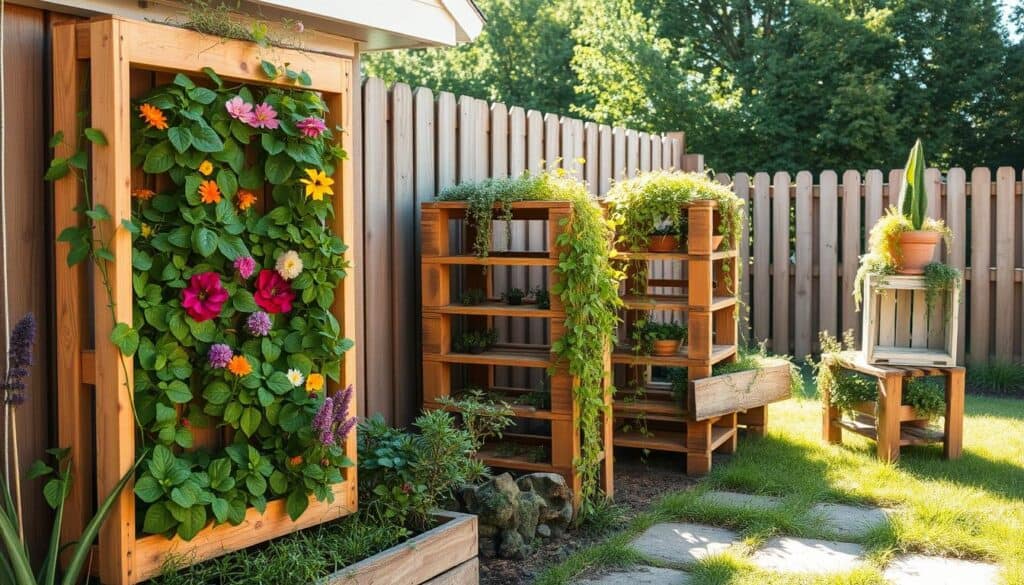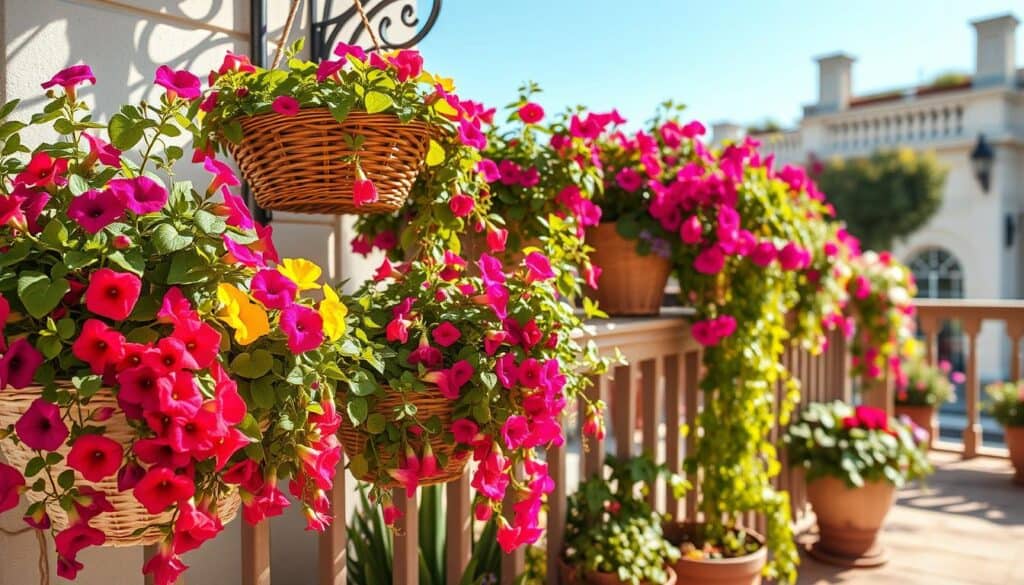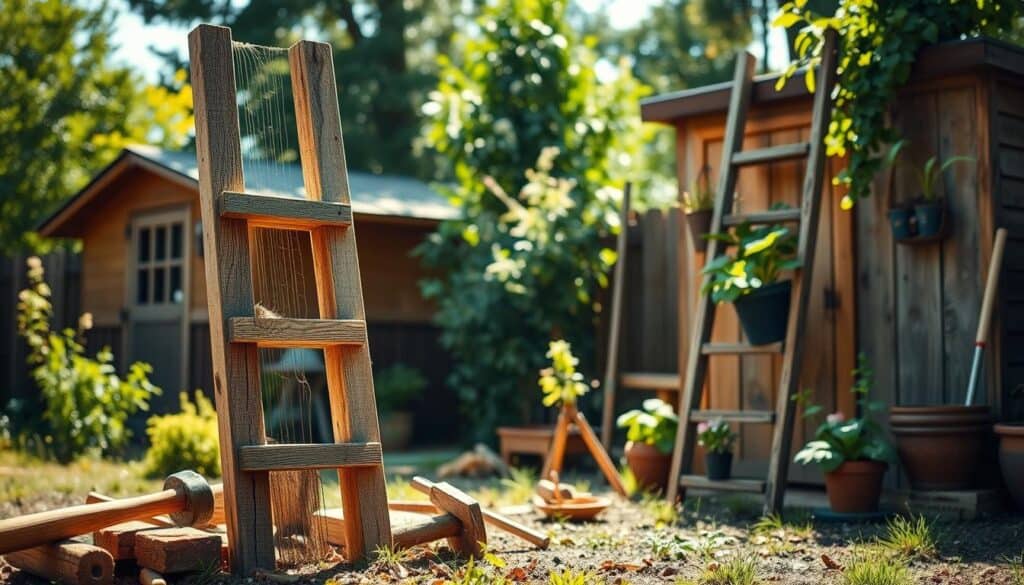
Do you dream of a lush oasis but feel limited by your tight outdoor square footage? Creating a vibrant green display is an excellent way to maximize limited areas while adding natural beauty to your home. Learning how to build a vertical garden wall on a small patio or balcony allows you to turn unused vertical space into a thriving sanctuary.
This project is perfect for urban dwellers who crave nature without sacrificing precious floor space. By choosing the right structure and plants, you can easily elevate your living environment.
Our guide covers everything from ensuring structural integrity to selecting the best greenery for your climate. We will help you transform your cramped exterior into a stunning, functional masterpiece that reflects your personal style.
Key Takeaways:
- Maximize your footprint by utilizing vertical surfaces.
- Prioritize structural safety for long-term plant health.
- Select appropriate species that thrive in container environments.
Visit The Marketplace or grab your Free Garden Starter Kit
Assessing Your Space and Sunlight Requirements
Starting a vertical garden means understanding your space first. Before buying materials or building, check your balcony or patio’s light and size. This step is key for a good balcony garden design.
Knowing your microclimate helps pick the right plants. If your spot gets lots of sun or stays shady, choose plants that match. With smart vertical gardening tips, your plants will get the right light for growth.
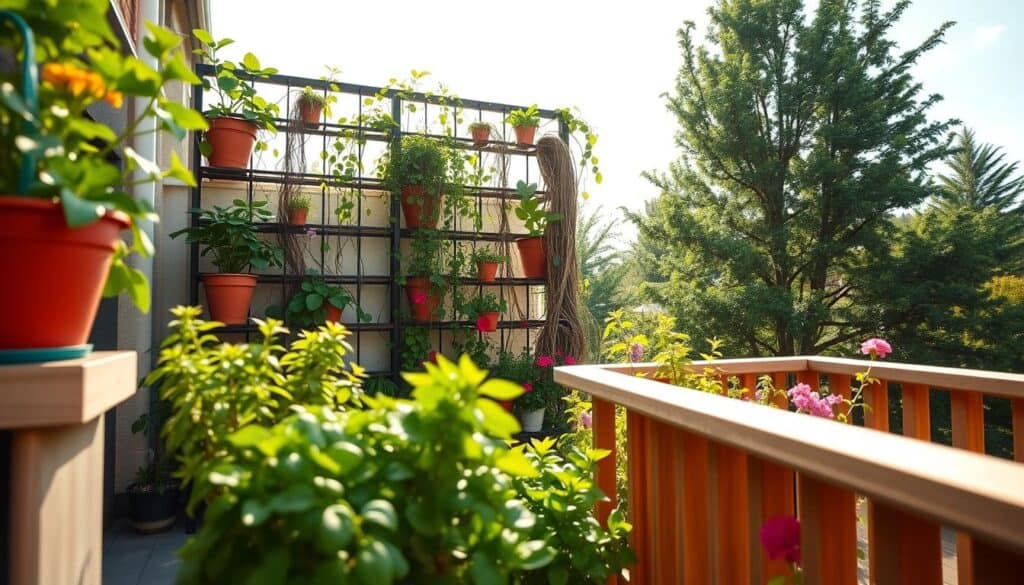
Start by watching your outdoor area at different times. See how shadows change to find the best spot for your garden. Think about these points when planning:
- Sunlight duration: Find areas with at least six hours of direct sun and those in partial shade.
- Wind exposure: Balconies high up face stronger winds, which can dry out soil fast.
- Structural capacity: Make sure your walls or railings can hold the weight of planters.
- Access to water: Being close to a faucet or hose makes caring for your garden easier.
Using these diy small space garden ideas helps use your space well for vegetables. Plan your space early to avoid mistakes and create a green oasis. Good planning turns a small area into a lively, green space.
Choosing the Right Vertical Garden System
Transform your patio into a lush oasis with the right vertical garden system. This choice is key, as it supports and waters your plants. Selecting a high-quality system ensures long-term success for your green wall.
Many patio gardening techniques can help you use your space well. Look for systems with modular designs. These allow you to grow your garden as you go, great for renters and homeowners alike.
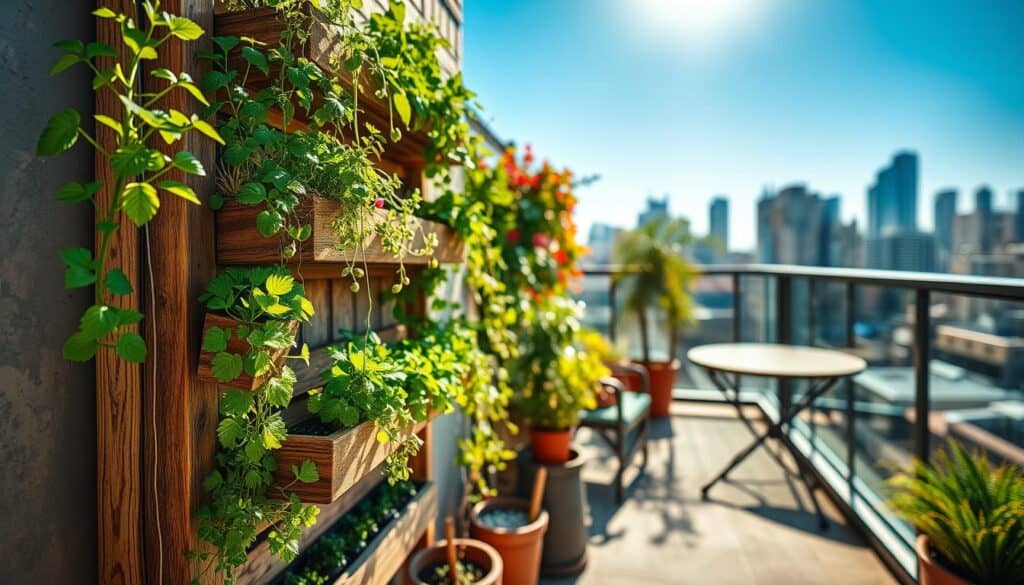
When starting your vertical planter, think about the weight and how it mounts. Modern systems are light and easy to attach to railings or walls without harm. Proper installation is key to maintaining the structural integrity of your living space.
These garden projects save space and fit many environments. You can choose from fabric pockets, stackable pots, or wall-mounted grids. Choosing the right system allows you to grow more plants while keeping your floor space clear and functional.
Essential Materials for Your DIY Vertical Garden
Choosing the right materials is key to a lasting vertical garden. When setting up outdoor living spaces with vertical gardens, pick materials that can handle bad weather. This ensures your plants stay healthy and your garden stays stable all year.
A good vertical garden design needs materials that fight off moisture and UV damage. Look for stainless steel or powder-coated metal to avoid rust. These materials are strong enough to hold wet soil and green plants.
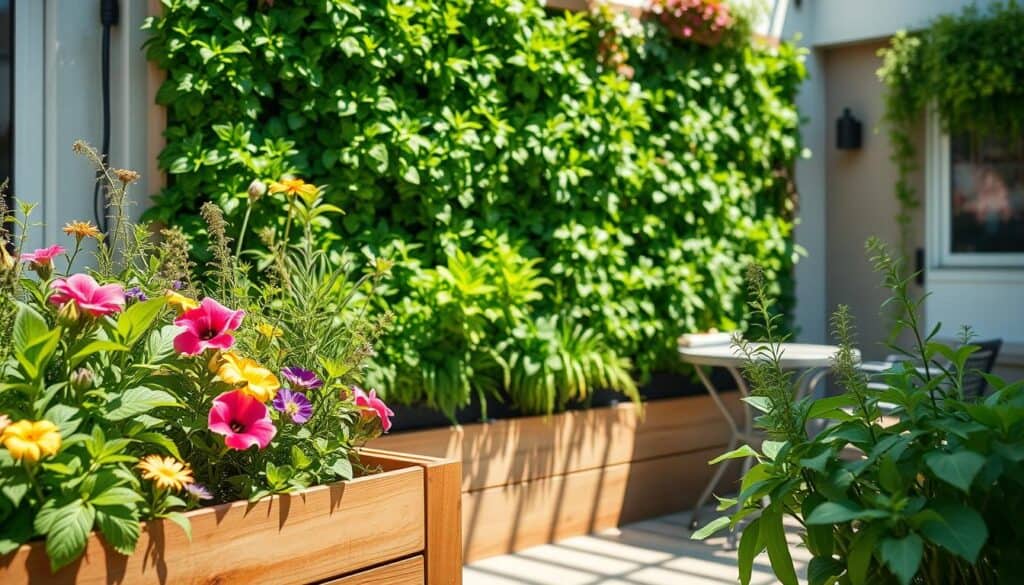
Before starting your living wall installation, get these essential items for a smooth build:
- Weather-resistant frames: Choose cedar, treated wood, or recycled plastic to avoid rot.
- Corrosion-resistant fasteners: Use stainless steel screws and bolts to keep your structure secure.
- High-quality landscape fabric: Select a durable, breathable material to hold soil while allowing for proper drainage.
- Sturdy mounting brackets: Ensure your wall anchors are rated for the weight of your specific garden system.
- UV-stabilized irrigation tubing: Pick flexible lines that will not crack under direct sunlight.
Investing in durable materials now saves you from future repairs. By choosing quality, you create a strong base for your plants to grow. Your water garden will be a stunning feature for many seasons.
How to Build a Vertical Garden Wall on a Small Patio or Balcony
Building a vertical garden wall on a small patio or balcony is a great way to use space. It brings natural beauty to your area. This project is great for beginners who want to add greenery to their home.
The key to a successful project is green wall construction. First, measure your wall space to fit your frame perfectly. A strong frame is needed to hold the weight of plants, soil, and water.
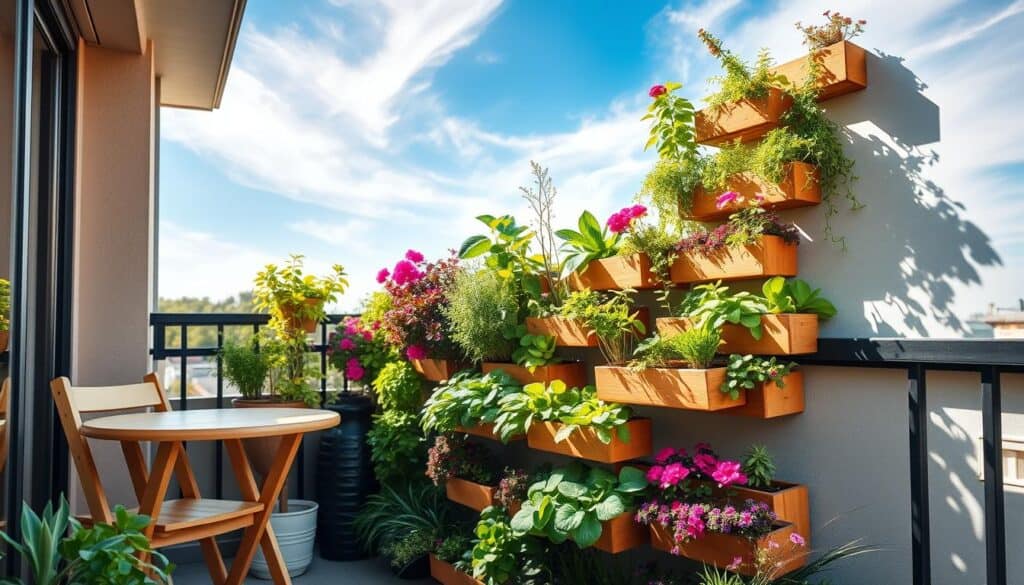
For indoor plant walls, think about light and air flow. Choose a modular system for easy changes as plants grow. This keeps your wall healthy and lively all year.
For outdoor vertical gardens, durability is key. Pick materials that can handle wind, rain, and changing temperatures. Here’s how to build your structure:
- Secure your mounting brackets firmly to the wall surface using appropriate anchors.
- Attach the vertical grid or pocket system to the brackets, ensuring it is level.
- Install a waterproof backing layer to protect your wall from moisture damage.
- Arrange your planters or fabric pockets evenly across the grid for balanced weight distribution.
- Check all connections one final time to ensure the structure is stable and secure.
By following these steps, you can create a beautiful structure that improves your living space. Regular inspections will keep your garden wall in top shape. Enjoy watching your vertical garden grow in your home.
Selecting the Best Plants for Vertical Growth
Turn your balcony into a green paradise by picking plants that grow well vertically. The right plants keep your garden healthy and stunning all year. Careful selection is the key to a thriving vertical garden.
Think about what your plants need when planning your garden. Many people love bio-wall architecture for its dense, lush look in small spaces. For vertical planter systems, choose plants like pothos or ivy that cascade down for a full look.
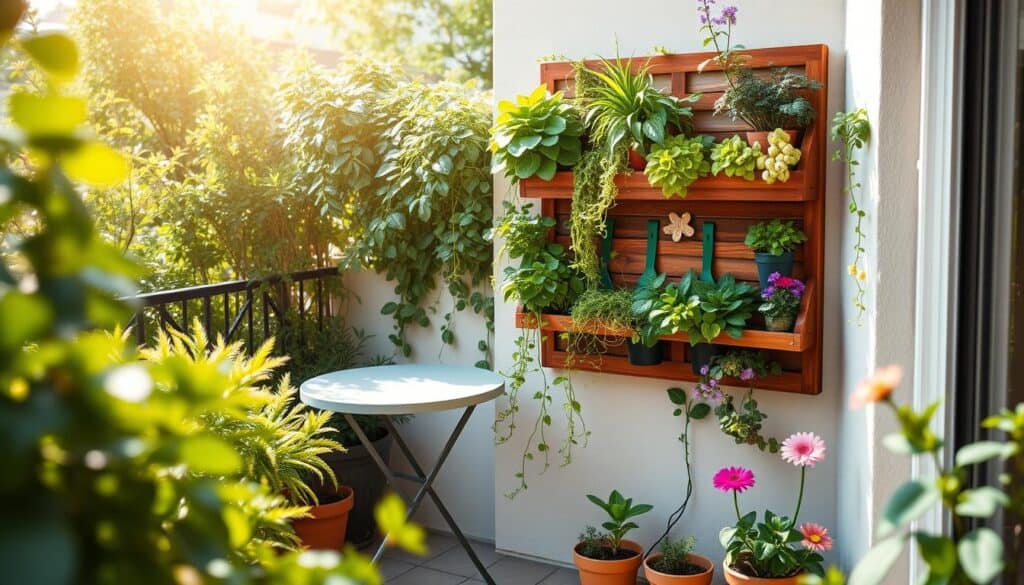
If you’re into advanced gardening, hydroponic living walls are a great choice. They’re perfect for growing herbs and leafy greens in nutrient-rich water. Ferns and peace lilies do well in these systems because they love constant moisture.
For a low-maintenance yet striking display, try a succulent wall display. These plants are tough and store water in their leaves, making them perfect for busy people. Here are some top picks for your succulent wall:
- Echeveria for beautiful rosette shapes
- Sedum for colorful, trailing textures
- Haworthia for unique, architectural interest
- Sempervivum for extreme durability
Matching plants to your environment is essential for success. Group plants with similar needs together for best results. This way, your green wall will be lush and enhance your outdoor space for years.
Implementing Efficient Irrigation and Drainage
Keeping your plants hydrated is key without harming your balcony. A smart plan is needed. Proper water management stops root rot and keeps your modular green walls alive. Without a plan, too much water can damage your patio or cause mold.
Protecting your home is essential. Invest in green building infrastructure. This includes living wall waterproofing membranes. They keep water out of your walls, preventing damage.
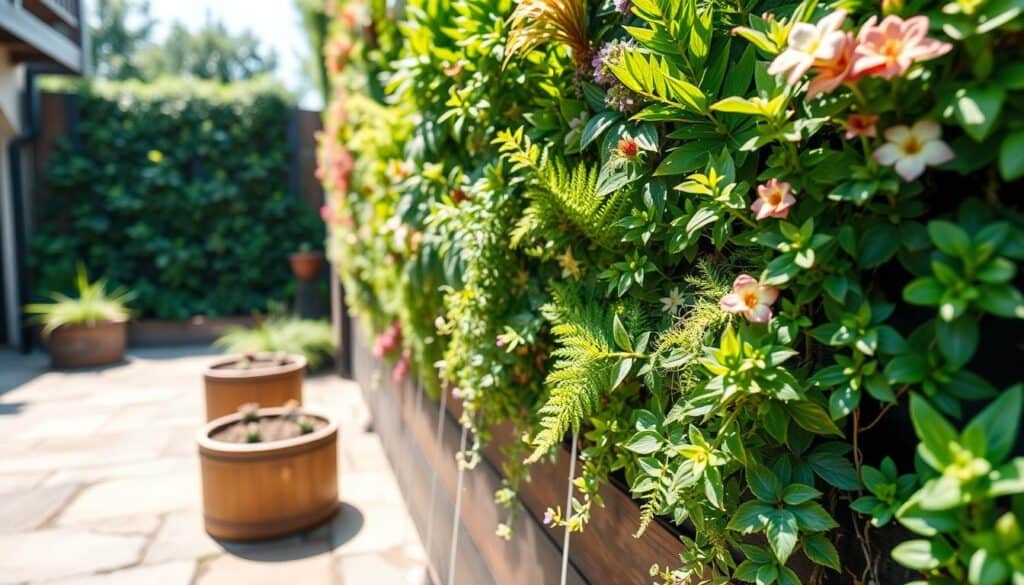
Good vertical garden structural engineering is vital. It makes sure your irrigation works right without harming the wall. You need to balance the soil’s weight with your mounting’s strength. A well-designed system keeps your garden stable all year.
Here are key parts for a good irrigation setup:
- Drip irrigation lines for steady moisture.
- A collection tray at the base for excess water.
- A timer for automatic watering to avoid too much water.
- High-quality drainage fabric to keep soil in while letting water out.
By paying attention to these details, you create a great space for your plants. A good drainage plan keeps your balcony clean and your garden looking good for years.
Structural Engineering and Load-Bearing Considerations
Building a green wall is more than just planting. It needs a strong engineering plan. Safety is key when adding a vertical structure to your patio or balcony. You must consider the weight of wet soil, containers, and plants.
When planning, focus on the strength of load-bearing plant walls. These walls must support the weight of your garden, even after rain. Make sure your wall material can hold the mounting hardware securely.
Choosing the right living wall framing systems is vital for stability. Good frames spread the weight evenly. Choosing a strong system stops sagging and protects your home.
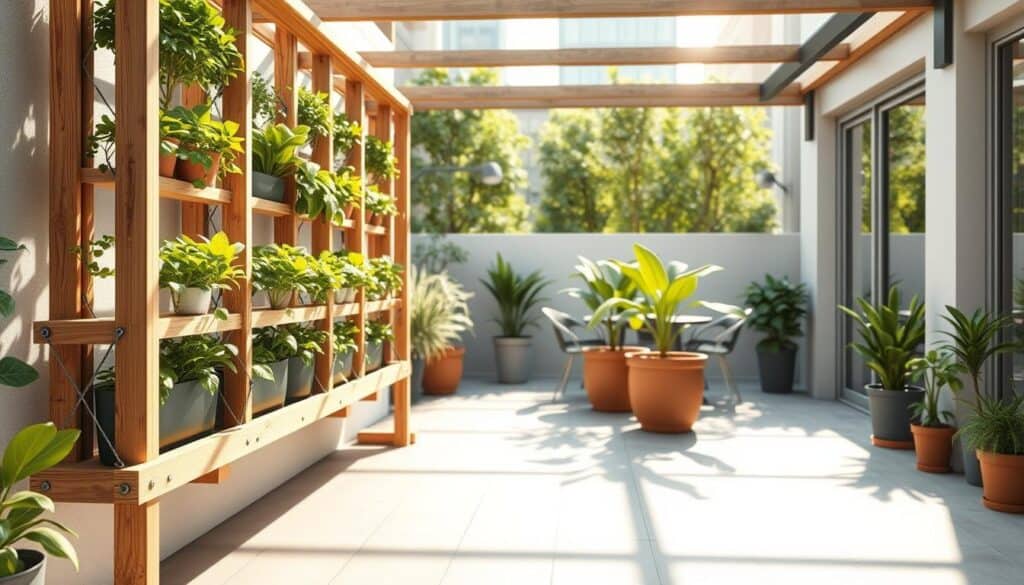
Proper vertical irrigation system design is also key. Water must be distributed well to avoid pooling. Good drainage keeps the structure dry and prevents extra weight.
Lastly, think about the facade greening construction to meet safety standards. A well-built wall gives you peace of mind. Regular checks of your mounting points will keep your garden safe for years.
Maintenance Tips for a Thriving Green Wall
Keeping a green wall thriving is all about smart maintenance. Spend a little time each week on your plants to keep them looking great. Regular care stops problems and keeps your space looking fresh.
Using automated fertigation systems can make your life easier. These systems give your plants the right water and nutrients at the right time. This helps them grow faster and makes watering less stressful.
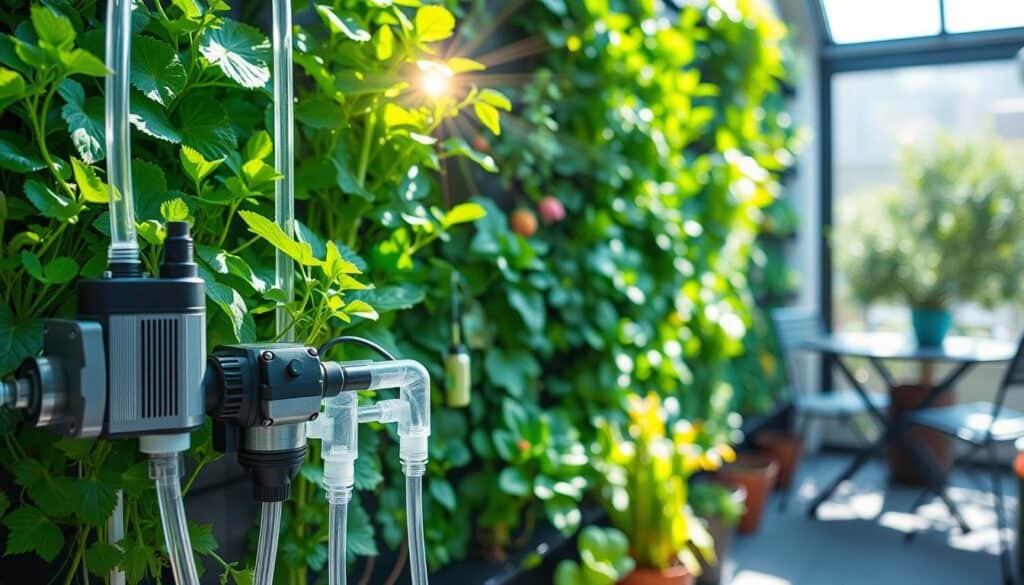
It’s also key to protect your wall from unwanted growth. Vertical garden root barriers keep roots in their place. This stops them from spreading and damaging your wall or irrigation lines.
Here are some important maintenance tasks to keep your garden in top shape:
- Regularly check your green wall moisture barriers to prevent water damage.
- Prune dead or yellow leaves to encourage new growth.
- Watch for pests or signs of nutrient lack in your plants.
- Clean your irrigation emitters to avoid clogs.
These practices are at the heart of biophilic architecture design. They create a self-sustaining environment that brings nature closer to you. A well-kept wall not only looks good but also improves your balcony’s air and atmosphere.
Creative Design Ideas for Small Balcony Spaces
Creating a green retreat on a small balcony needs creativity and smart urban agriculture construction. Even the tiniest balcony can turn into a lively oasis by using vertical space well. This way, a simple concrete slab becomes a lush, living area.
Adding eco-friendly building facades can make your home look better. These structures keep your home warm while adding beauty to your morning coffee spot. Many people say these vertical features make modern buildings look softer.
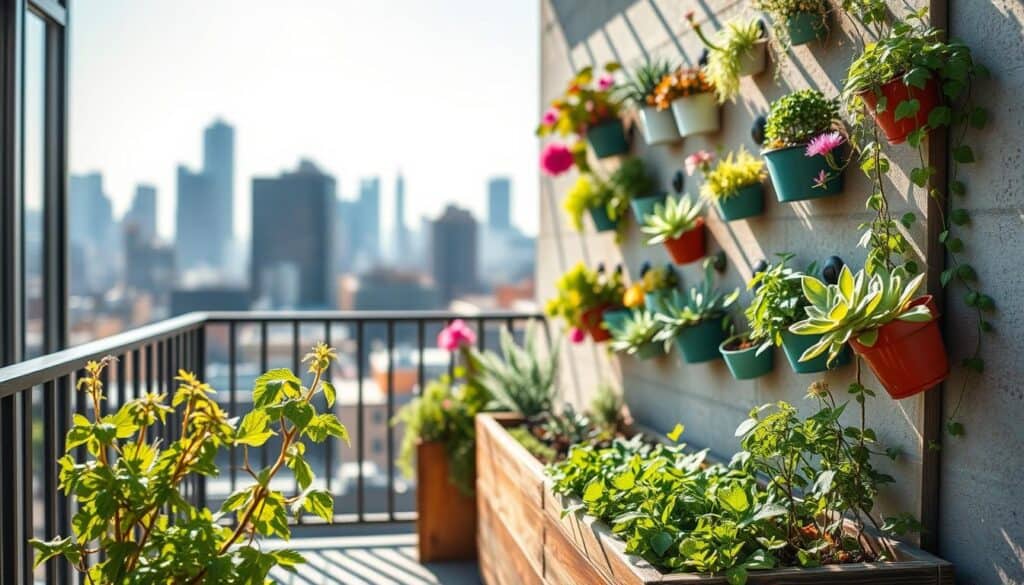
Choosing sustainable urban architecture is a great way to help the environment. You don’t need a big yard to grow herbs, flowers, or small veggies. These small designs show that nature can grow in any city with the right planning.
When picking your design, think about the difference between residential green walls and commercial living walls. While commercial systems have automated watering for big projects, home versions are great for DIY fans. You can pick from these popular styles:
- Modular Pocket Systems: Perfect for changing plant setups with the seasons.
- Trellis Climbing Frames: Great for plants that climb, making a natural screen.
- Wall-Mounted Planter Boxes: Ideal for a tiered herb garden that’s easy to reach.
- Hydroponic Vertical Towers: A smart choice for growing lots of veggies in little space.
Your balcony design should show your style and use sunlight well. By picking the right materials and plants, you make a useful space that helps you and the environment. Start small, try different textures, and watch your garden grow.
Conclusion
Turning a plain wall into a lush vertical garden is exciting. These systems cool your home and improve air quality. You can start small with affordable kits or build a custom frame for your balcony.
Choosing smart options like felt pockets or modular blocks makes installation easy. Use lightweight mediums to support plant growth safely. Adding drainage matting and drip lines helps keep plants watered without daily care.
For bigger projects, consider stainless steel trellis systems or wire mesh green facades. They support climbing plants and add beauty. For indoor spaces, living wall grow lights ensure plants thrive in low light.
Need professional help? Experts can guide you on leed certification green walls or complex hydroponic towers. They handle custom fabrication for large projects, understanding microclimate design and urban heat island mitigation.
Think about the long-term costs of your living wall. Reliable maintenance services keep your garden healthy all year. Whether you use composite planters or hire a specialist, you’re making your environment greener. Begin your green journey today and enjoy nature at home.