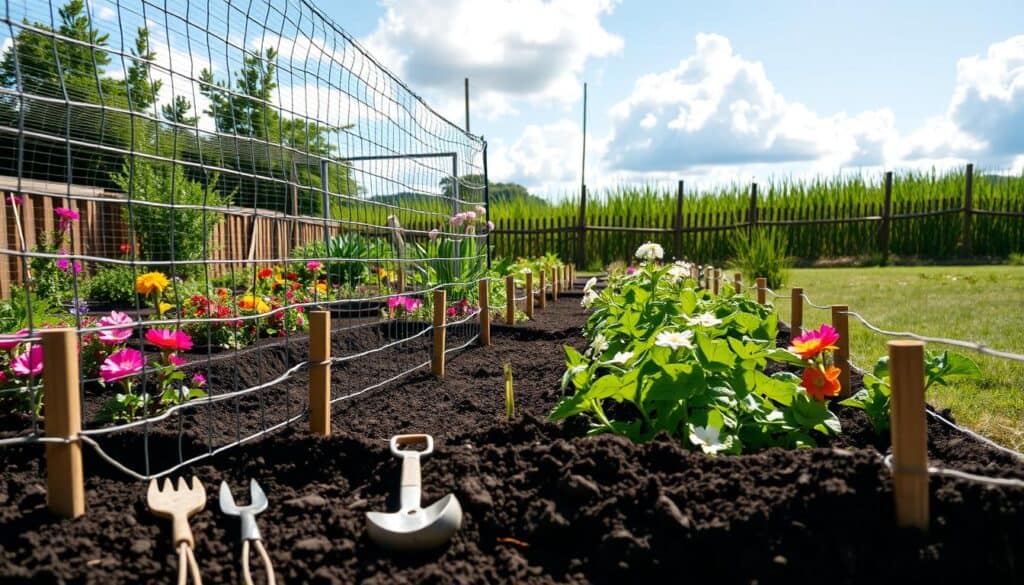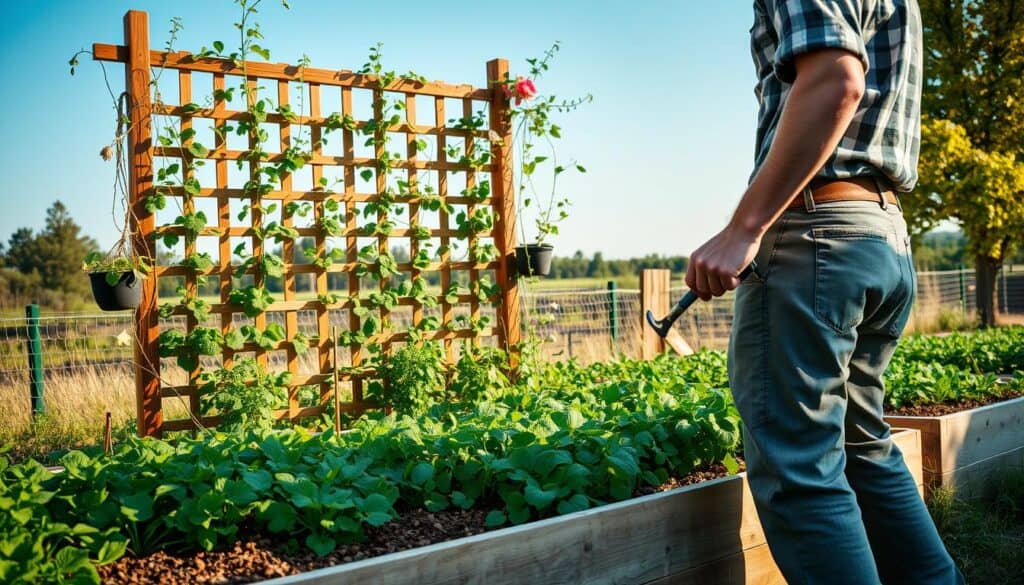
Even though I live in the South, I know when it gets colder in many parts of the country, many gardeners think they’re done until spring. But keeping the soil healthy during the cold months is key for a great garden.
Using certain plants helps shield your soil from bad weather and stops erosion. These plants keep your raised garden beds rich and fight off weeds naturally.
Choosing the right plants makes sure your garden stays active and full of nutrients. This easy step gets your soil ready for a successful growing season. It makes gardening a lot easier.
Visit The Marketplace or grab your Free Garden Starter Kit
Why Winter Cover Crops are Essential for Raised Bed Gardening
Winter cover crops act as a natural shield for your soil. In many ways they keep your soil alive. They offer many cover crop benefits for gardeners. In raised bed gardening, the soil is more exposed to the elements. Planting these crops creates a protective layer that prevents erosion and keeps your garden productive even when it’s cold.
Adding these plants is a key winter gardening tip for keeping your soil fertile. These winter cover crops act as a living mulch. They prevent nutrients from washing away during heavy rain or snow. This simple step keeps your soil rich and ready for spring vegetables.

Using winter cover crops for raised garden beds is a smart move for home growers. This method of raised bed winter gardening keeps soil temperatures consistent. It protects the beneficial microorganisms that are vital for healthy plant growth.
These plants also work hard to suppress weeds in garden beds before they start. This saves you a lot of work when spring comes. In the end, these crops are the best way to improve soil in raised beds over winter. They ensure your garden thrives year after year. Using winter cover crops for raised garden beds is a win, win situation.
The Best Cover Crops to Plant in a Raised Bed Over Winter
To keep your garden active all year, pick the right cover crops for a raised bed over winter. These plants protect your soil from erosion and nutrient loss. They keep your garden ready for spring.
When looking for top cover crops for raised beds, think about your climate. Some plants die with the first frost, while others stay green. Knowing this helps you choose the best for your soil needs.

Raised bed cover crops have a big plus: they warm up faster. This lets you try more overwintering cover crops than in regular gardens. Here are some key types to consider:
- Legumes: Great for adding nitrogen and improving soil.
- Grasses: Good for making soil richer and more structured.
- Brassicas: Best for loosening tight soil with their deep roots.
The best winter cover crops depend on your local climate and gardening style. Whether you want easy-to-terminate plants or those that grow a lot, there’s a good choice for you. By using these best cover crops for raised beds, you make your garden sustainable and productive all year.
Nitrogen-Fixing Legumes for Soil Enrichment
Legumes are nature’s gift for making natural fertilizer for raised beds. They help you skip synthetic chemicals and boost your garden’s soil health.

Many gardeners use crimson clover cover crop to get their soil ready for the next season. The hairy vetch winter cover crop is also a top pick, thanks to its toughness in cold weather.
Field peas in raised beds are another smart choice. They work tirelessly to fix nitrogen in raised bed settings. This makes your soil rich in nutrients by springtime.
These plants are both nitrogen fixers and biomass builders. They team up with soil bacteria to turn air nitrogen into a form plants can use. This creates a cycle of growth and decay.
- Increased soil fertility without synthetic inputs.
- Improved soil structure through organic matter.
- Enhanced microbial activity in the root zone.
- Sustainable nutrient management for spring planting.
Grasses and Grains for Soil Structure and Erosion Control
Grasses and grains are key to a healthy soil structure in raised beds. They work hard to prevent soil erosion in winter. This is important when your garden faces harsh winds and heavy rain.
They create a dense root network. This keeps your soil in place until spring comes.
Planting oats for winter is a great choice for many gardeners. Oats grow fast in the fall. They add a lot of organic matter to your beds.
They are easy to manage because they die off in cold weather. This makes them simple to mix into the soil when it warms up.
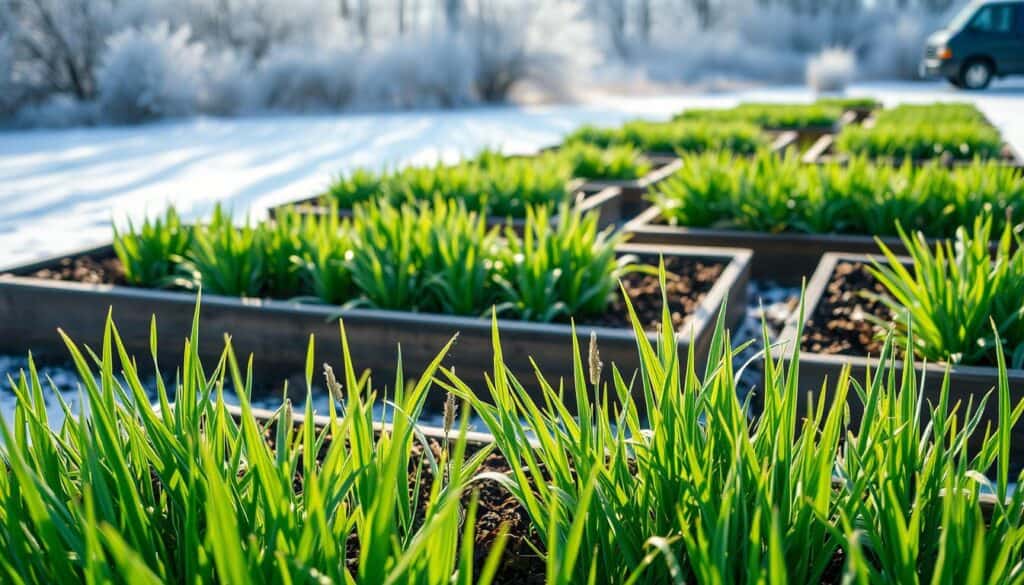
Winter rye in raised beds is perfect for areas with very cold temperatures. It can handle even the coldest freezes. Its roots help break up compacted soil, keeping your beds loose and full of air.
Winter wheat cover beds are also great for keeping soil stable. It creates a thick layer that protects the soil from the weather. Using these plants keeps your garden productive and healthy all year.
Deep-Rooted Radishes for Soil Aeration
Gardeners often face the challenge of compacted soil. But, a daikon radish cover crop can naturally solve this problem. These plants work deep in your raised beds, acting as biological tillers. They help improve your garden’s health without the need for heavy tools.

The main benefit of these radishes is their long, thick taproot. This root breaks through dense soil, creating paths for air and water. Your soil becomes more open and ready to support future plants.
In spring, the radishes break down, leaving behind large channels in the soil. This keeps your soil loose and fertile all season. Adding a daikon radish cover crop to your winter routine offers many benefits for your raised beds:
- Natural aeration that reaches deep into the root zone.
- Improved drainage to prevent waterlogging during heavy rains.
- Enhanced soil structure for better nutrient absorption.
- Biological tilling that saves you time and physical labor.
Strategic Cover Crop Mixes for Maximum Benefits
Creating the best cover crop seed mixes is a smart move for your garden. Mixing different plants meets various soil needs at once. This method helps you build soil biomass naturally and gets your garden ready for spring.
The oats and peas cover crop mix is a favorite. Oats grow fast to add organic matter, while peas fix nitrogen. Together, they give your garden structure and nutrients.
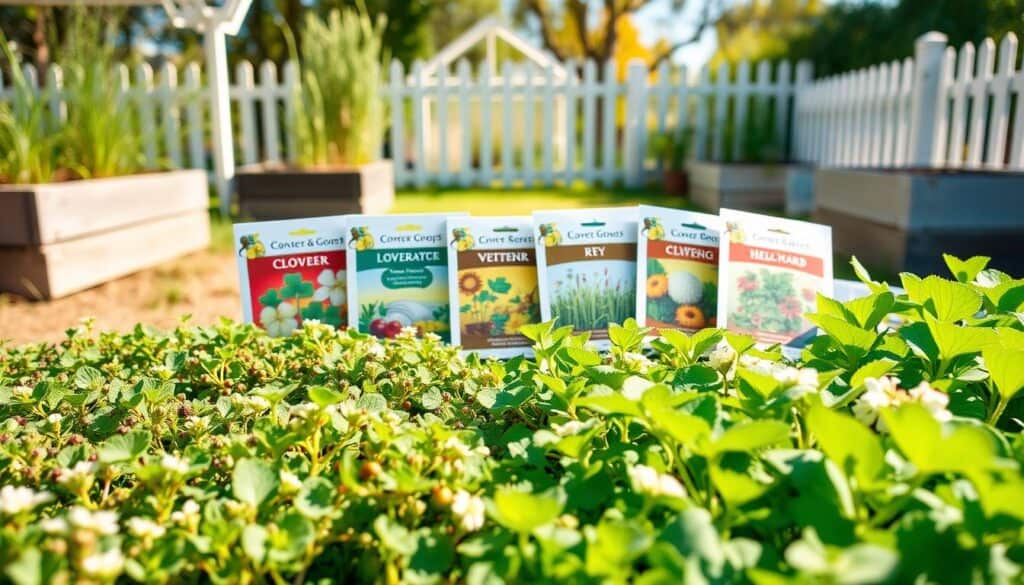
Using a clover and ryegrass mix is also smart. It fights weeds and stops soil erosion during winter rains. The grass and clover work together to make a living mulch.
These mixes are great for cover crops in small garden beds. In tight spaces, every inch counts. The right mix keeps your soil fertile for your favorite veggies when it’s warmer.
When and How to Plant Your Winter Cover Crops
Planting winter cover crops needs careful planning and precise steps. It’s important to know when to plant winter cover crops to ensure they grow well before the ground freezes. If you wait too long, the seeds might not grow, leaving your soil open to erosion.
Using winter gardening techniques makes planting cover crops easy for anyone. When planting cover crops in raised beds, make sure the surface is smooth and free of debris. Evenly spread the seeds to help your garden grow evenly.

Here are the key steps for planting cover crops successfully:
- Clear away any remaining vegetable debris from the soil surface.
- Broadcast your seeds evenly across the bed to avoid overcrowding.
- Lightly rake the seeds into the top half-inch of soil to ensure good seed-to-soil contact.
- Water the area gently to keep the soil moist during the initial germination phase.
Choosing the right fall cover crops for winter depends on your local climate and the first frost date. By tracking your local weather, you can find the best time to seed cover crops for the best soil protection. Consistent moisture in the first two weeks is key for a lush, healthy cover that will enrich your soil until spring.
Managing and Terminating Cover Crops in the Spring
Successfully managing cover crops in spring is key for a great garden season. You must act before they set seed. This prevents them from competing with your main crops for water and nutrients. Timing is critical when getting your beds ready for the growing season.
For home gardeners, terminating cover crops no-till is a top method. This means cutting the plants down at the soil line, not pulling them out. Leaving the residue on top acts as a natural mulch. It protects the soil from the sun and heavy spring rains.

This method is vital for no-till raised bed gardening. It keeps the soil structure intact and preserves beneficial fungal networks. These networks help your soil stay healthy and ready for new seedlings.
As the residue breaks down, it acts as a slow-release fertilizer. This natural process ensures nutrients return to the soil when your vegetables need them most. By following these steps, you can create a strong and vibrant garden environment.
Common Mistakes to Avoid When Winterizing Raised Beds
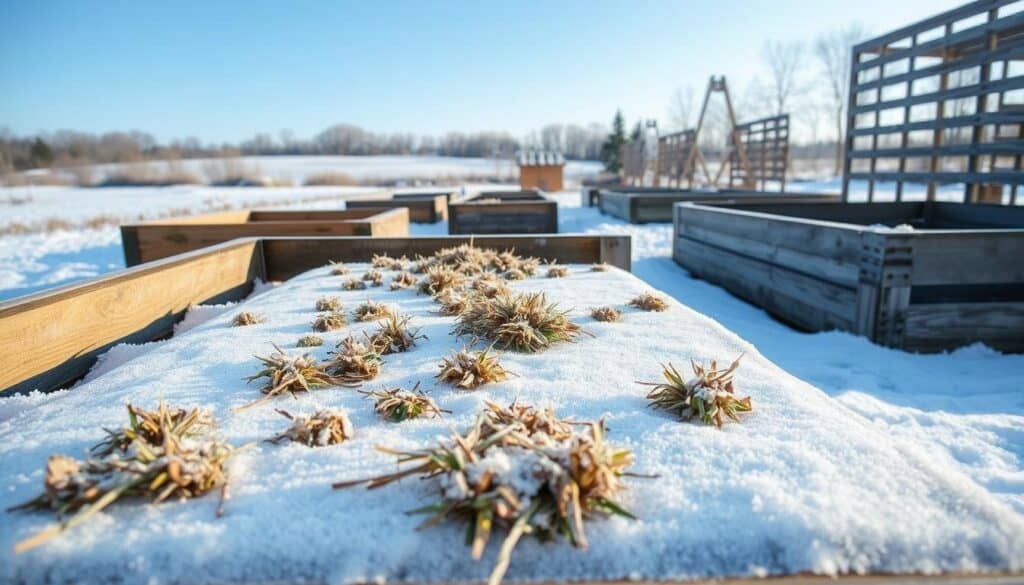
When you winterize raised garden beds, it’s not just about removing old plants. Many gardeners forget to keep the soil covered after harvest. This can cause a big loss of nutrients and soil erosion from winter winds and rains.
To keep your soil in good shape, pick the right plants. Choosing the right winter kill cover crops for raised beds is a smart move. These crops die back naturally when it gets cold, saving you from hard removal or tilling in spring.
Some gardeners treat all winter plants the same. But growing microgreens in winter beds needs a different approach than cover crops. If you treat these greens like cover crops, they won’t do well.
By avoiding these mistakes, your garden stays in top shape all season. Follow these tips to protect your garden and get ready for a great growing year:
- Always keep the soil covered to prevent erosion.
- Select cover crops that match your local climate.
- Distinguish between soil-building crops and edible winter greens.
- Monitor moisture levels even during the colder months.
Conclusion
Building a strong garden begins with smart choices during the quiet months. Using cover crops in your raised beds makes this time active and beneficial for your soil.
These crops protect your soil from harsh winter weather. This simple step lays the groundwork for lush growth when spring comes.
Brands like Johnny’s Selected Seeds have great options to start with. Try different types to find what works best for your area and soil.
Healthy soil is a gardener’s greatest treasure. By using these green methods, you’ll enjoy bountiful harvests for many years.
Don’t forget to share your garden’s journey with others. Tell us which cover crops thrived in your raised beds this season.